 Admin
Admin Comparison of Packaging Machine Types (Liquid – Powder – Chips): Which One Is Best for Your Factory?
The right packaging machine can transform your factory’s productivity, profitability, and market expansion potential.
Choosing the correct filling technology directly impacts production speed, operational costs, product quality, and export readiness.
If you're planning a liquid, powder, or chips/snack manufacturing facility, understanding the differences between these systems gives you a powerful investment advantage.
Let’s break down the comparison clearly so you can select the most profitable and scalable solution for your production line.
What Are the Three Main Types of Packaging Machines?
1. Liquid Filling Machines
4
Liquid filling machines are engineered to handle:
-
Water
-
Juices
-
Edible oils
-
Detergents
-
Viscous liquids
These machines typically use PLC-controlled systems with adjustable pumps to ensure high precision and minimal product loss. They are ideal for factories targeting export markets that demand consistent weight accuracy and premium packaging quality.
2. Powder Filling Machines
4
Powder filling machines are designed for:
-
Flour
-
Spices
-
Powder detergents
-
Food and chemical powders
They rely on auger or rotary dosing systems to manage fine particles efficiently while minimizing clumping and waste. These machines are essential for maintaining consistency in powdered product packaging.
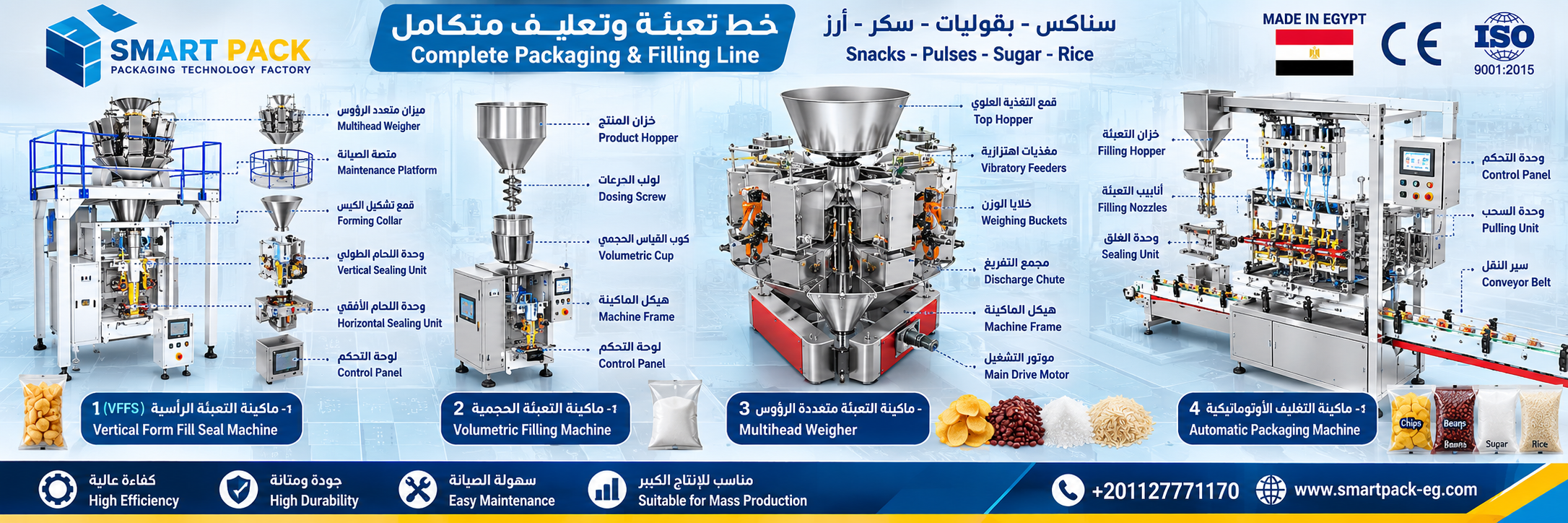
3. Chips / Granule Packaging Machines
4
Granule and snack packaging machines are suitable for:
-
Potato chips
-
Nuts
-
Grains
-
Light snacks
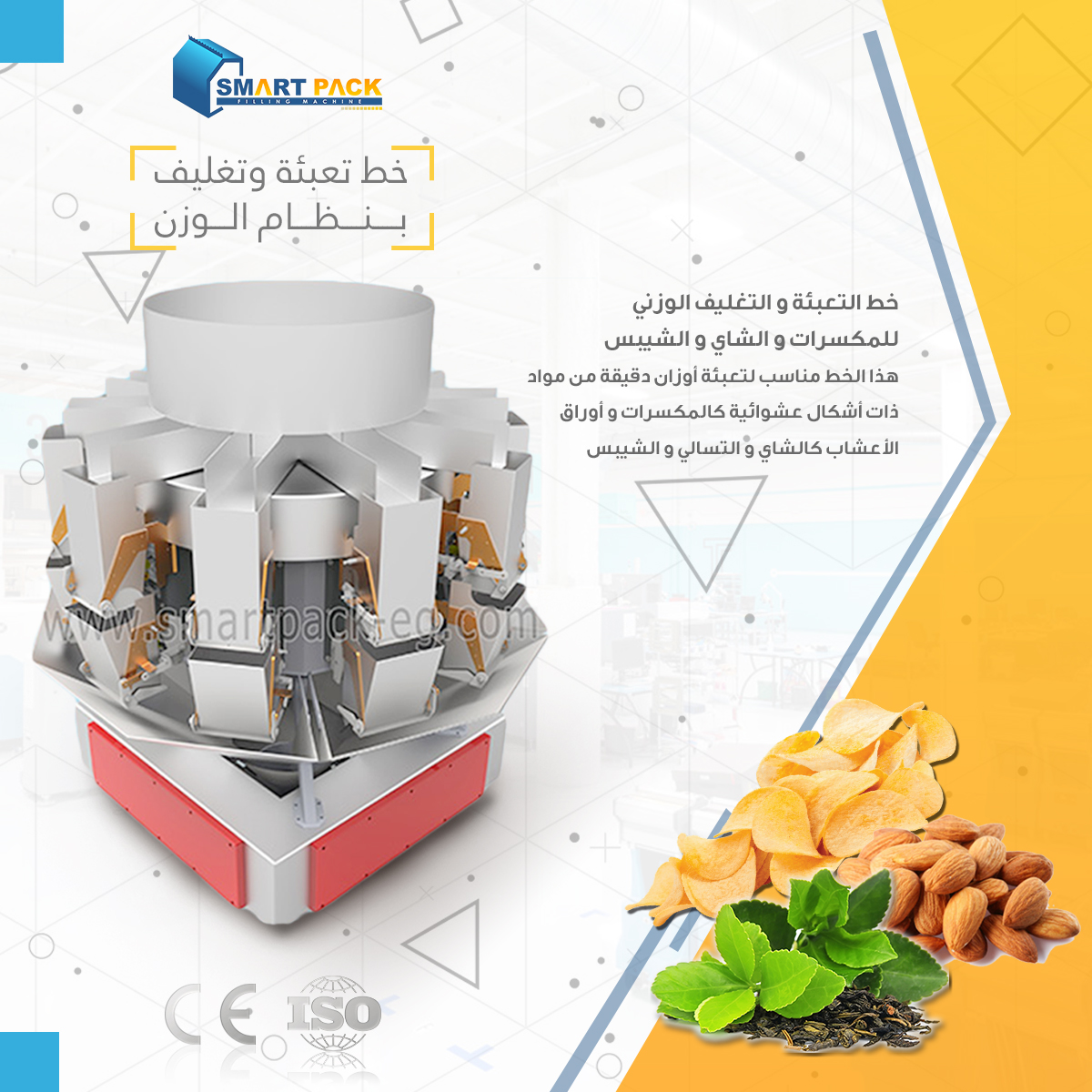
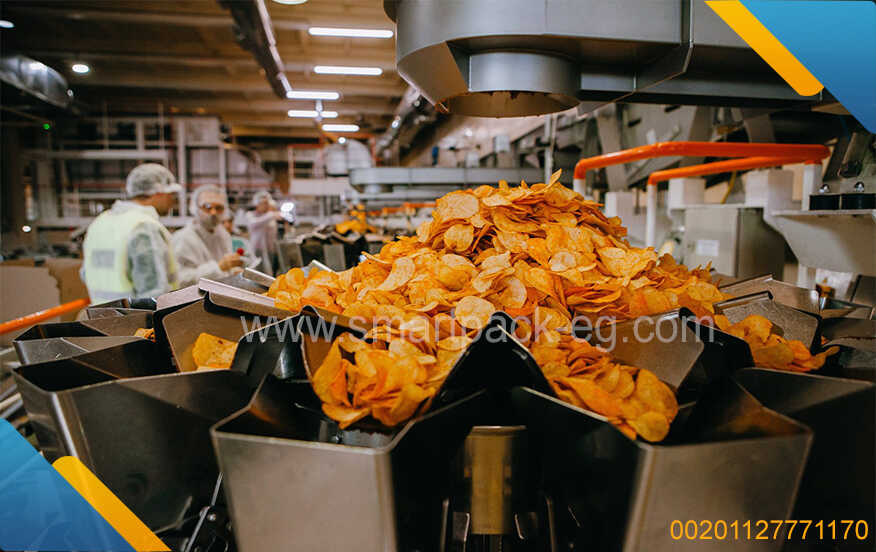
These systems often use multi-head weighers or vibration scales to ensure accuracy while protecting fragile products from breakage.
Performance and Suitability Comparison
Technical Comparison Table
| Factor | Liquid Filling Machines | Powder Filling Machines | Chips / Granule Machines |
|---|---|---|---|
| Product Type | Liquids & solvents | Fine powders | Chips, nuts, granules |
| Accuracy | High (PLC + adjustable pumps) | Medium to High (Auger/Rotary) | Good (Multi-head/Vibration scales) |
| Speed | 30–90 packs/min | 20–70 packs/min | 25–80 packs/min |
| Operational Complexity | Medium (programmable flow control) | Medium (sensitive powder flow) | Medium to High (fragile handling) |
| Potential Waste | Low with proper calibration | Medium | Medium to High (fragile products) |
| Cleaning & Maintenance | Relatively easy | Requires careful cleaning | Special cleaning to prevent breakage |
| Estimated Factory Cost | Medium to High | Medium | Medium to High |
| Scalability | Excellent | Very Good | Excellent |
| Export Readiness | High | Good | High |
Which Production Line Is Right for Your Project?
Liquid Production Line – Best When
4
Choose this option if:
-
Your product is liquid or semi-viscous
-
You produce multiple bottle sizes
-
You require high filling precision
-
You target premium or export markets
Ideal for detergent factories, beverage manufacturers, edible oil plants, and industrial liquid producers.
Powder Production Line – Best When
4
Best suited if:
-
Your products vary in powder density
-
You need accurate dosing with minimal clumping
-
You require specialized powder handling systems
Perfect for flour mills, spice factories, powder detergent plants, and nutritional supplement manufacturers.
Chips / Granule Production Line – Best When
4
Recommended if:
-
You package fragile snacks or irregular granules
-
You need high-speed automated packaging
-
Visual product presentation is crucial for retail success
Ideal for snack factories, nuts processing plants, roasted grain producers, and export-oriented food brands.
How Packaging Machine Type Impacts Operating Costs
Estimated Operational Cost Overview
| Cost Element | Liquids | Powder | Chips / Granules |
|---|---|---|---|
| Annual Maintenance | Medium | Medium | Medium to High |
| Labor Cost | Low | Medium | Medium |
| Product Waste | Low | Medium | Medium |
| Cleaning Costs | Medium | High | High |
Liquid filling lines typically reduce waste when calibrated correctly. Powder and snack systems require closer attention to conveyors, dosing systems, and cleaning protocols to maintain efficiency.
Smart Tips for Choosing the Right Packaging Machine
-
Clearly define your product characteristics: liquid, powder, or snack.
-
Calculate required production capacity: units per hour and future expansion plans.
-
Estimate annual operating budget including energy, labor, and maintenance.
-
Choose a reliable industrial supplier with proven after-sales support.
Smart Buying Strategy for Packaging & Production Lines from Smart Pack
When selecting industrial packaging machinery:
-
Conduct a precise product analysis
-
Match the machine type to product behavior
-
Ensure heavy-duty industrial construction
-
Confirm spare parts availability
-
Partner with Smart Pack’s expertise in supplying specialized packaging solutions for liquids, powders, and snacks
Investing in the right packaging system is not just a technical decision — it is a strategic move that determines factory efficiency, market competitiveness, and long-term profitability.
Frequently Asked Questions About Packaging Machine Types
What is the main difference between liquid and powder filling machines?
Liquid systems use pumps and flow control technology, while powder machines rely on auger or rotary dosing mechanisms to prevent clumping.
Which type requires more cleaning?
Powder and chips packaging machines typically require more frequent cleaning due to residue buildup.
Which production line offers higher speed?
High-speed automatic liquid and snack packaging lines can achieve very high output depending on configuration.
Can one factory operate multiple machine types?
Yes. Many factories combine liquid, powder, and snack packaging lines when producing diversified products.
What is the best option for starting a new factory?
A mid-capacity automatic line tailored to your core product is usually the most balanced and scalable starting point.
Selecting the right packaging machine type — liquid, powder, or chips — depends on your product nature, production capacity, and industrial budget. Making the correct investment decision enhances efficiency, reduces operational costs, and positions your packaging factory for strong growth and export success.