 Admin
Admin Manual Filling or Automatic Packaging Machines?
The Critical Decision That Determines Your Factory Speed, Costs, and Profitability
Every factory faces a defining moment that shapes its industrial future.
Either continue with slow, labor-dependent manual operations… or upgrade to automatic filling and packaging machines and integrated production lines that boost output, cut costs, and unlock expansion.
The difference isn’t just operational comfort — it’s measured in monthly profits, market share, and your ability to compete locally and internationally.
The choice you make today between manual filling and industrial automation could mean doubling production… or losing your competitive edge.
What Is Manual Filling in Packaging Factories?
4
Manual filling definition
Manual filling relies mainly on human labor for:
• Filling containers
• Weighing products by hand
• Closing lids or sealing bags
• Labeling and packing manually
It is commonly used in:
• Home-based projects
• Small workshops
• Very limited production setups
Main challenges
• Very slow production speed
• Inconsistent weights and volumes
• Frequent human errors
• High labor costs
• Difficult scaling or exporting
Manual systems quickly become a bottleneck once demand grows.
What Are Automatic Filling & Packaging Machines?
4
Automatic packaging concept
Automatic systems use integrated production lines and programmed machinery to perform all processes sequentially:
• Filling
• Sealing
• Wrapping
• Labeling
• Cartoning
All at high speed and precision with minimal human intervention.
These systems are the backbone of:
• Food factories
• Detergent plants
• Liquid and oil processing plants
• Powder and granule production facilities
Simply put: automation transforms packaging into a fast, continuous, and reliable industrial process.
Direct Comparison: Manual vs Semi-Automatic vs Fully Automatic
Detailed comparison for packaging factories
Factor | Manual Filling | Semi-Automatic | Fully Automatic Lines
Production speed | Very slow, labor dependent | Medium | Very high, 24/7 continuous
Daily capacity | Very limited | Medium | Massive, export-ready
Accuracy | Inconsistent | Good | Extremely precise
Labor cost | Very high | Medium | Very low
Material waste | High | Medium | Very low
Scalability | Difficult | Possible | Easy and fast
Long-term profit | Limited | Good | Very high and stable
Best for | Tiny projects | Medium plants | Professional factories
How Does Your Filling Method Affect Profitability?
4
1. From a production perspective
• Manual: 10–15 packs/min
• Automatic: 80–150+ packs/min
Up to 10× more output in the same time.
2. From a cost perspective
Manual means:
• More salaries
• More mistakes
• More waste
Automatic machines significantly reduce cost per unit.
3. From a quality perspective
• Manual = inconsistent weights and appearance
• Automatic = consistent, professional finish
Better quality means:
• Faster market acceptance
• Easier exports
• Higher customer satisfaction
When Is Manual Filling Actually Suitable?
4
Only in limited situations
• Very small startups
• Trial or pilot production
• Extremely low volumes
• Very tight budgets
But once demand increases, manual work quickly becomes a growth barrier.
When Do You Need Automatic Production Lines Immediately?
4
Clear signs it’s time to automate
• Increasing monthly demand
• Rising labor costs
• Customer complaints about inconsistency
• Plans to expand or export
• Need for continuous, high-speed production
If these apply to your factory, automation is no longer optional — it’s essential.
Real Cost & ROI Example
Sample calculation for a mid-sized factory
Item | Manual | Automatic Line
Monthly output | 120,000 units | 450,000 units
Labor cost | $16,000 | $6,000
Material waste | $5,000 | $1,200
Net profit | $10,000 | $38,000
Growth speed | Slow | Very fast
The profit difference alone justifies investing in modern packaging equipment.
Smart Tips for Choosing Filling & Packaging Lines
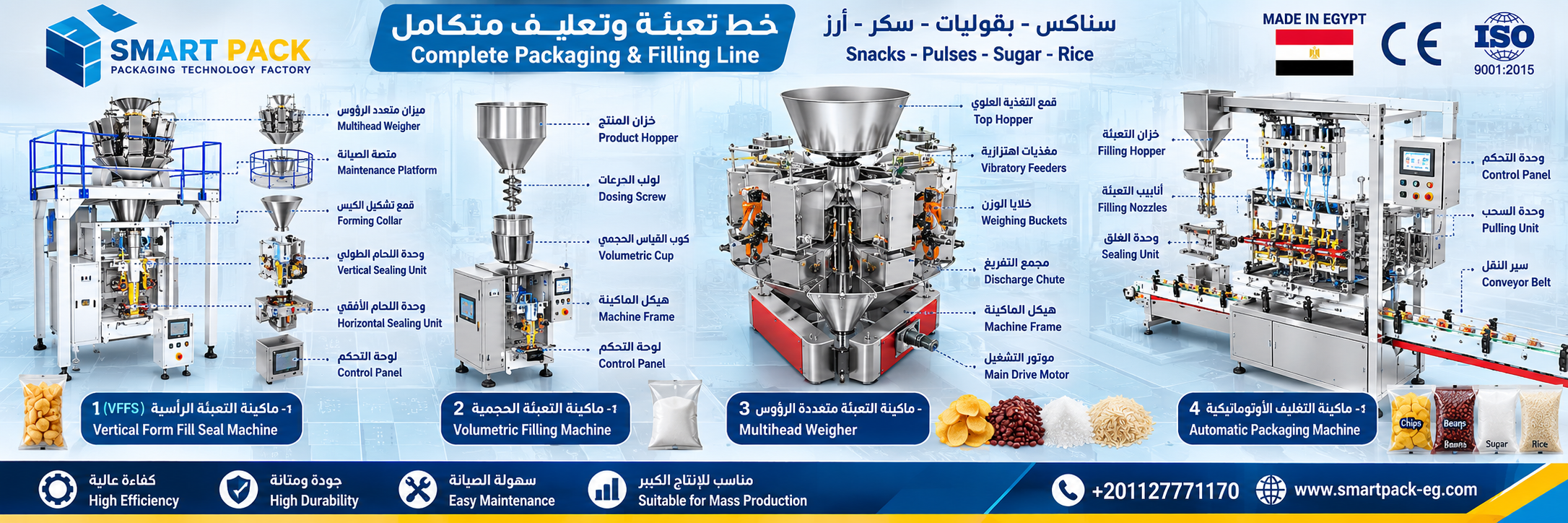
• Buy a complete integrated line instead of separate machines
• Select machines based on product type (liquids, viscous detergents, powders, etc.)
• Ensure warranty and fast maintenance support
• Focus on heavy-duty industrial quality
• Work with experienced suppliers like Smart Pack for turnkey solutions
The right supplier reduces downtime and accelerates ROI.
Frequently Asked Questions
Is manual filling cheaper than automation?
Initially yes, but long term it’s more expensive due to labor and waste.
Are automatic lines suitable for medium factories?
Absolutely — they’re the best way to increase output and reduce costs.
When do I need specialized detergent filling machines?
For viscous or foamy liquids that require precision control.
Does automation reduce errors?
Yes, programming eliminates human variability.
What’s the best investment for higher profitability?
High-efficiency automatic filling and packaging lines.