 Admin
Admin Industrial Filling & Packaging Machines
Your Complete Guide to Choosing the Right Production Line and Increasing Factory Profitability
Modern manufacturing has changed dramatically. Manual labor and slow traditional methods are no longer competitive.
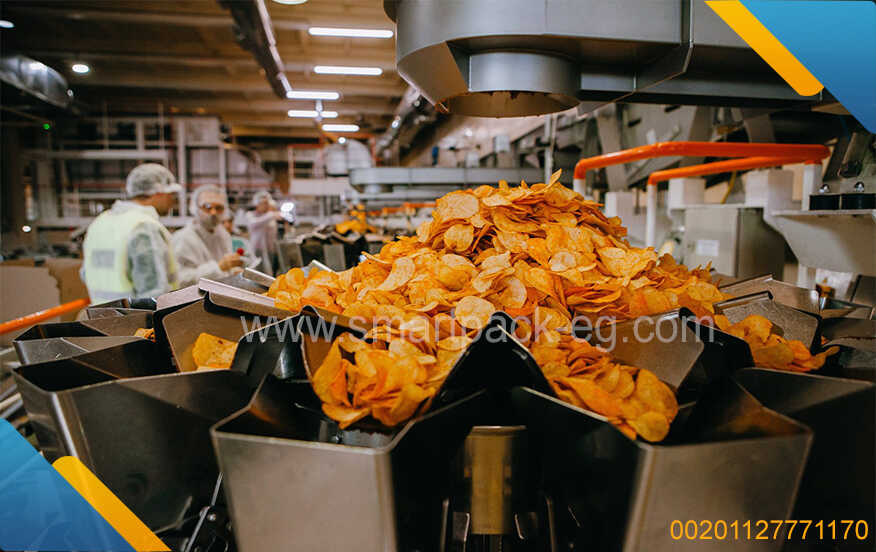
Factories that invest in automatic filling and packaging machines achieve faster output, lower costs, and significantly higher profit margins.
Choosing the right machine for your plant is not just a technical decision — it’s a strategic investment that determines your competitiveness in local and export markets for years to come.
Whether you operate in food, detergents, chemicals, pharmaceuticals, or liquid products, selecting the correct production line can transform your factory into a high-efficiency, high-profit operation.
What Are Industrial Filling & Packaging Machines?
4
Complete Definition for Modern Industry
Industrial filling and packaging machines are integrated systems of automated equipment designed to:
• Fill products with high precision at high speed
• Reduce raw material loss and waste
• Improve package appearance and commercial quality
• Prepare products for storage, shipping, and export
These machines are widely used in:
• Food factories
• Detergent and chemical plants
• Pharmaceutical facilities
• Oil and liquid production plants
• Powder and dry product factories
Simply put:
Every professionally packed product you see on the shelf has passed through a filling and packaging line.
Why Do Packaging Factories Need Automatic Production Lines?
4
Manual vs. Automatic Operations
• Manual work = slow + errors + waste
• Automation = speed + precision + stability + higher profits
Key Industrial Benefits
• Multiply daily production capacity
• Reduce labor costs and staffing needs
• Consistent fill weight and volume accuracy
• Fewer returns and customer complaints
• Better compliance with export standards
This is why large factories rely almost entirely on automated lines.
Types of Industrial Filling & Packaging Machines and Their Uses
4
Classified by Product Type
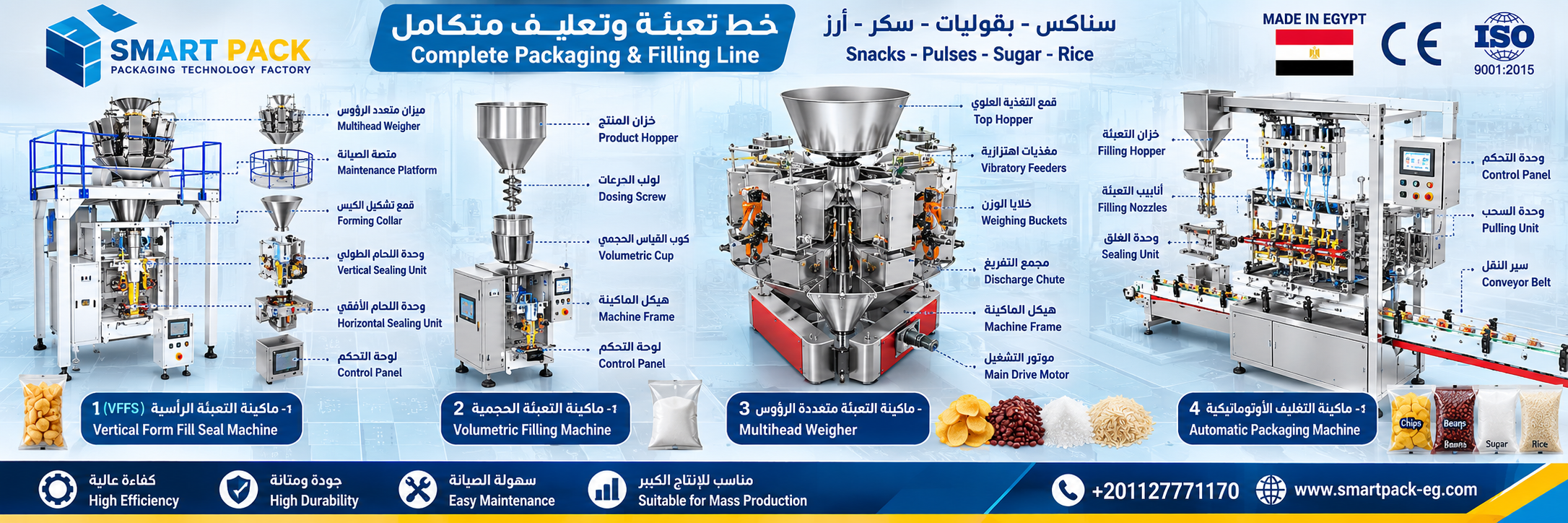
Liquid Filling Machines
Ideal for water, juices, oils, detergents, shampoo, and liquid soap.
Powder Filling Machines
Used for flour, spices, coffee, and powdered detergents.
Granule Filling Machines
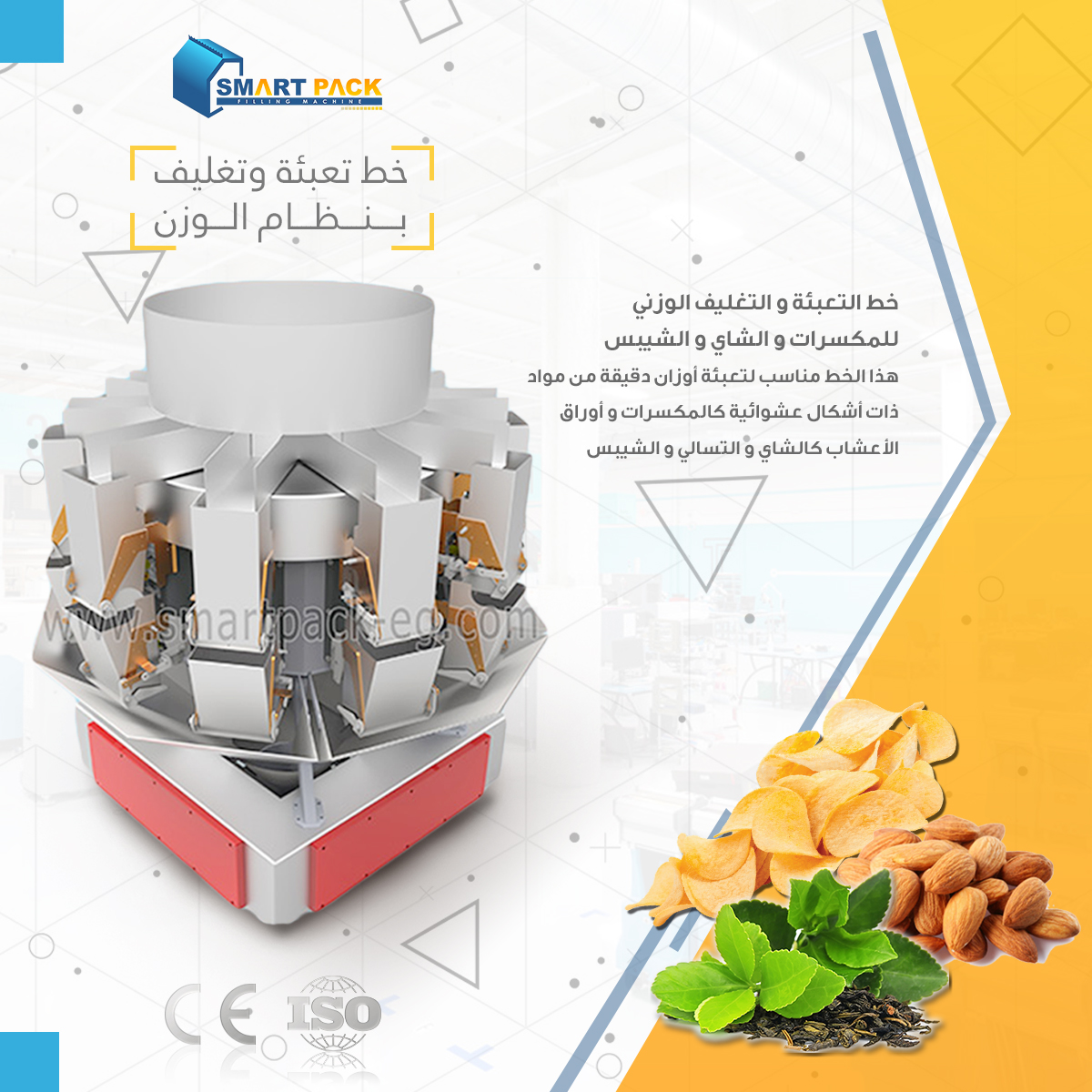
Suitable for rice, sugar, beans, seeds, and nuts.
Bag Forming & Packaging Machines
For flexible pouches, sachets, and stand-up bags.
Integrated Production Lines
Complete systems including filling, sealing, labeling, wrapping, cartoning, and palletizing.
How to Choose the Right Machine Step by Step
4
Step 1 – Define Your Product
• Liquid, viscous, powder, or solid
• Package size
• Packaging type
Step 2 – Calculate Required Capacity
• Units per hour
• Shifts per day
• Future expansion plans
Step 3 – Select Automation Level
• Semi-automatic for startups
• Fully automatic for medium plants
• High-speed integrated lines for large factories
Step 4 – Estimate Operating Costs
• Electricity
• Maintenance
• Spare parts
• Labor
Step 5 – Choose a Reliable Supplier
• Experience
• After-sales service
• Training
• Long warranty
Comparison Table – Filling & Packaging Line Types
Factor | Semi-Automatic | Automatic | High-Speed Integrated Lines
Suitable for | Small startups | Medium factories | Large/export plants
Production speed | Low | Medium–High | Very high
Labor required | High | Medium | Very low
Accuracy | Medium | High | Very high
Investment cost | Low | Medium | Higher but best ROI
Long-term profitability | Limited | Good | Very high and stable
Packaging Industry Market Study & ROI Potential
4
Market Trends
• Continuous annual growth in packaged goods demand
• Expansion of retail chains and supermarkets
• Increasing export opportunities
• Rising need for professional packaging quality
Estimated Cost & Profit Model for a Medium Factory
Item | Estimated Value
Production line investment | $120,000 – $200,000
Monthly operating costs | $50,000 – $70,000
Average monthly sales | $90,000 – $120,000
Potential monthly profit | $30,000 – $45,000
Payback period | 12–18 months
These numbers clearly show that modern packaging equipment offers relatively fast capital recovery compared to most industrial investments.
Smart Buying Tips for Filling & Packaging Lines
• Choose complete production lines instead of separate machines
• Request live testing before acceptance
• Ensure local spare parts availability
• Prefer food-grade stainless steel construction
• Work with experienced suppliers like Smart Pack for integrated solutions
Reliable partners reduce breakdowns and maximize productivity from day one.
Frequently Asked Questions
What is the best choice for new factories?
Medium-speed automatic machines offer the best balance between cost and productivity.
When do I need a specialized detergent filling machine?
For viscous or foamy liquids requiring anti-leak and anti-foam systems.
Do automated lines reduce labor?
Yes, significantly — while increasing output.
How do I determine the right equipment?
Based on product type, production capacity, budget, and expansion plans.
Is investing in modern filling machines really profitable?
In most cases, yes — higher margins and faster ROI are almost guaranteed.