 Admin
Admin Choose the Perfect Filling Machine Today
Boost Your Factory Profits with Faster Production Lines and Lower Costs
Upgrade smarter. Produce faster. Earn more.
The right filling and packaging equipment can dramatically cut operating costs, increase output, and deliver a faster return on investment.
This professional industrial guide helps packaging factories select the best filling machines and production lines based on capacity, budget, and long-term profitability.
Today’s market no longer tolerates slow factories or outdated equipment. Every minute of downtime means lost profit and missed export opportunities. Choosing the correct filling and packaging machine today could be the decision that doubles your factory’s profits for years to come.
If you own a factory, invest in manufacturing, or plan to expand into food, chemicals, detergents, or liquid products, this guide provides a clear step-by-step roadmap to selecting the ideal filling solution and achieving stable, fast ROI.
How to Choose the Ideal Filling Machine Step by Step
4
1. Why the Right Filling & Packaging Machines Determine Factory Success
• Increase daily production speed by up to 200%
• Reduce raw material waste
• Minimize manual labor and human error
• Improve packaging quality and shelf appeal
• Simplify export compliance and international standards
The simple truth:
Professional filling equipment = higher profits + lower costs + long-term operational stability.
2. Identify Your Product Type First
Before buying any machine, define exactly what you will fill.
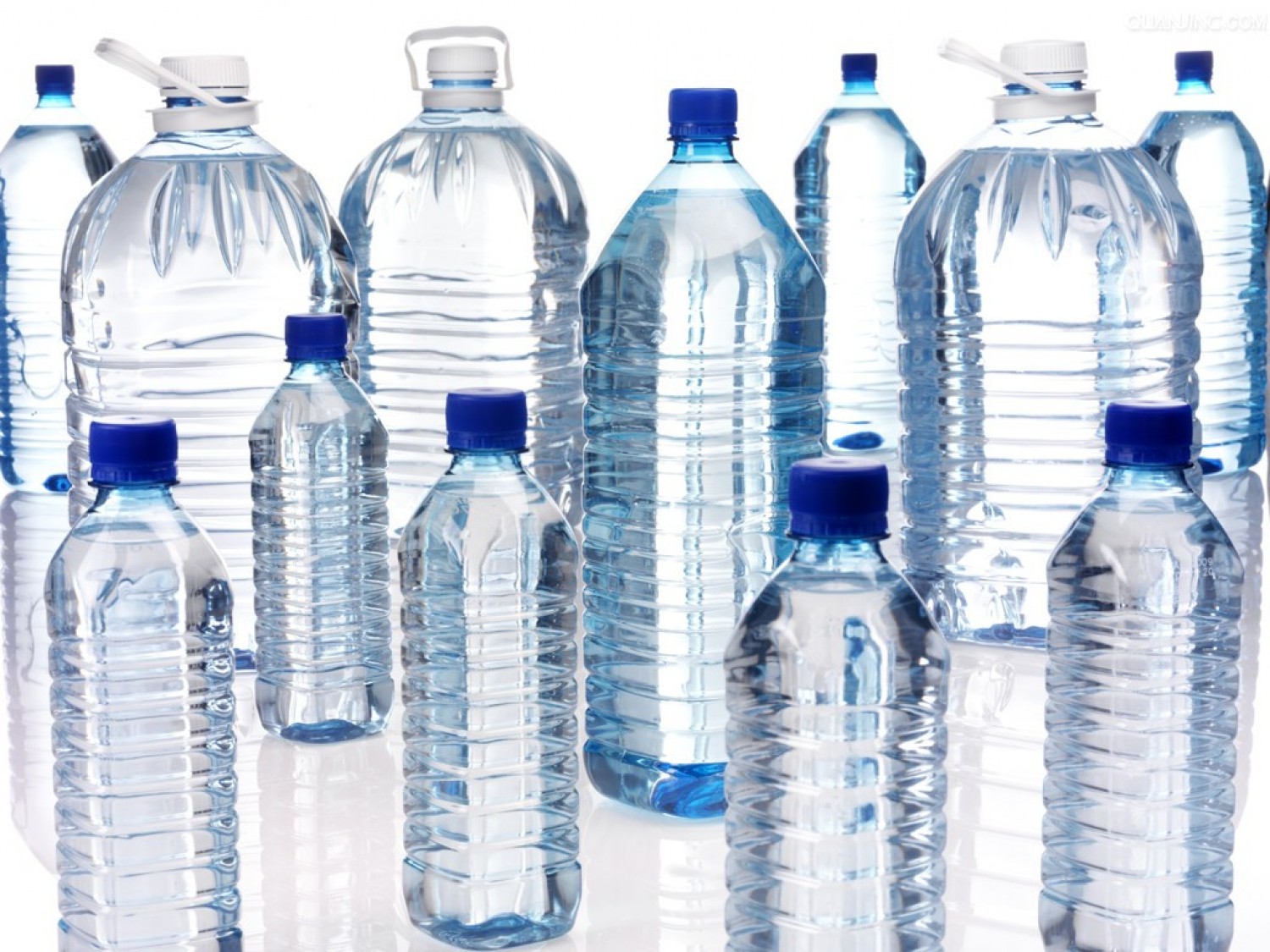
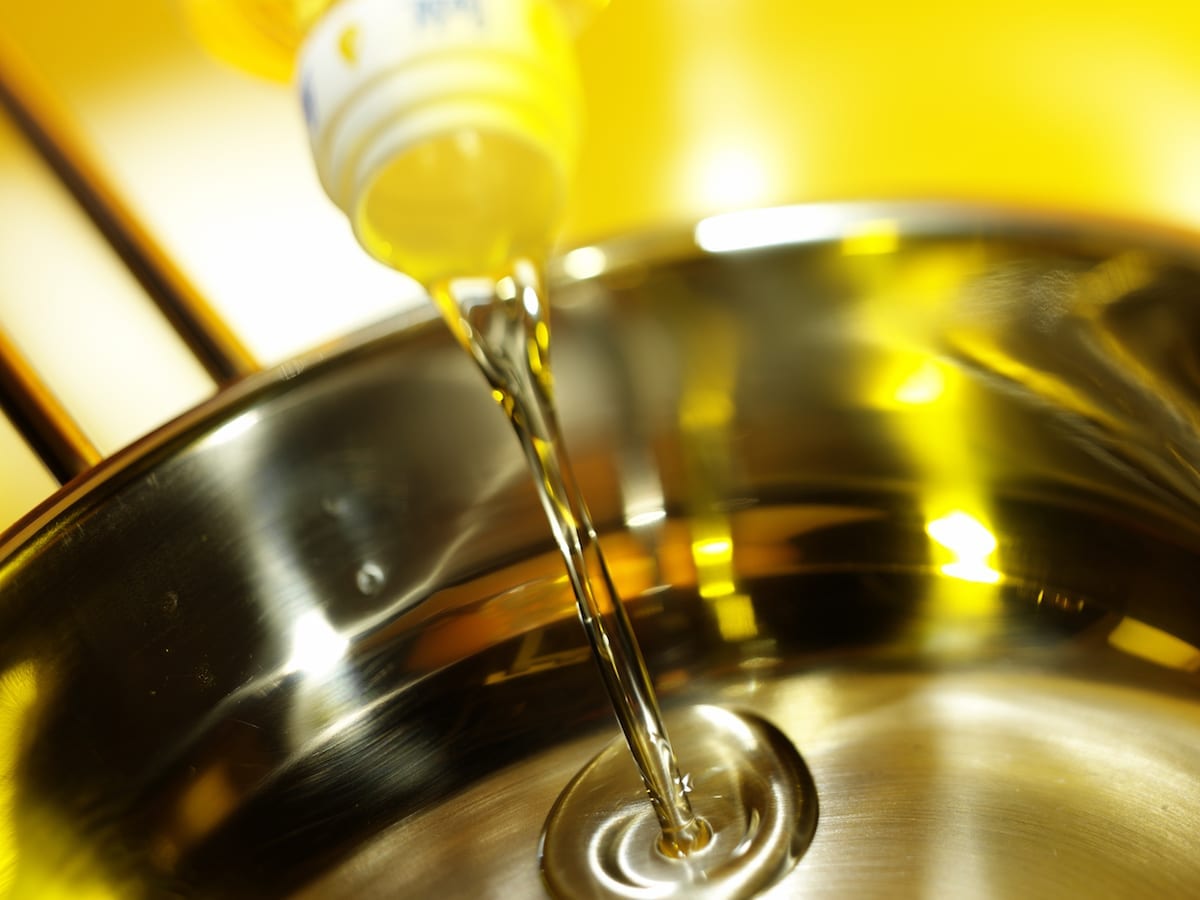
• Light liquids (water, juices, oils)
• Viscous liquids (detergents, shampoo, liquid soap)
• Powders (flour, spices, powdered detergents)
• Granules or solid items
• Packaging formats: bags, bottles, jerrycans, pouches, trays
Each category requires a completely different filling technology. The wrong choice leads to:
• Slow production
• Leakage problems
• Frequent stoppages
• High maintenance costs
3. Practical Steps to Select the Best Filling Machine
4
Define Production Capacity
• How many units per hour?
• How many shifts per day?
• Do you plan to expand within 3 years?
Choose the Automation Level
• Semi-automatic for startups
• Fully automatic for medium factories
• Integrated high-speed lines for large plants and export operations
Calculate Available Space
• Line length
• Workflow paths
• Storage areas
Set Your Budget
• Purchase cost
• Operating cost
• Maintenance and spare parts
Select a Reliable Supplier
• Warranty
• Training
• After-sales support
• Local spare parts availability
4. Comparison of Filling Machine Types
Factor | Semi-Automatic | Automatic | High-Speed Integrated Lines
Production capacity | Small projects | Medium factories | Large/export factories
Investment cost | Low | Medium | Higher but best ROI
Labor required | High | Medium | Very low
Accuracy level | Medium | High | Very high
Best for | Startups | Growing plants | Industrial corporations
Profitability | Slower growth | Good | Very fast and highly profitable
5. Market Opportunities & Investment Potential
4
• Continuous growth in food, detergent, and chemical products
• Strong export expansion into regional and African markets
• Rising demand for professional, high-quality packaging
Example Cost & Profit Model for a Medium Factory
Item | Estimated Monthly Cost
Raw materials | $40,000
Labor | $12,000
Energy & maintenance | $8,000
Total costs | $60,000
Expected sales | $95,000
Net profit | $35,000 per month
ROI | Capital recovery in 12–18 months
Upgrading filling lines directly increases margins and shortens payback time.
Smart Tips for Buying Filling & Packaging Lines
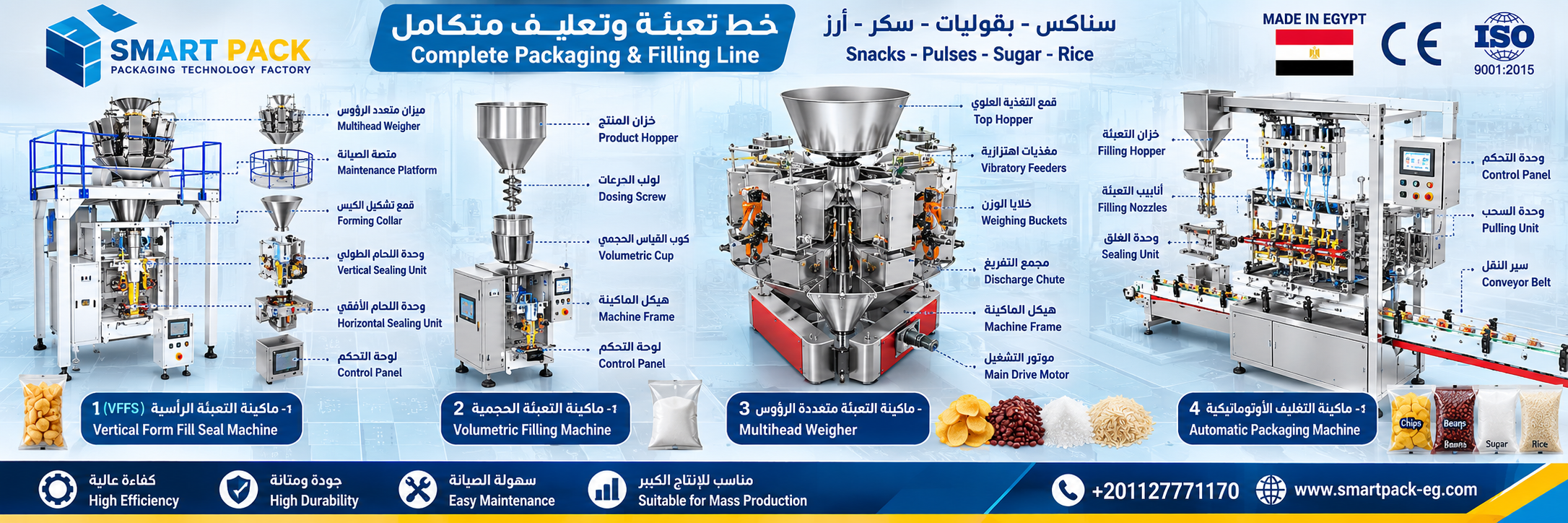
• Choose suppliers that deliver complete production lines, not just single machines
• Request live testing before purchase
• Ensure spare parts are locally available
• Train your operating team
• Work with experienced industrial providers like Smart Pack for integrated solutions
Partnering with a reliable supplier reduces breakdowns and improves productivity from day one.
Frequently Asked Questions
What is the best filling machine for medium factories?
Fully automatic systems that combine high speed with stable accuracy.
Are detergent filling machines different?
Yes. They require viscous liquid systems with anti-foam and anti-leak nozzles.
How long do packaging lines last?
Typically 10–20 years with proper maintenance.
How do I determine the right machine type?
Based on product type, production target, budget, and expansion plan.
Is automation really profitable?
Absolutely. Less labor and higher speed significantly improve margins and shorten ROI.