 Admin
Admin Peanut Oil Production and Filling Line
Fully Automatic Food Factory with High Profits and Strong Export Potential
Peanut oil is one of the most in-demand edible oils in global food markets. It sells daily, moves fast, and delivers excellent margins. Used in households, restaurants, food factories, and export supply chains, it offers continuous year-round demand with no seasonal slowdown.
If you are searching for a food manufacturing project that combines stable sales, fast capital turnover, and strong profitability, establishing a peanut oil production and filling plant is one of the smartest investments you can make in the edible oil packaging industry.
By using modern automatic filling and packaging machines, factories can produce thousands of bottles per hour with high precision and low unit costs. Every improvement in filling accuracy and packaging speed directly increases profits and competitiveness.
This complete industrial guide covers peanut oil components, processing stages, production line specifications, suitable filling machines, comparison tables, cost and profit analysis, and professional equipment solutions from Smart Pack to help you achieve maximum return on investment.
What Is Peanut Oil and How Is It Produced Industrially
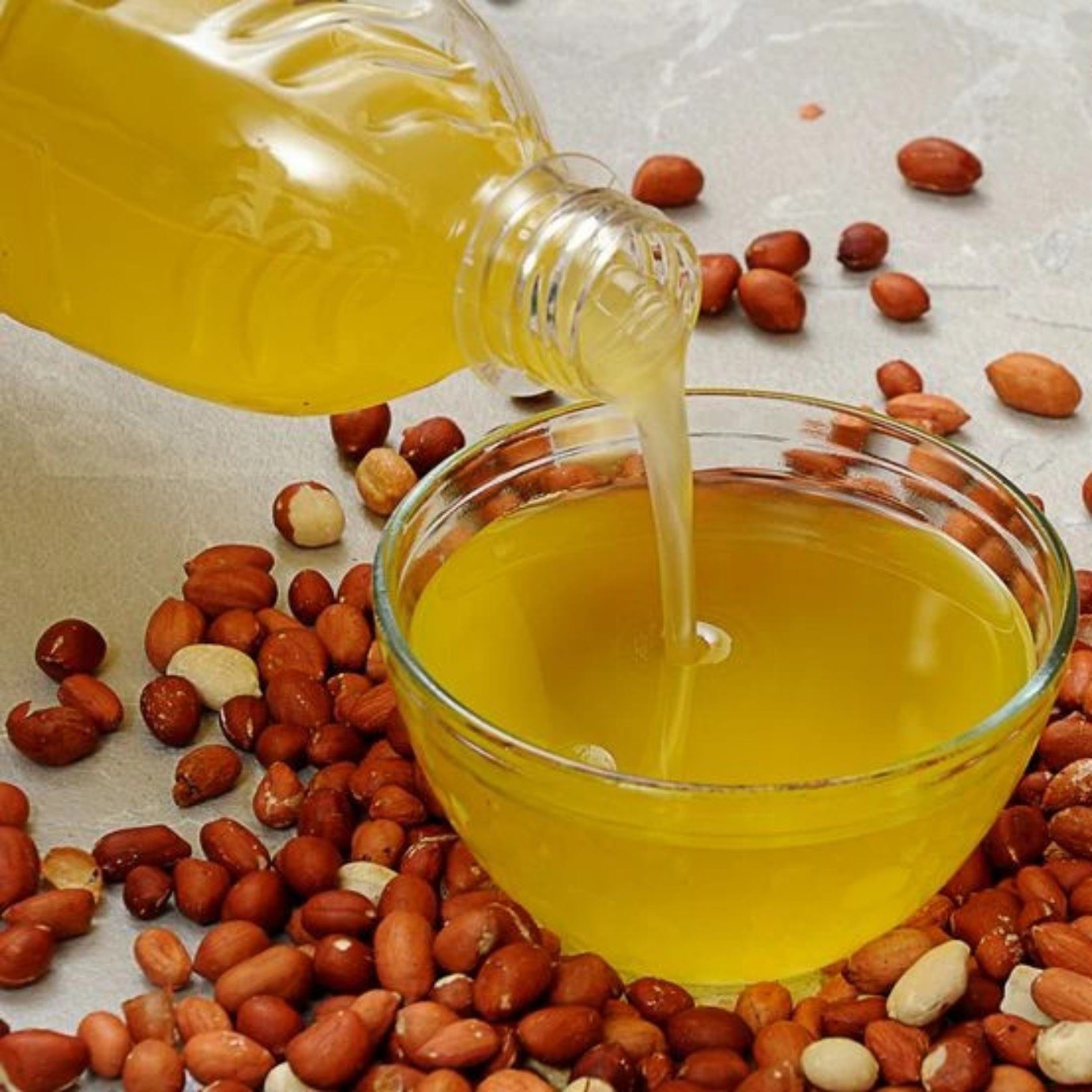
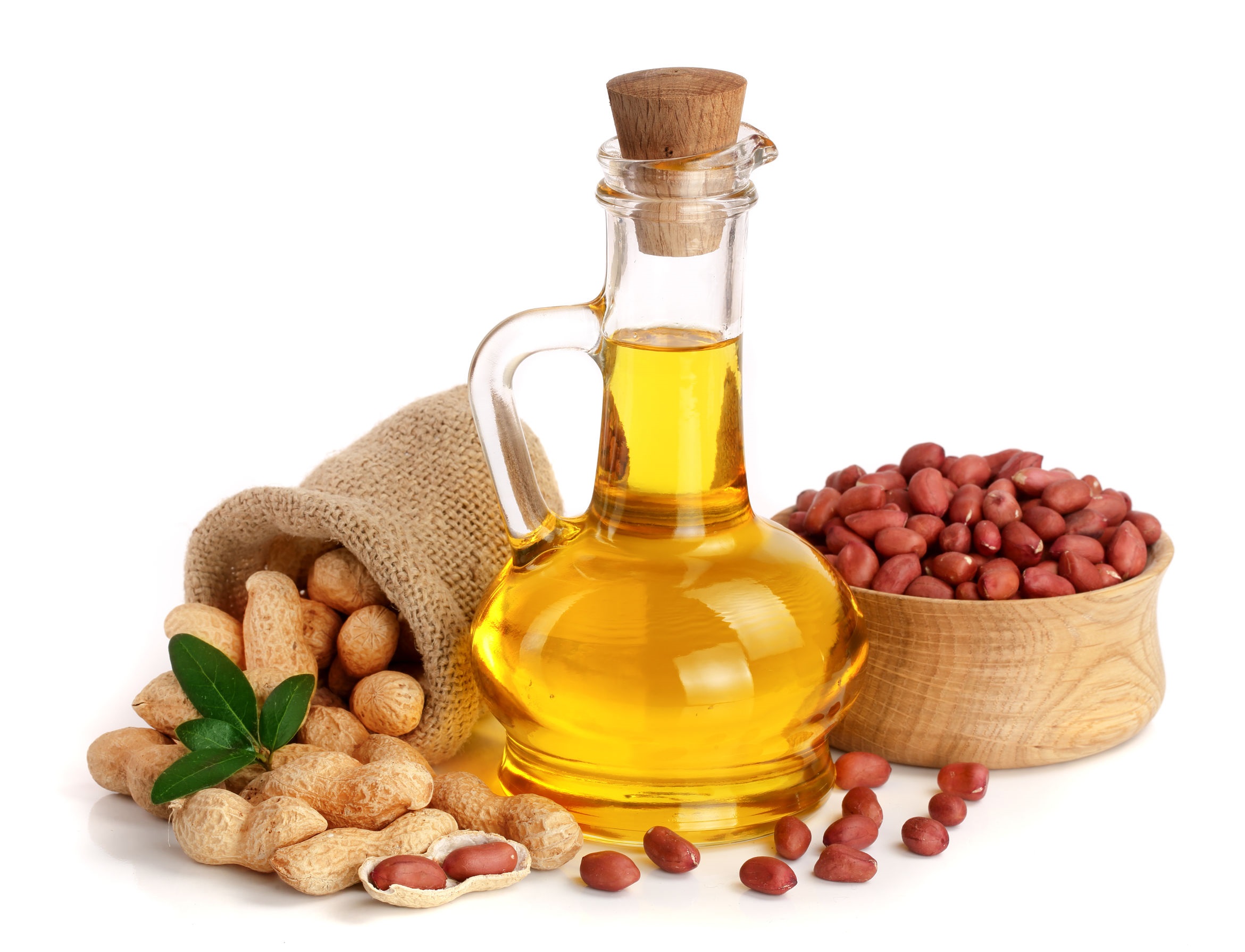
Peanut oil is a vegetable cooking oil extracted from peanuts through mechanical pressing or extraction. It is valued for its thermal stability, mild taste, and excellent frying performance, making it widely used in food processing and commercial kitchens.
Core Product Components
High-quality raw peanuts
Cold-pressed or hot-pressed extracted oil
Food-grade filtration systems
Food-safe packaging materials
Plastic or glass bottles with tight caps
Choosing clean, high-oil-content raw materials directly increases profitability.
Peanut Oil Production Line and Factory Equipment
4
Essential Machinery
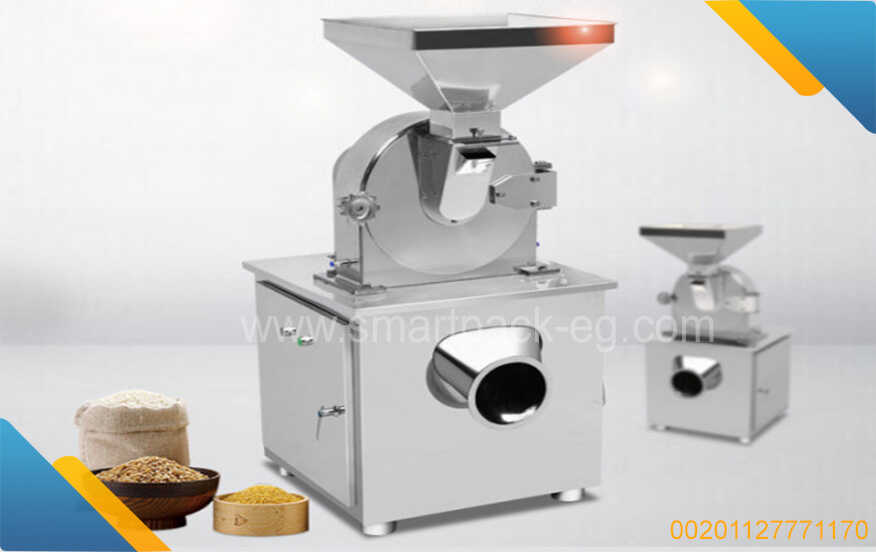
Peanut cleaning and sorting machine
Roasting machine to enhance flavor and oil yield
Oil pressing or extraction machine
Filtration and purification units
Food-grade stainless steel storage tanks
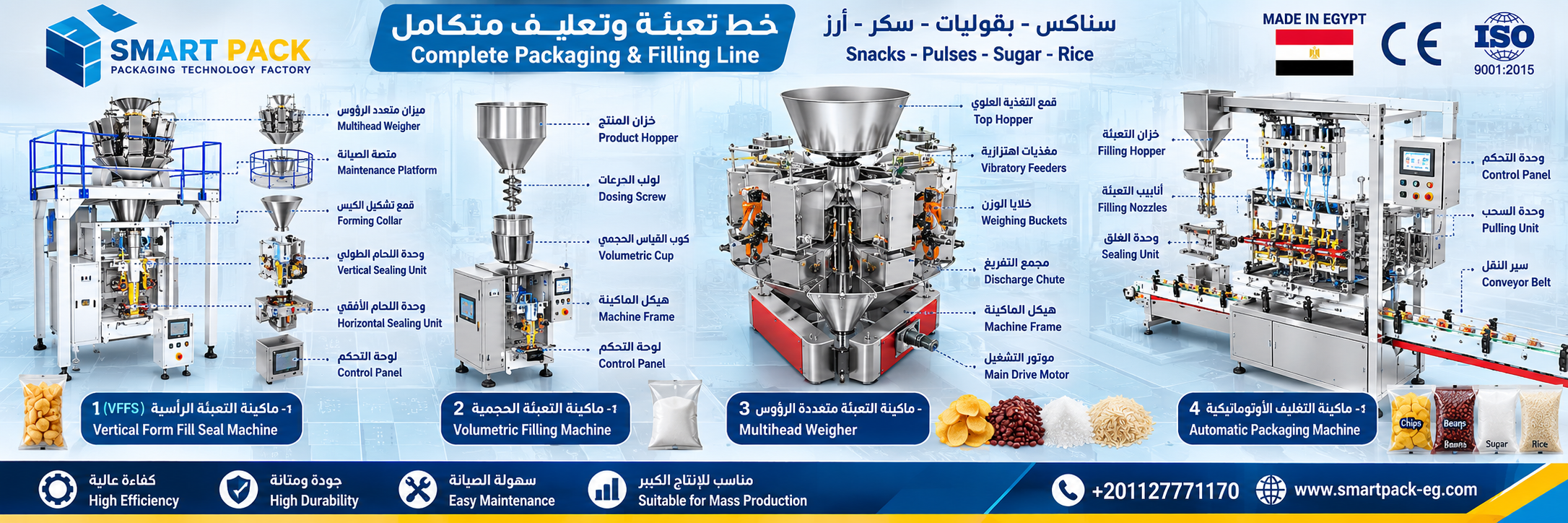
Edible oil filling machines
Automatic filling and packaging lines
Capping machines
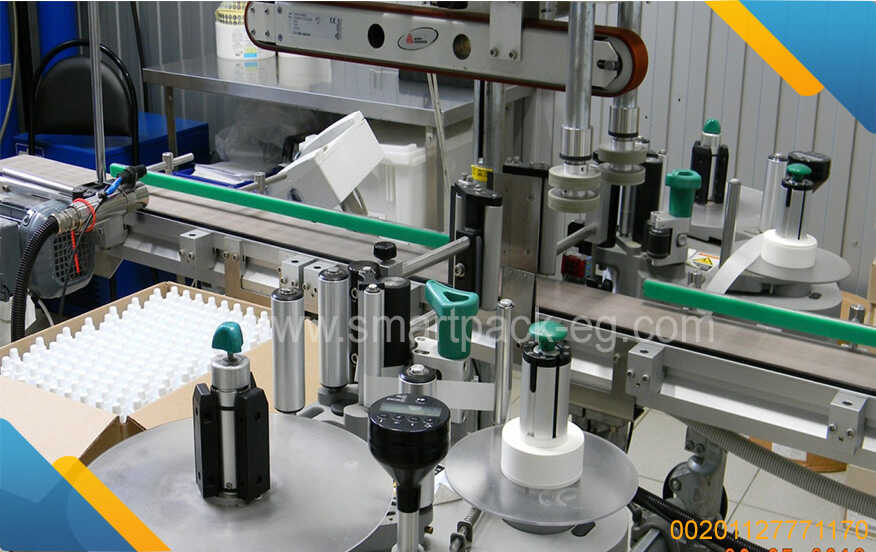
Labeling and date printing machines
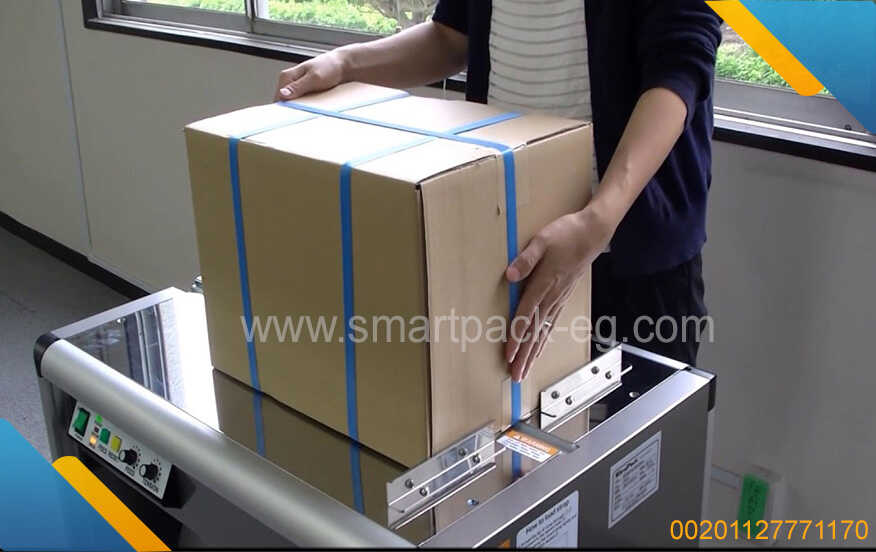
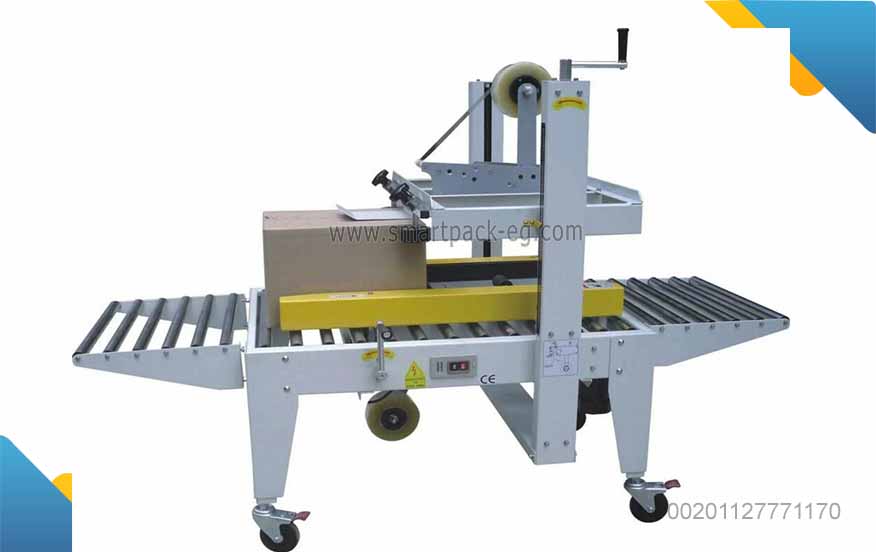
Conveyors, shrink wrapping, and cartoning systems
This integration ensures smooth, continuous production without interruptions.
Step-by-Step Factory Operation
Cleaning and Sorting
Remove dust and impurities for pure raw material quality.
Roasting
Improve taste and increase extraction efficiency.
Pressing and Extraction
Extract oil using industrial presses or centrifuge systems.
Filtration and Purification
Remove sediments to obtain clear, high-quality oil.
Temporary Storage
Store oil hygienically before filling.
Filling and Packaging
Use automatic filling and packaging machines to fill bottles and jerrycans quickly and accurately.
Filling and Packaging Machines for Peanut Oil Factories
4
Recommended Filling Solutions
Piston filling machines for accurate volumetric dosing
Servo automatic fillers for high-speed production
Shrink wrapping machines for grouped retail packs
Integrated lines combining filling, labeling, and packaging
Higher automation reduces labor costs and multiplies output.
Filling Line Comparison
| Line Type | Bottles/Hour | Automation Level | Description | Suitable For |
|---|---|---|---|---|
| Semi-automatic | 900–1500 | Medium | Partial manual assistance | Small startups |
| Fully automatic | 3000–6000 | High | Integrated filling + labeling + packaging | Medium factories |
| High-speed line | 8000–12000 | Professional | 24/7 continuous production | Large/export plants |
Investment Cost Overview
| Investment Item | Estimated Level | Impact on Profitability |
|---|---|---|
| Cleaning & pressing equipment | Medium | Determines oil yield and quality |
| Tanks & filtration | Medium | Maintains food purity |
| Filling & packaging lines | Major | Doubles productivity |
| Monthly operations | Variable | Raw materials, labor, energy |
Market Demand and Profit Potential
Peanut oil is widely demanded by:
Households
Restaurants and fry shops
Food manufacturers
Wholesale traders
African and Asian export markets
Example Profit Model
Daily production: 12,000 bottles
Cost per bottle: $0.85
Wholesale price: $1.70
Net profit per bottle: $0.85
Daily profit: over $10,000
Monthly profit: may exceed $300,000
This makes peanut oil one of the fastest-return investments in edible oil manufacturing.
Smart Investment Tips
Start with expandable production lines
Use attractive packaging to increase selling price
Focus on consistent quality to build brand trust
Adopt automatic filling systems to reduce labor
Target export markets for higher margins
Why Choose Smart Pack
Food-grade stainless steel equipment
Complete integrated production lines
Custom factory layout design
Reliable after-sales service and spare parts
High-speed, durable industrial systems
Smart Pack delivers professional solutions designed specifically for food oil factories.
Frequently Asked Questions
What are the best filling machines for peanut oil?
Automatic piston or servo systems provide the highest accuracy and speed.
Can detergent filling machines be used for edible oils?
Yes, if built from food-grade stainless steel.
What is suitable for small projects?
Semi-automatic or compact expandable lines.
How much does a line cost?
It depends on capacity, but returns are fast due to strong demand.
How can I speed up packaging?
Use automatic shrink wrapping connected to conveyors.
Start Your Profitable Edible Oil Factory Today
Demand is strong, markets are open, and opportunities are growing fast. Investing in professional filling and packaging lines is the key to building a competitive, high-profit peanut oil factory.
Contact Smart Pack today for a free technical consultation and a customized production and filling line designed specifically for your factory, and start operating with higher capacity, lower costs, and stronger profits from day one.