
 Admin
Admin Profitable Motor Oil Factory
High-Speed Automatic Production, Filling, and Packaging Lines for Maximum Industrial Returns
The automotive lubricant market never stops. Cars, trucks, heavy equipment, and factories operate every day — and they all require engine oil continuously. That means year-round demand, fast capital turnover, and repeat customers.
If you’re searching for an industrial investment that delivers stable daily sales and strong profit margins, building a motor oil production and filling factory is one of the smartest decisions you can make.
With modern automatic filling and packaging lines, factories can double output, reduce labor costs, minimize waste, and significantly increase margins. The difference between an average factory and a professional one lies in production efficiency, filling accuracy, and packaging speed.
In this complete industrial guide, you’ll discover ingredients, preparation steps, production lines, machinery, filling systems, comparison tables, costs, profit projections, and professional equipment solutions from Smart Pack to help you maximize returns.
What Is Motor Oil and How Is It Produced Industrially
Motor oil is a high-demand petroleum-based lubricant formulated from refined base oils combined with specialized chemical additives to enhance performance, reduce friction, and extend engine life.
Basic Industrial Formula Components
-
Mineral or synthetic base oils
-
Viscosity improvers for high temperatures
-
Antioxidants to prevent oil degradation
-
Anti-wear and anti-rust additives
-
Detergents and dispersants to keep engines clean
These formulations require precision mixing systems and controlled industrial blending to ensure consistent quality.
Motor Oil Production Line and Core Factory Equipment
4
Main Production Components
Large-capacity oil blending tanks
Heating and temperature control systems
High-power mixers for viscous liquids
Fine filtration units
Storage tanks ready for filling
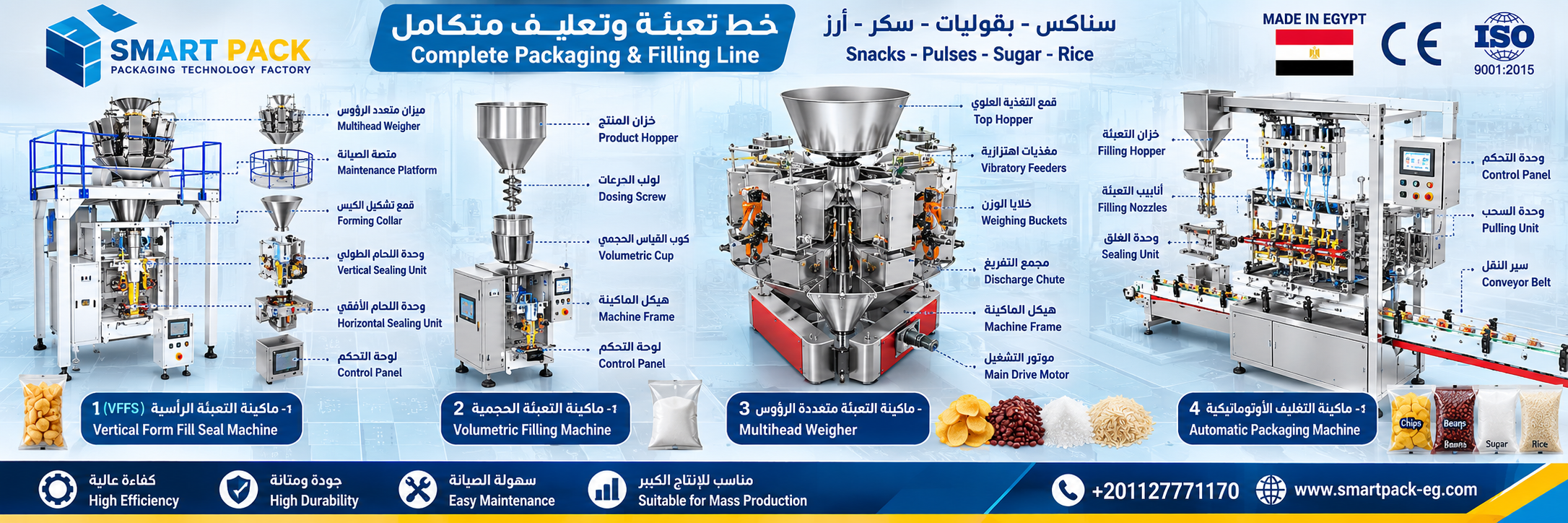
Automatic filling and packaging machines
Heavy-duty piston filling machines for thick oils
Capping machines
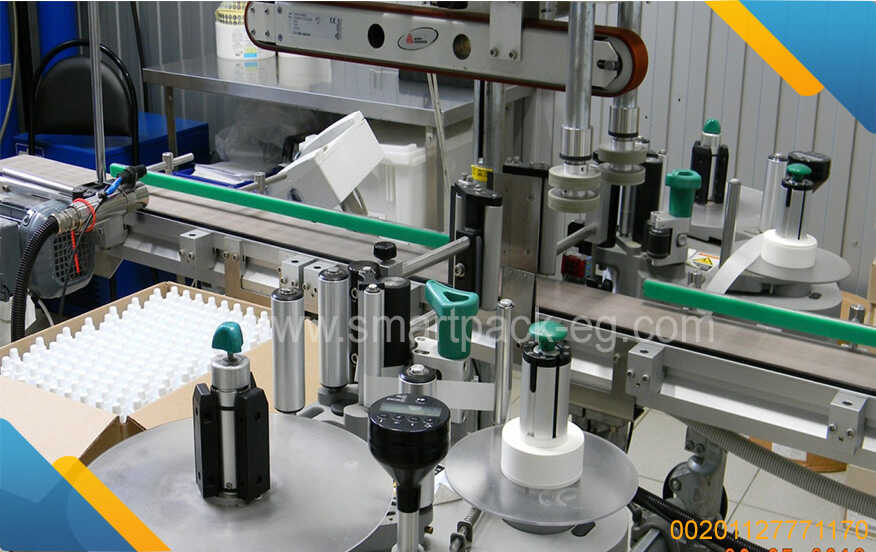
Labeling and date printing systems
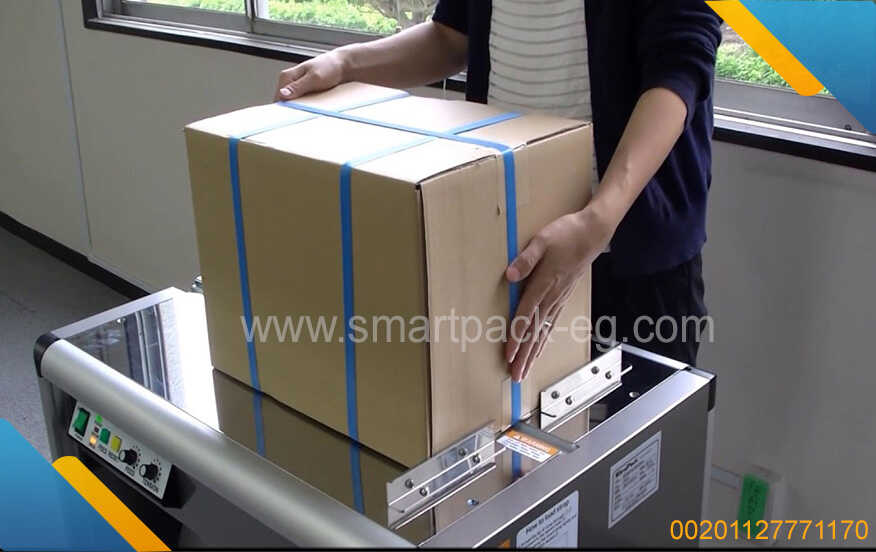
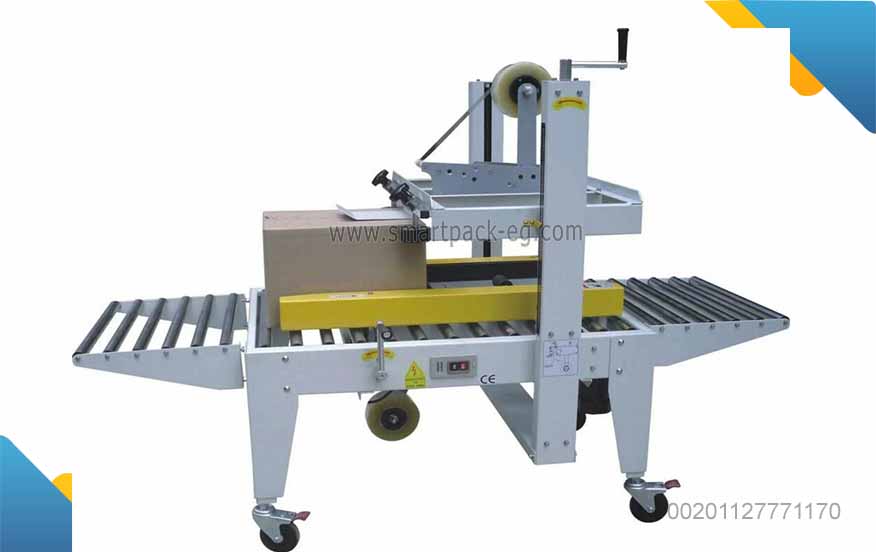
Conveyors, shrink wrapping, and cartoning machines
Together, these systems ensure continuous, high-efficiency production.
Factory Operation Stages
Raw Material Preparation
Receiving and laboratory testing of base oils and additives.
Industrial Blending
Accurate mixing inside heated blending tanks.
Filtration and Purification
Removing impurities for stable, high-quality oil.
Temporary Storage
Holding finished oil before filling.
Filling and Packaging
High-speed automatic filling, capping, labeling, and wrapping.
Final Inspection
Leak testing, weight checks, and carton packaging for shipping.
Filling and Packaging Machines That Multiply Factory Profits
4
Recommended Filling Machine Types
Piston filling machines for heavy viscous oils with high accuracy
Servo multi-head automatic fillers for higher speed
Shrink wrapping machines for commercial packaging
Fully automatic integrated lines with minimal labor
These machines reduce manpower, increase productivity, and maximize profits.
Filling Line Comparison Table
| Line Type | Bottles/Hour | Automation Level | Operational Description | Best For |
|---|---|---|---|---|
| Semi-automatic | 800–1200 | Medium | Partial manual loading, low startup cost | Startups |
| Full automatic | 3000–6000 | High | Integrated filling, capping, labeling conveyors | Medium factories |
| High-speed industrial | 10,000+ | Professional | Servo-controlled, ultra-fast, continuous production | Large/export plants |
Factory Setup Cost Overview
| Investment Item | Estimated Level | Profit Impact |
|---|---|---|
| Industrial tanks & mixers | Medium–High | Improves quality, reduces returns |
| Automatic filling lines | Major investment | Faster output, lower labor, higher margins |
| Shrink packaging | Moderate | Enhances product appearance and value |
| Monthly operations | Variable | Raw materials, labor, utilities |
Market Demand and Profit Potential
The motor oil market remains highly stable and growing due to:
Increasing number of vehicles yearly
Continuous service center demand
Transport and logistics fleets
Industrial machinery usage
Large export opportunities
Example Profit Model (Medium Factory)
Daily production: 15,000 bottles
Cost per bottle: $1.00
Wholesale price: $2.20
Net profit per bottle: $1.20
Daily profit: $18,000
Monthly profit: $500,000+
These numbers show why motor oil production is one of the most profitable industrial packaging sectors.
Smart Investment Tips
Start with scalable production lines
Invest in automatic filling systems to cut labor costs
Offer multiple bottle sizes to reach more customers
Secure supply contracts with workshops and fleets
Focus on branding and professional packaging
Why Choose Smart Pack Equipment
Integrated complete solutions
Custom production line designs
Reliable after-sales service and spare parts
On-site testing before delivery
Heavy-duty machines built specifically for industrial oils
Smart Pack delivers durable, high-performance systems tailored for demanding industrial environments.
Frequently Asked Questions
What is the best filling machine for high-speed motor oil lines?
Multi-head piston or servo automatic lines.
Can detergent filling machines be used for motor oil?
Yes, they are ideal for viscous liquids like lubricants.
What is the cost for medium production lines?
Varies by capacity, but ROI is fast due to high margins.
What suits small projects?
Semi-automatic or expandable small lines.
How do I increase packaging speed?
Use automatic shrink wrapping connected to conveyors.
Start Now and Own a Factory With Daily Profits
The market is ready. Demand is constant. The opportunity is strong.
All you need is a professional production and filling line to transform raw oil into a high-value commercial product.
Contact Smart Pack today for a free technical consultation and a customized high-speed filling and packaging line — and launch your factory with higher productivity and stronger profits from day one.