 Admin
Admin Turning Raw Cocoa into a High-Value Product with Profitable Production Lines
Transforming raw cocoa into a premium, market-ready product is not just a technical process — it’s a smart investment decision that directly determines factory profitability, pricing power, and speed of market entry.
When production is built from day one on professional processing, filling, and packaging lines, manufacturers can reduce waste, standardize quality, command higher prices, and confidently supply retail, gifting, and export markets.
With the right setup, cocoa stops being a low-margin commodity and becomes a scalable, high-return branded product.
Why Cocoa Processing Is a High-Return Investment
4
Cocoa manufacturing offers strong commercial advantages:
Consistent global demand for cocoa-based products
Significant value increase when converting raw beans into finished or semi-finished goods
Flexible pricing depending on processing level and packaging
Excellent compatibility with multi-product production lines
This makes cocoa one of the smartest food investments for factories seeking stable, long-term margins.
1. Where Manufacturing Begins: Raw Cocoa as a Strategic Material
The entire process starts with selecting the right raw beans:
Uniform cocoa bean origin and quality
Controlled moisture levels to minimize losses
Stable sourcing to ensure batch consistency
Good raw material simplifies every downstream step and drastically reduces waste.
2. Core Industrial Stages of Cocoa Processing
4
Industrial cocoa processing typically includes:
Fermentation to develop base flavor
Drying to stabilize quality and prevent mold
Roasting to enhance aroma and control color
Grinding to produce cocoa mass (liquor)
Partial pressing to extract cocoa butter when needed
Each step adds value and prepares the product for packaging and commercialization.
3. How Cocoa Processing Creates Multiple Products
One production line can generate several profitable outputs:
Cocoa mass for industrial use
Cocoa powder for retail and bakeries
Cocoa butter for food and cosmetics
Semi-finished chocolate bases
Diversifying outputs multiplies revenue streams without requiring separate factories.
4. Quality Control and Its Direct Impact on Profitability
Precision matters at every stage:
Over-roasting causes bitterness and lowers value
Poor grinding creates filling problems
Incorrect moisture increases returns and spoilage
Tight process control reduces rework, improves efficiency, and protects margins.
5. Specifications of Profitable Cocoa Production Lines
4
A profitable cocoa line typically includes:
Roasters with adjustable time and temperature
High-uniformity grinders
Efficient cocoa butter presses
Cooling conveyors for texture stabilization
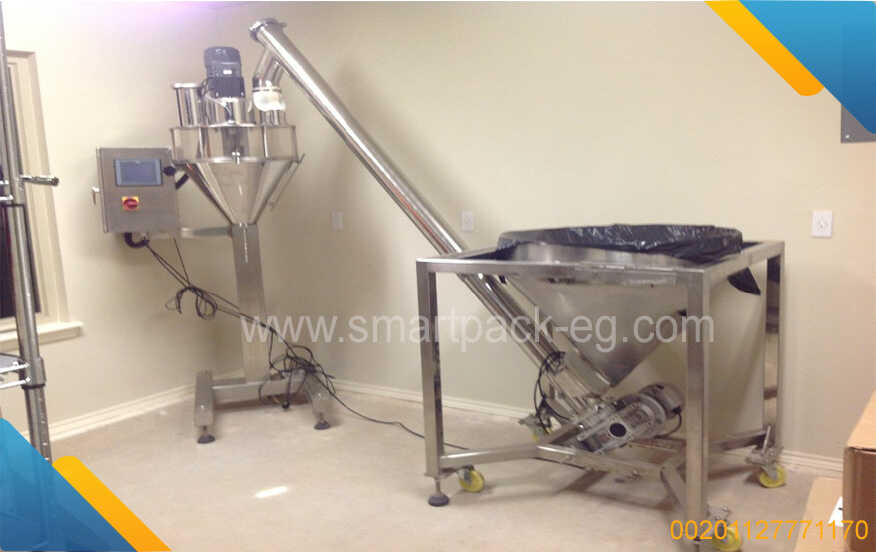
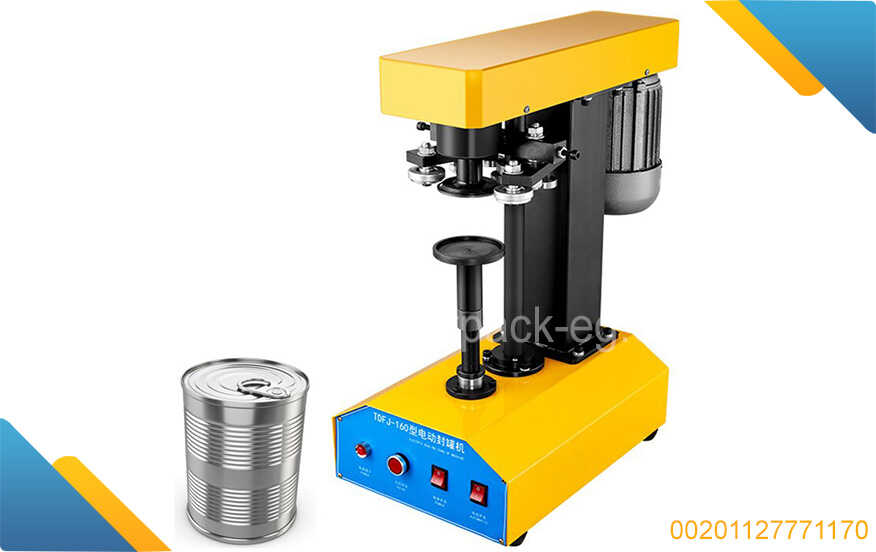
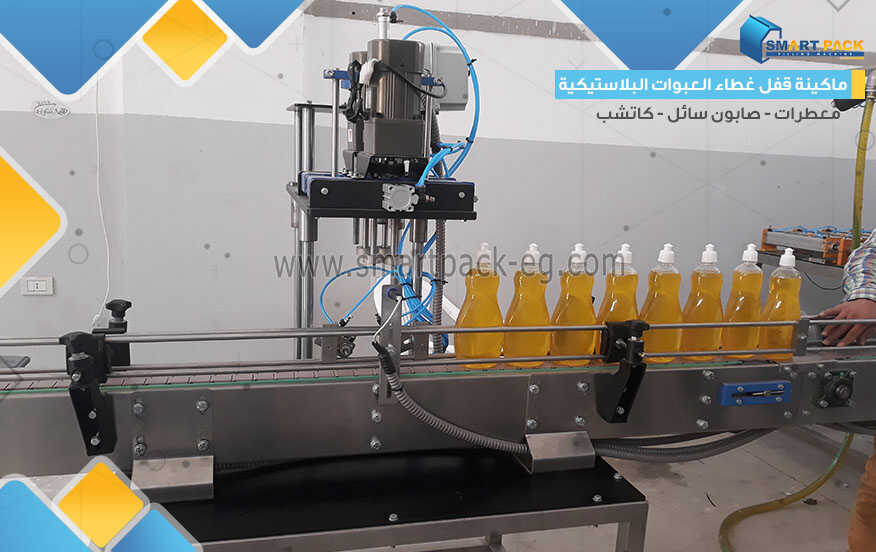
Integrated filling and packaging systems
This integration boosts output while reducing downtime and losses.
6. The Role of Packaging in Increasing Market Value
Packaging is not just the final step — it’s a profit driver.
Professional packaging:
Protects from moisture and heat
Maintains weight accuracy and product shape
Creates strong shelf appeal
Makes products retail- and export-ready
Better packaging directly justifies higher prices and improves consumer trust.
7. Raw Cocoa vs. Processed Cocoa: Investment Comparison
| Comparison Factor | Raw Cocoa | Processed Cocoa |
|---|---|---|
| Acceptable price | Low | High |
| Profit margin | Limited | Higher & stable |
| Marketability | Weak | Strong |
| Scalability | Limited | Wide |
| Quality control | Low | High |
Processing clearly delivers stronger and more sustainable returns.
8. Market Trends and Demand Opportunities
Current market trends favor:
“Direct from cocoa” premium positioning
Growth of specialty retail and gift products
Export opportunities with standardized quality
Well-packaged cocoa products reach markets faster and compete more effectively.
9. Common Mistakes That Reduce Profitability
Starting with incomplete production lines
Ignoring packaging early in the project
Inconsistent specifications between batches
Using unsuitable packaging for the sales channel
Avoiding these issues immediately improves financial performance.
10. Why Smart Pack Solutions Support Higher Profitability
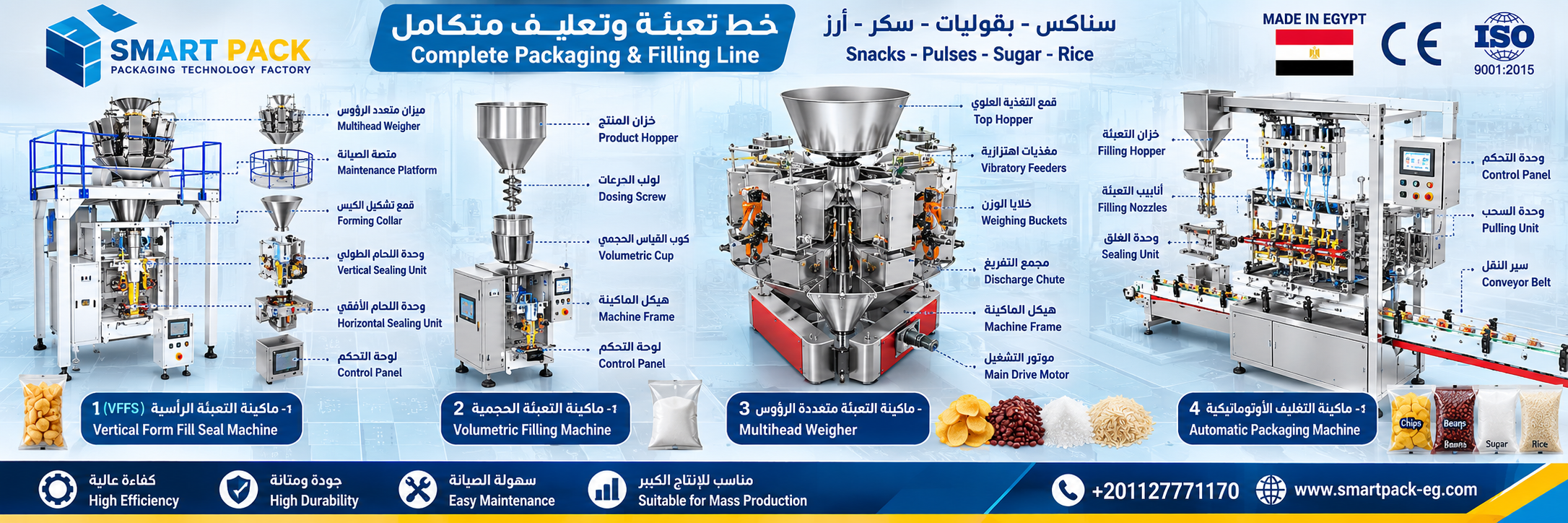
Smart Pack provides integrated food production, filling, and packaging solutions designed to work seamlessly with cocoa processing stages. With high weight accuracy, flexible pack sizes, and strong technical support, factories can reduce waste, speed up operations, and enter markets faster with confidence.
Frequently Asked Questions
How is raw cocoa transformed into a high-value product
Through fermentation, drying, roasting, grinding, pressing, and professional packaging.
How do profitable production lines increase cocoa value
By standardizing quality, minimizing waste, and enabling retail and export sales.
What role does packaging play in cocoa profitability
It protects the product, improves presentation, and allows higher pricing.
Does cocoa processing differ by target market
Yes. Retail and export markets require different specifications and packaging styles.
Why is processing cocoa better than selling it raw
Because it multiplies margins, reduces risk, and creates more revenue channels.
If you aim to build a high-value, high-margin cocoa business, start by converting raw beans using professional production and packaging lines. Investing in the right equipment transforms cocoa from a basic commodity into a powerful, scalable brand ready for retail and export success.