
 Admin
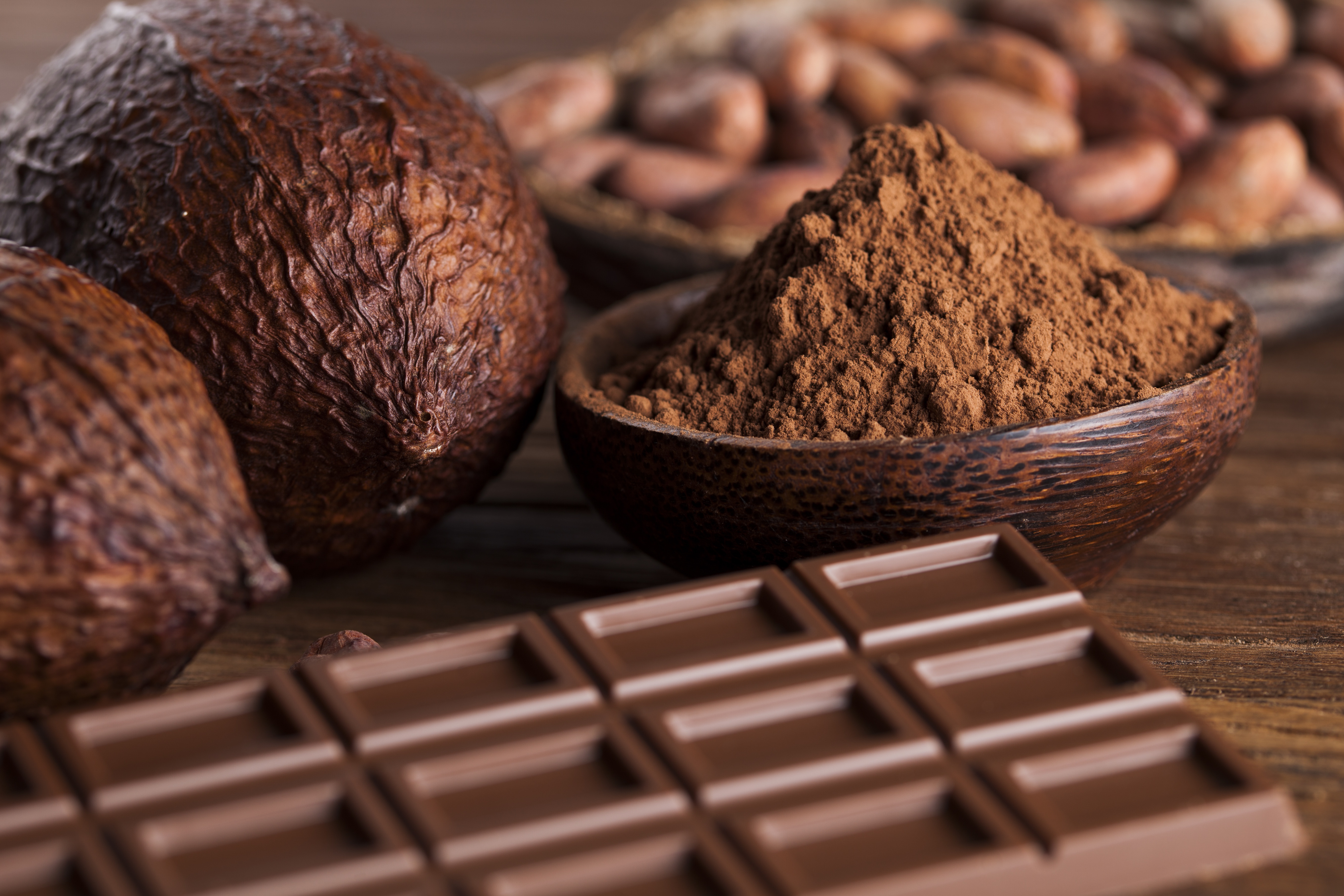
Admin Making Chocolate from Cocoa
A Profitable Manufacturing Opportunity Ready for Scale
Turning cocoa into chocolate is no longer a small craft activity. It has become a high-margin commercial manufacturing opportunity when supported by a professional filling and packaging line that simplifies marketing and elevates the product’s perceived value. Factories that control raw materials, processing, and packaging from day one can quickly enter retail, gifting, and export markets with stable, scalable profits.
With the right setup, cocoa-based chocolate can move from small batches to a reliable, fast-moving, premium product that sells itself on the shelf.
Why Cocoa-Based Chocolate Is a High-Demand Business
4
Chocolate is an emotional, impulse-driven product with constant turnover. Its value increases even more when marketed as “made directly from cocoa,” which appeals to quality-conscious customers and specialty markets.
From a business perspective, chocolate:
Sells quickly
Has strong perceived value
Supports premium pricing
Fits retail, gifts, and export
This combination makes it one of the smartest food products to manufacture commercially.
1. Where to Start: Cocoa as a Strategic Raw Material
A strong project begins with carefully selected cocoa:
Consistent cocoa beans or cocoa mass
Reliable suppliers with standardized batches
Proper fat content for smooth industrial processing
The goal is repeatable taste and texture that can be molded, handled, and packed automatically without cracking or deformation.
2. Core Ingredients for Industrial Cocoa Chocolate
A successful industrial formula typically includes:
Cocoa (beans, mass, or powder depending on the stage)
Sugar in controlled ratios
Cocoa butter for shine and smooth texture
Approved food emulsifiers
Optional natural flavors
These ingredients are chosen not only for taste, but primarily for manufacturability and packaging efficiency.
3. Industrial Stages: From Cocoa to Finished Chocolate
4
The professional process usually follows these steps:
Roasting and grinding cocoa to develop flavor
Mixing and refining for smoothness
Conching to improve taste and texture
Tempering to control crystal structure and shine
Molding and cooling to stabilize the product
This sequence ensures chocolate that runs smoothly on automated packaging lines with minimal waste.
4. Why Start with a Professional Filling and Packaging Line
Chocolate is sold by appearance first.
Professional packaging:
Protects from heat and humidity
Prevents breakage during transport
Increases acceptable selling price
Makes entry into retail and gift markets easier
Starting with proper packaging shortens your time to market and reduces returns.
5. Specifications of a Suitable Chocolate Packaging Line
4
An effective chocolate packaging system should provide:
High weight accuracy
Moisture and heat-resistant materials
Speeds synchronized with molding output
Easy size and format changes
These features transform product quality into consistent, repeat sales.
6. Manual Start vs. Professional Packaging Line
| Comparison Factor | Manual Work | Professional Line |
|---|---|---|
| Production capacity | Limited | High and stable |
| Package appearance | Inconsistent | Uniform and attractive |
| Marketing ease | Difficult | Easy |
| Waste rate | High | Low |
| Profit margin | Limited | Higher and stable |
The machine often makes a bigger difference than the recipe itself.
7. Target Markets and How Packaging Unlocks Them
The right packaging adapts the same chocolate to multiple channels:
Retail: small, eye-catching packs
Gifts: premium designs and higher value
Export: protective insulation and longer shelf life
Great packaging allows you to serve each market without changing the core recipe.
8. Expected Costs and Profits
With organized production:
Unit cost decreases as volume increases
Breakage and waste drop
Production speed improves
Profit margins grow
The real profitability advantage comes from efficient equipment, not just formulation.
9. Common Mistakes That Reduce Returns
Avoid these issues:
Poor tempering control
Non-insulated packaging
Incorrect pack sizes for the market
Inconsistent raw material suppliers
Fixing these problems immediately improves financial performance.
10. Why Smart Pack Is a Smart Starting Point
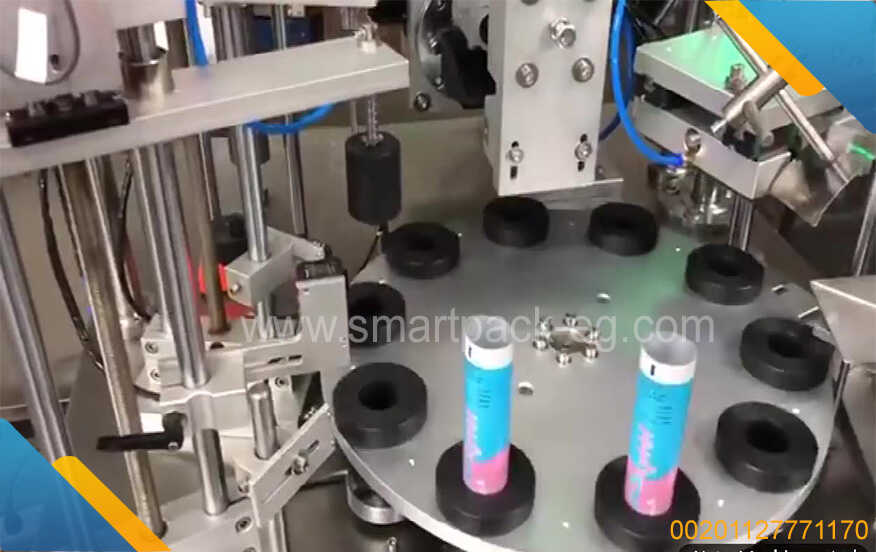
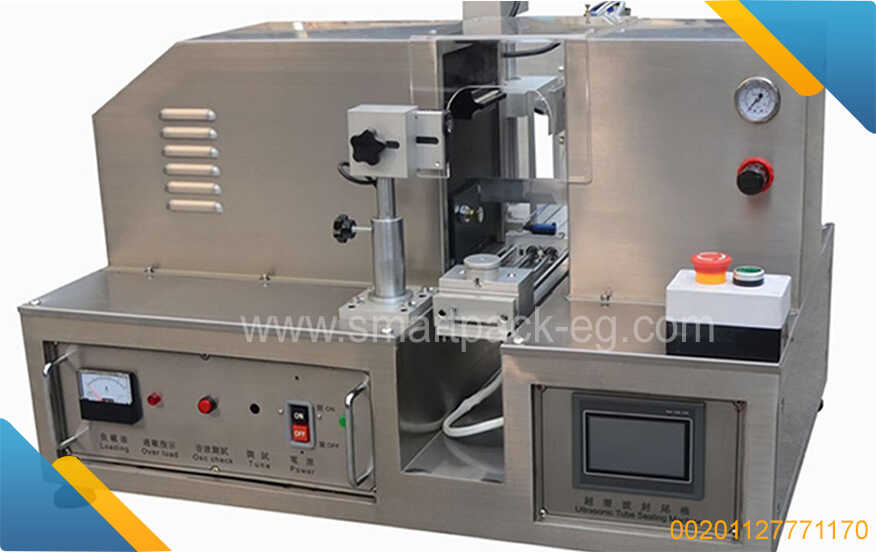
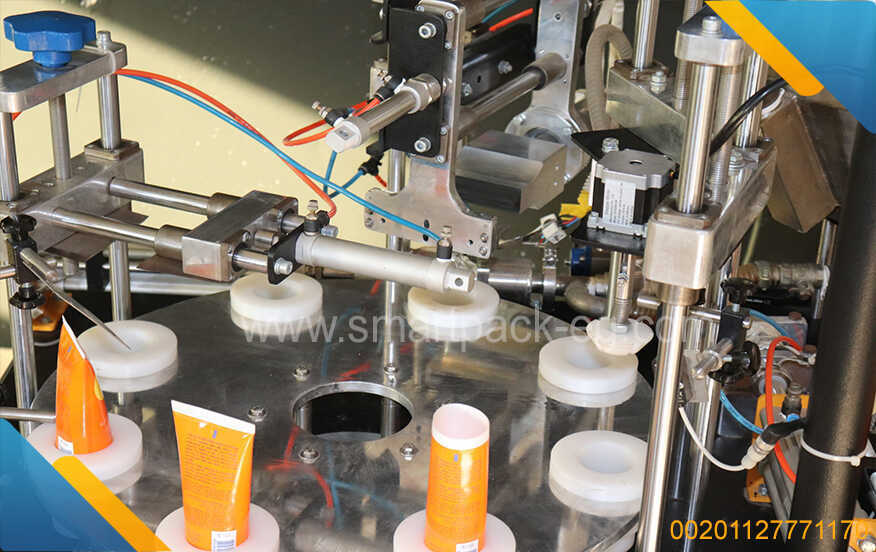
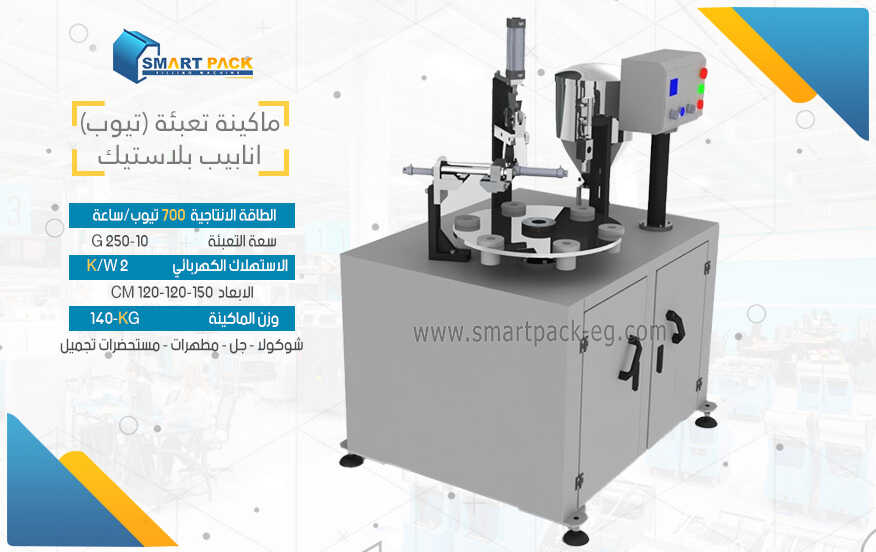
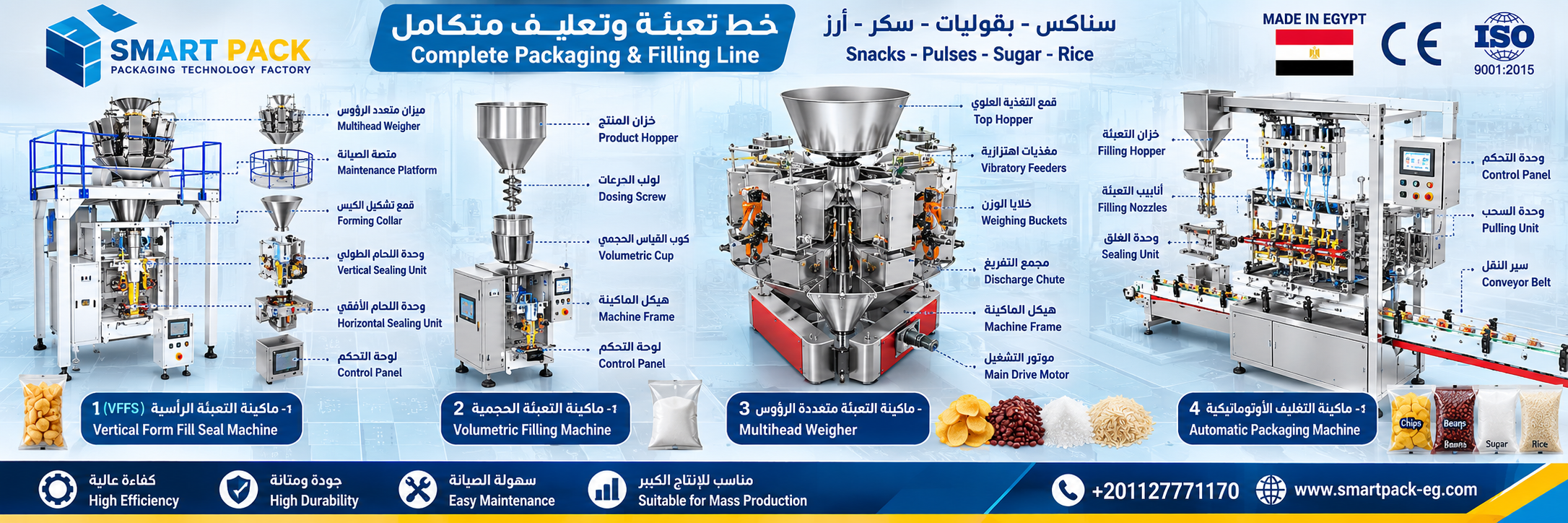
Smart Pack provides filling and packaging machines and complete solutions designed for emerging and mid-size chocolate projects. Their systems offer precise weighing, flexible formats, and strong technical support to help factories launch faster, reduce waste, and scale confidently.
Frequently Asked Questions
How does making chocolate from cocoa become profitable
By controlling raw materials, standardizing processing, and using professional packaging to increase market value.
What is the role of filling and packaging lines
They protect the product, improve appearance, and enable easy retail entry.
Should a chocolate project start with full production or packaging first
Starting with professional packaging alongside controlled production speeds up returns and lowers risk.
Which markets can cocoa chocolate target
Retail, gift, and export markets thanks to its premium positioning and good packaging.
Why is cocoa-based chocolate high margin
Because it has strong perceived value, premium pricing, and low waste when packaged professionally.
If you’re looking for a profitable project with clear, scalable steps, start by making chocolate from cocoa and pair it with a professional filling and packaging line. Partner with Smart Pack to launch faster, minimize losses, and multiply your chances of success in a competitive market.