

 Admin
Admin Home Chocolate Making
A Small Idea That Can Grow into a Profitable Production Line
Making chocolate at home may seem like a simple hobby, but it can actually become a powerful and highly profitable industrial project when developed systematically and connected to a professional production and packaging line. Many successful chocolate brands started in small kitchens, then grew into strong factories by standardizing recipes, stabilizing quality, and investing in the right packaging machines that simplified marketing and increased profit margins.
With the right equipment and planning, chocolate can move from handmade batches to large-scale commercial production faster than you might expect.
Why Chocolate Is Ideal for Scaling into an Industrial Business
4
Chocolate is an emotional, impulse-buy product with universal demand. It is easy to market, flexible in formats, and suitable for multiple price ranges.
From an industrial perspective, chocolate is:
Fast-moving
High value-added
Easy to package attractively
Perfect for retail, gifts, and export
This makes it an excellent candidate for transitioning from small home production to organized commercial manufacturing.
1. Home Chocolate Making as a Starting Point
Home production usually relies on:
Cocoa butter or raw chocolate
Sugar or sweeteners
Natural flavors
Manual molds
This stage is important for testing taste, recipes, and market acceptance. However, it is not commercially scalable without standardized quality and higher capacity.
2. When to Shift from Home to Industrial Production
The transition becomes necessary when:
Demand increases beyond manual capacity
You want to sell to stores or retailers
Professional packaging is needed to build trust
Waste rises and quality becomes inconsistent
At this point, production lines and packaging machines become essential.
3. Core Ingredients of Industrial Chocolate
Successful industrial chocolate depends on:
Consistent-quality cocoa or cocoa butter
Carefully measured sugar ratios
Approved food emulsifiers
Natural flavors
Optional inclusions such as nuts or fillings
The goal is a stable texture and repeatable taste that works smoothly with automatic filling and packaging systems.
4. Difference Between Homemade and Industrial Chocolate
Homemade chocolate:
Limited production
Inconsistent texture
Manual packaging
Short shelf life
Industrial chocolate:
Continuous production
Standardized quality
Professional packaging
Easy storage and distribution
This difference is what turns chocolate into a profitable commercial product.
5. Specifications of a Commercial Chocolate Production Line
4
A typical chocolate line includes:
Chocolate melting and mixing unit
Tempering system to control shine and texture
Molds or forming lines
Cooling tunnel to solidify the product
Final filling and packaging machines
This sequence guarantees consistent quality and a market-ready product.
6. The Role of Packaging Machines in Chocolate Success
Chocolate is sold by appearance before taste.
Professional packaging:
Protects shape
Prevents heat and moisture damage
Creates strong shelf appeal
Reduces breakage and waste
Good packaging can significantly increase the acceptable selling price.
7. Manual vs. Production Line Comparison
| Factor | Home Production | Commercial Line |
|---|---|---|
| Capacity | Very limited | High and stable |
| Product quality | Inconsistent | Standardized |
| Packaging | Manual | Professional |
| Marketability | Low | High |
| Profit margin | Limited | Strong |
Machines are often the real difference between a hobby and a profitable factory.
8. Quick Chocolate Market Overview
The chocolate market is:
High demand year-round
Perfect for seasonal and gift sales
Suitable for local brands
Easy to expand through attractive packaging
Brands that combine great taste with professional packaging spread quickly.
9. Expected Profitability After Scaling
When moving to an organized production line:
Unit cost decreases
Waste is reduced
Production speed increases
Profit margins rise
In many cases, success depends more on equipment efficiency than the recipe alone.
10. Why Smart Pack Machines Are a Smart Choice
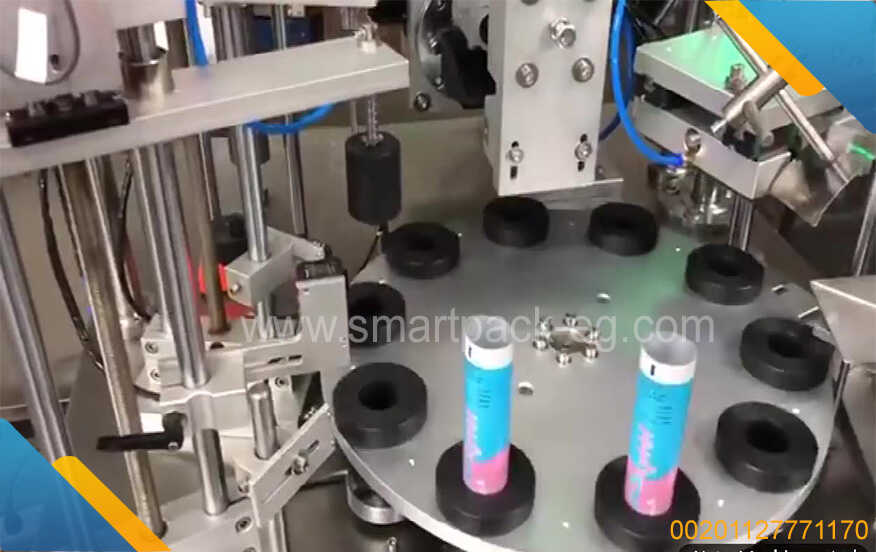
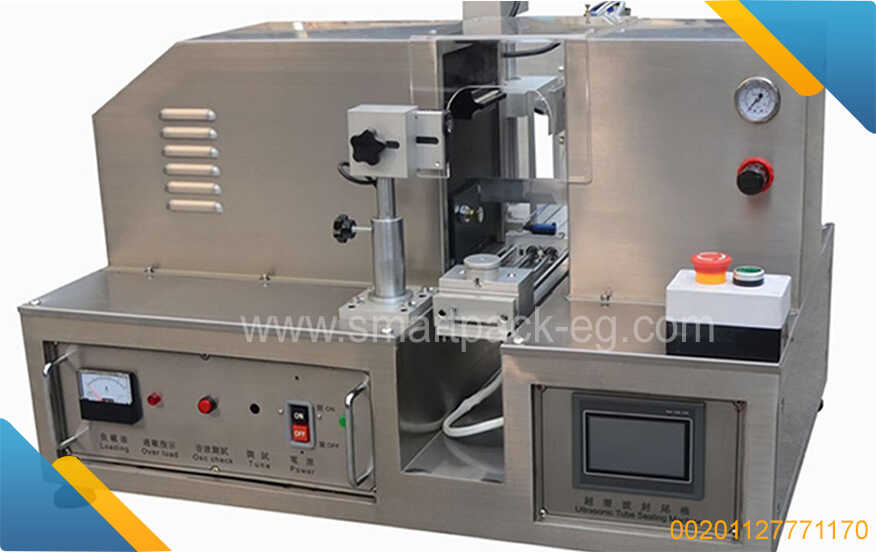
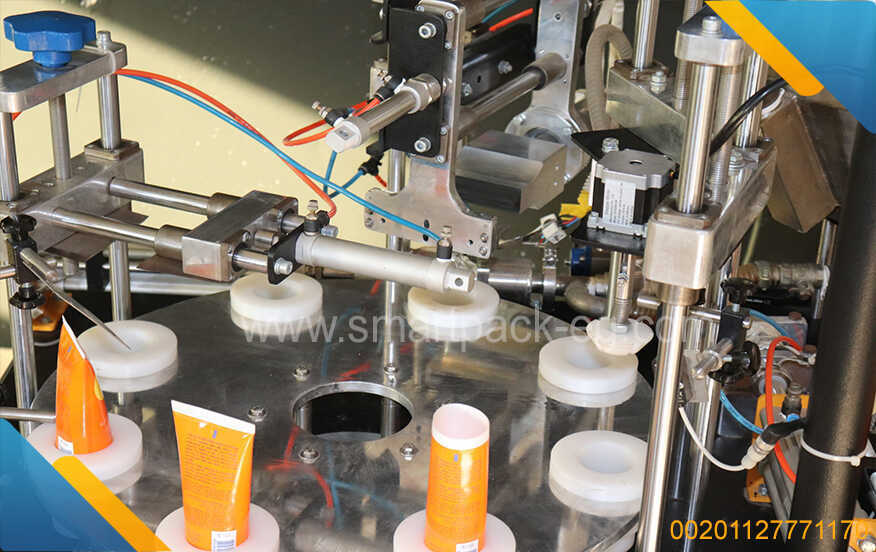
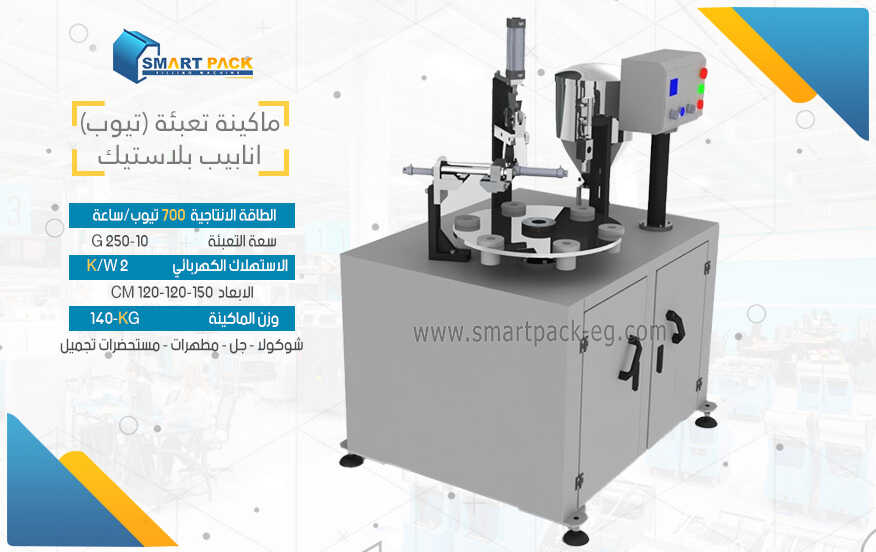
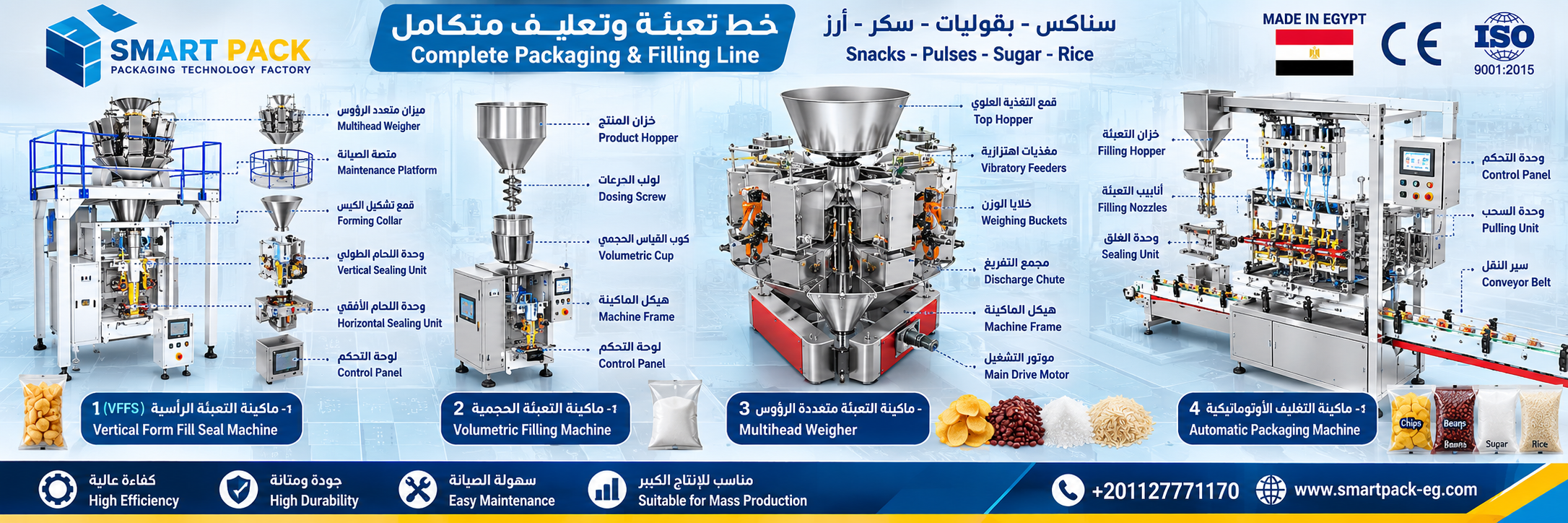
Smart Pack provides flexible filling and packaging machines and production lines tailored for emerging and mid-size chocolate projects. Their solutions offer precision, technical support, and scalable systems that help businesses move confidently from home production to profitable factories.
Frequently Asked Questions
How can home chocolate making become profitable
By standardizing the recipe, increasing capacity, and using professional packaging.
What is the difference between homemade and industrial chocolate
Consistency, packaging quality, and easier marketing.
What is the role of packaging machines
They protect the product, improve presentation, and enable retail sales.
Is chocolate suitable for small businesses
Yes, you can start with a small scalable line and grow gradually.
Why is chocolate highly profitable
Because its perceived value is much higher than its production cost when packaged professionally.
If you’ve started making chocolate at home and demand is growing, this is your opportunity to scale up. Invest in professional filling and packaging equipment from Smart Pack and transform your small batches into a strong, market-ready chocolate business with sustainable profits and confident expansion.