

 Admin
Admin Best Household Cleaning Products with Smart Production and Filling Lines
The household detergent market is one of the most stable and consistently profitable sectors in fast-moving consumer goods. Yet the real difference between an average product and a commercially successful brand lies in how it is manufactured, filled, and packaged.
Packaging and filling factories that rely on smart, integrated production lines can transform everyday cleaners into easy-to-market, fast-turnover, high-margin products with strong scalability and brand potential.
This guide delivers a complete industrial and marketing perspective to help you choose the best household detergents and manufacture them using professional production systems.
Why Household Detergents Are an Ideal Project for Filling and Packaging Factories
Household cleaners are daily essentials. Consumers buy them repeatedly, which creates continuous sales cycles rather than one-time purchases. This ensures steady cash flow and predictable revenue.
For packaging and filling factories, these products offer clear advantages:
They use widely available, low-cost raw materials
They allow multiple bottle sizes and packaging formats
Buying decisions depend heavily on packaging quality
Several products can run on the same production line
This makes the segment low risk, high demand, and highly scalable.
What “Best Household Detergents” Means from an Industrial Perspective
The best home cleaners are not only those that clean effectively. From a production and business standpoint, they must also provide:
Consistent performance
Stable, easy-to-produce formulas
Practical and attractive packaging
Competitive pricing with strong profit margins
Common high-demand products include:
Dishwashing liquid
Floor cleaner
Multi-purpose cleaner
Liquid hand soap
Bathroom and kitchen cleaners
These items form the backbone of any factory seeking fast sales and strong market demand.
Household Detergent Production Lines and Specifications
4
An integrated production line is the most important factor in turning household detergents into a successful industrial business.
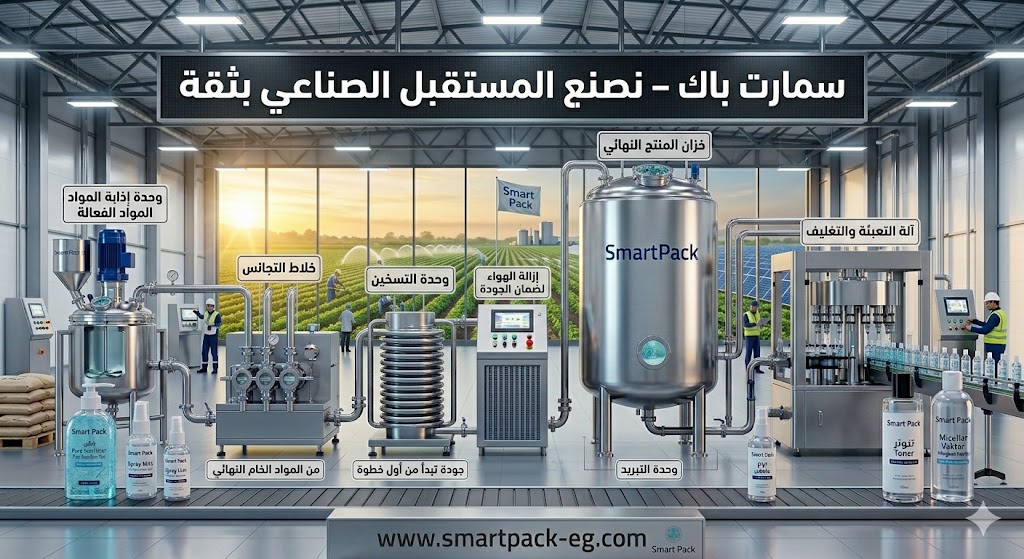
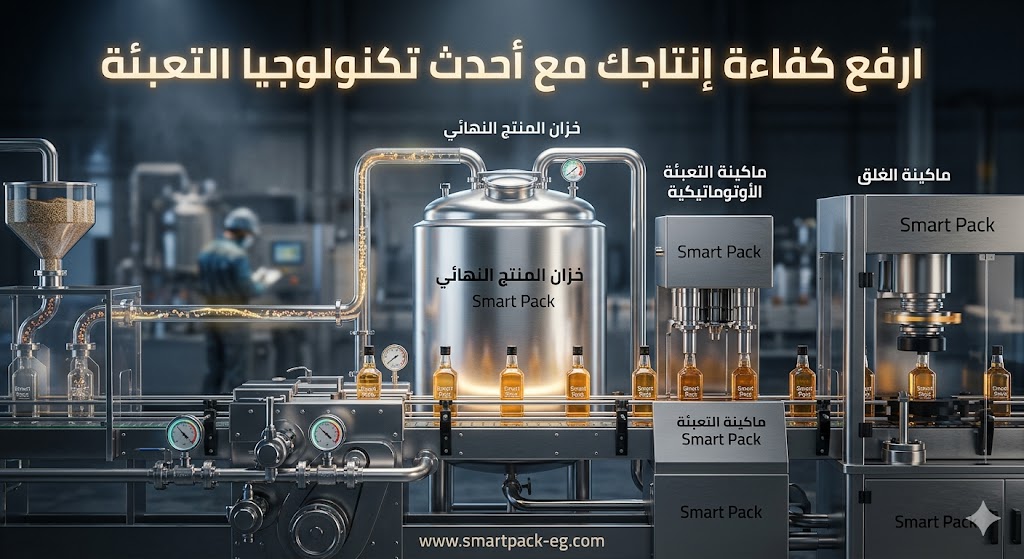
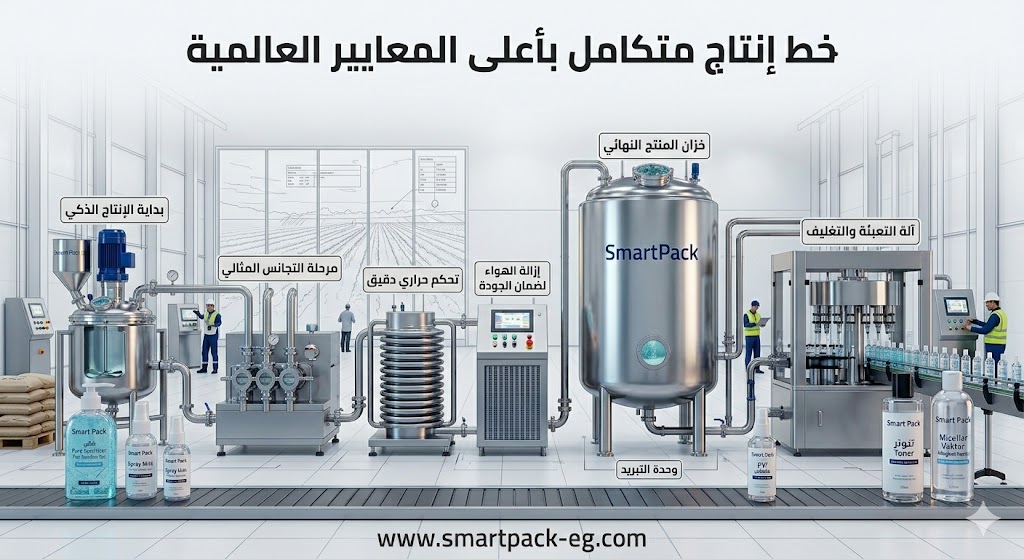
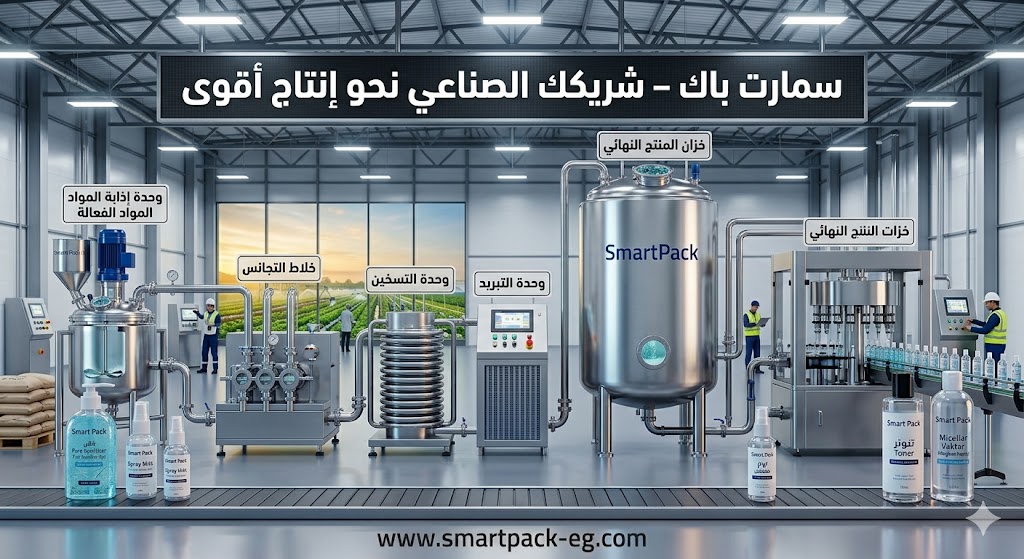
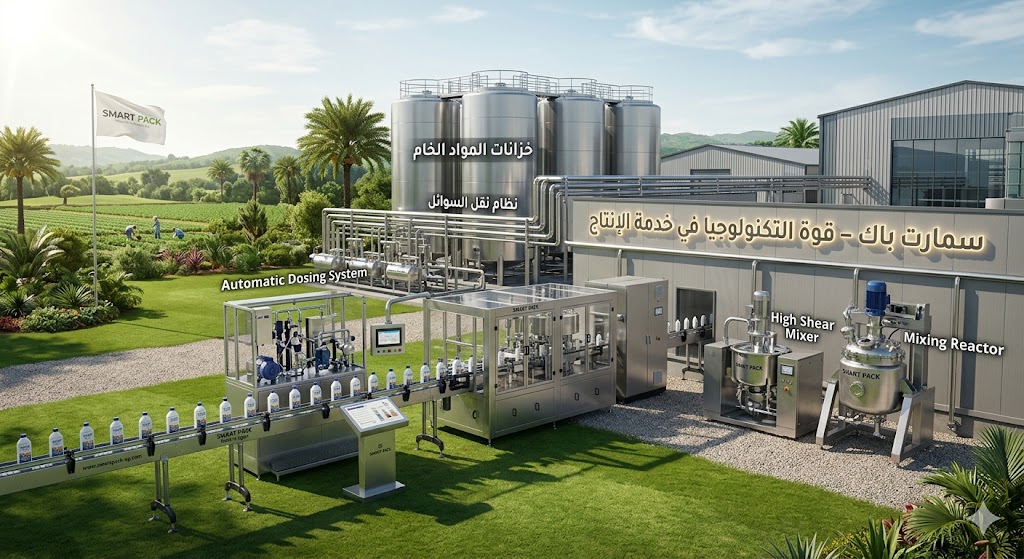
A standard line typically includes:
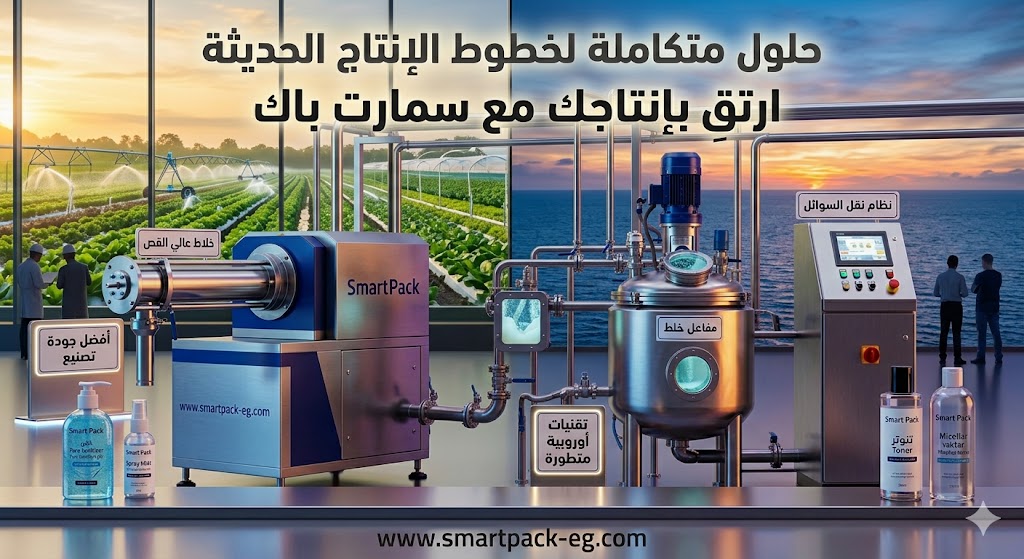
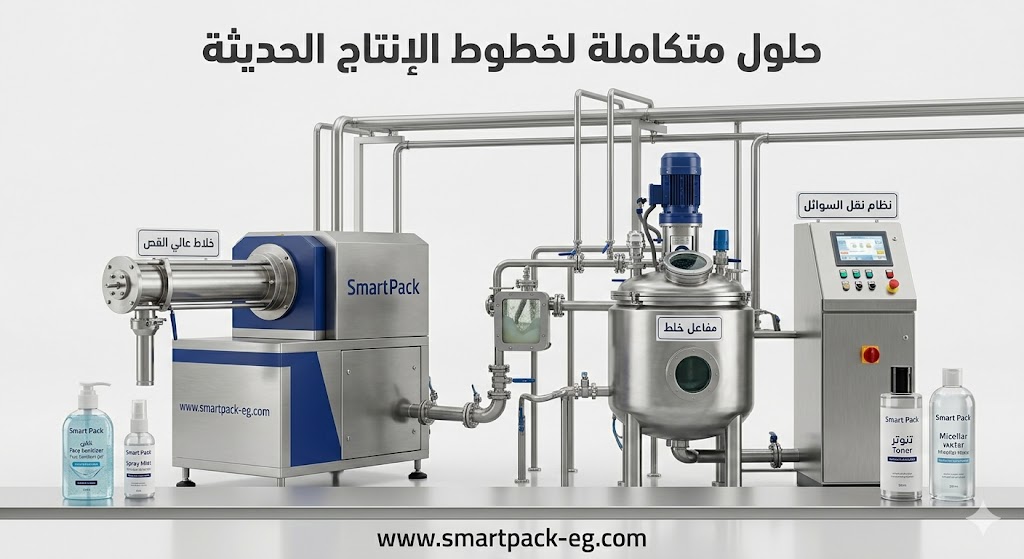
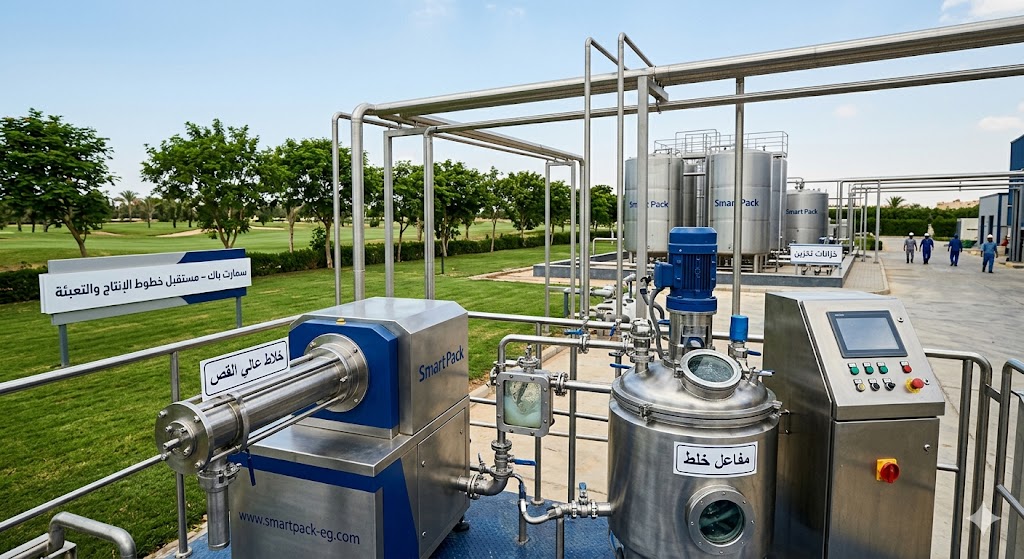
Stainless steel mixing tanks for safety and hygiene
Industrial mixers for full homogeneity
Precise raw-material dosing systems
Intermediate storage tanks
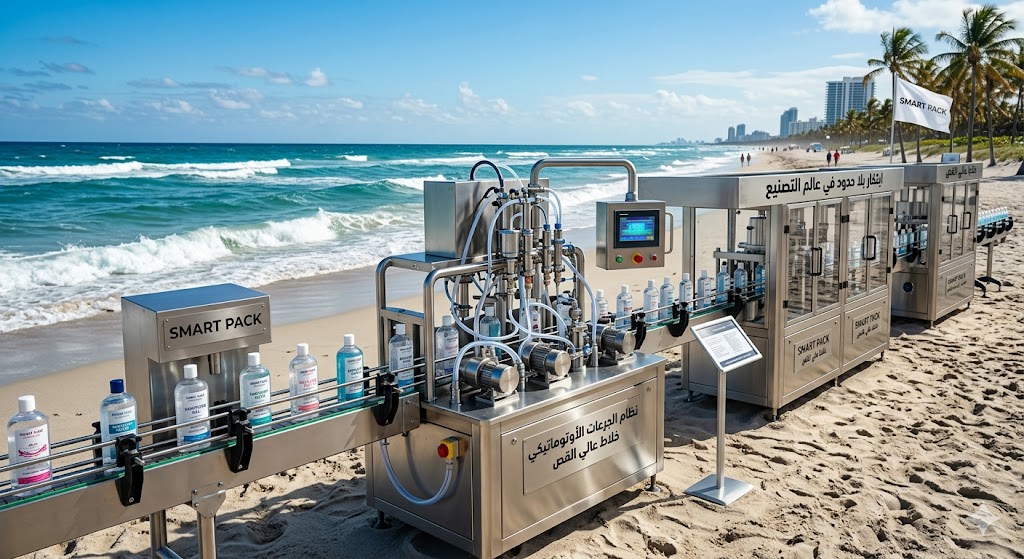
Liquid detergent filling machines
Labeling and packaging machines
Sealing and date coding systems
This integration reduces waste, increases productivity, and guarantees consistent quality.
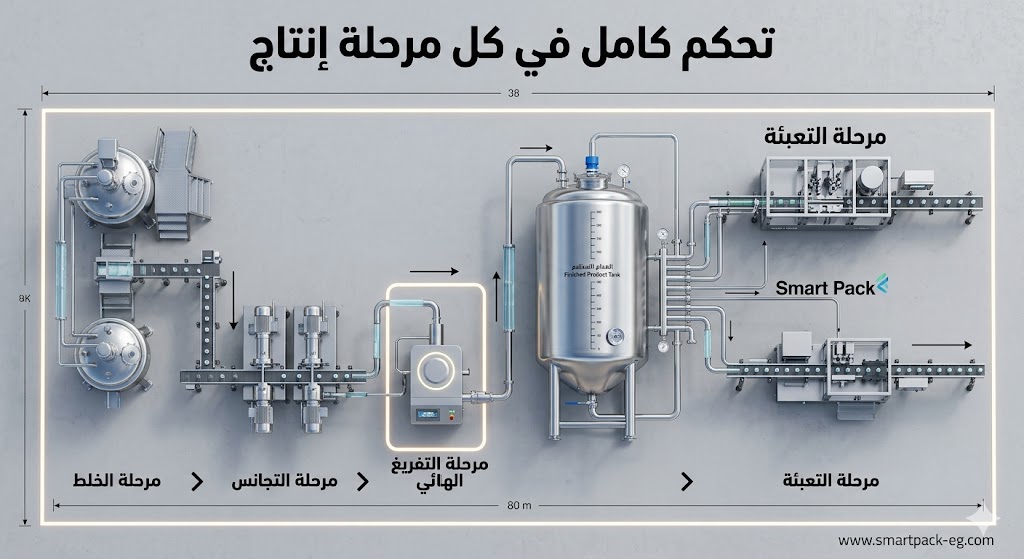
Operational Stages Inside a Household Detergent Factory
Production begins with preparing raw materials according to a tested formula. The mixture is processed in an industrial mixer where time and agitation speed are carefully controlled to achieve the ideal texture.
After stabilization, the product is transferred to storage tanks.
The filling stage is commercially critical. High-precision filling and packaging machines determine bottle weight, appearance, and output speed. After sealing and labeling, the product is immediately ready for distribution.
Suitable Filling and Packaging Machines for Home Cleaners
Selecting the right packaging equipment directly affects your competitiveness.
Recommended systems include:
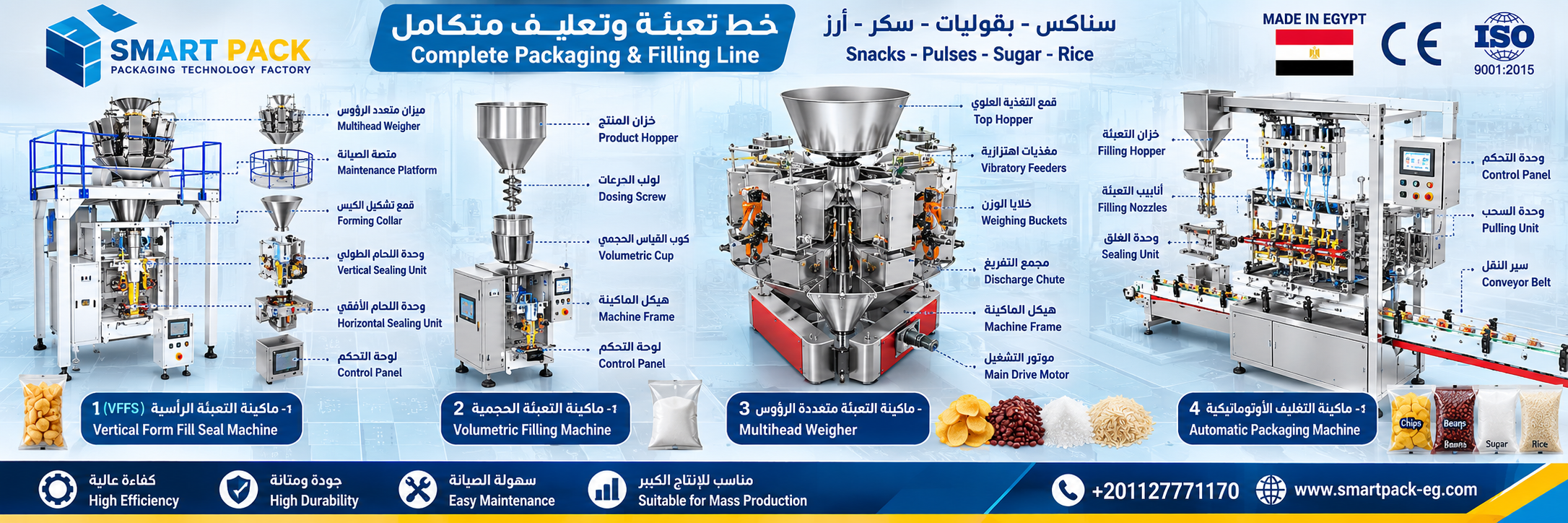
Liquid filling machines for low and medium viscosity products
Automatic plastic bottle filling and capping machines
Semi-automatic lines for startups
Fully automatic integrated lines for medium and large factories
These solutions allow quick size changes and support multiple products on one line.
Comparison of Household Detergent Production Systems
Manual production offers low and inconsistent capacity with weak margins.
Semi-automatic lines deliver moderate and stable output with balanced costs.
Fully automatic integrated lines provide very high productivity, professional presentation, and strong, stable profits.
Higher automation leads to faster growth and quicker returns.
Market Insights and Consumer Behavior
Consumers want effective cleaning, fair pricing, and convenient packaging. Local brands offering acceptable quality with professional packaging can strongly compete with global brands, especially in local retail markets.
Easy handling, clear labeling, and secure packaging significantly influence buying decisions. This is where smart filling and packaging lines make a decisive difference.
Costs, Profits, and Expected Returns
Production costs for household detergents are low compared to retail prices. With organized manufacturing:
Unit costs decrease
Waste is minimized
Production speed increases
Profit margins grow
Factories using precise filling machines often achieve fast returns on investment.
Smart Investment Tips for Packaging Factories
Start with the highest-demand products
Avoid excessive variety in the beginning
Focus on consistent quality
Treat packaging as a sales tool
Choose scalable production lines rather than temporary setups
Why Choose Smart Pack Solutions
4
Smart Pack provides specialized filling and packaging machines and integrated production lines designed specifically for household detergents. Their flexible systems match various capacities, from small startups to large-scale factories.
With reliable equipment and professional technical support, Smart Pack helps manufacturers ensure stable operations, reduce downtime, and reach profitability faster.
Best Natural Face Cleanser with Professional Production and Filling Lines
The natural skincare market is one of the fastest-growing and most profitable sectors worldwide. Natural face cleansers lead this category thanks to daily usage and strong consumer trust in gentle, safe formulations.
Packaging and filling factories that enter this segment using professional production lines can manufacture high-demand, easy-to-market products with premium pricing and excellent profit margins, while gaining strong local and export opportunities.
Why Natural Face Cleansers Are a Strong Opportunity
4
Consumers are rapidly shifting toward natural and skin-friendly products. Face cleansers are used daily, creating repeat purchases and stable demand.
Filling and packaging factories have a competitive advantage because they control:
Packaging quality
Bottle design
Hygiene standards
Unit production costs
These factors strongly influence buying decisions in cosmetic products.
What Defines the Best Natural Face Cleanser Industrially
A successful natural cleanser must combine:
Gentle and stable formulation
Bulk-available natural ingredients
Texture suitable for automated filling
Hygienic, attractive packaging
Competitive pricing with premium margins
Common formulas include aloe vera gel, rose water, herbal extracts, light natural oils, and approved natural preservatives.
Natural Face Cleanser Production Lines and Specifications
4
A typical integrated line includes:
Medical-grade stainless steel mixing tanks
Industrial mixers for uniform texture
Precise dosing units for sensitive ingredients
Sealed storage tanks
Liquid or gel filling machines
Labeling and sealing machines
Date coding systems
This setup protects product quality, reduces waste, and increases efficiency.
Production Stages
Ingredients are prepared according to an approved formula and mixed carefully to avoid excess air or ingredient degradation. After homogenization, the product moves to storage tanks before precise filling.
Accurate filling ensures consistency, cleanliness, and professional appearance, making the product ready for pharmacies and skincare stores.
Why Choose Smart Pack for Cosmetics Too
Smart Pack also provides specialized filling and packaging solutions for cosmetic and skincare products, designed to handle sensitive natural formulas with precision and hygiene.
If you operate a filling and packaging factory or plan to enter high-demand consumer markets, smart production lines for household detergents and natural skincare products are powerful, profitable opportunities. Investing in professional systems today can turn your facility into a scalable, high-margin manufacturing business ready for long-term growth.