 Admin
Admin
The Risks of Popcorn for Pregnant Women and the Role of Advanced Production Lines in Delivering Safer and More Profitable Alternatives
4
Popcorn is one of the most widely consumed snack products worldwide. However, traditional popcorn raises sensitive health concerns for pregnant women, especially when it contains high levels of saturated fats, excessive sodium, or artificial additives.
This challenge creates a smart industrial opportunity: transforming a health concern into a safer, higher-margin product by using advanced production lines that meet the needs of today’s health-conscious market.
This article explains the potential risks of conventional popcorn for pregnant women from a nutritional perspective, and how manufacturers can leverage modern processing technologies to develop safe, in-demand, and highly profitable popcorn alternatives.
Why the Market Cares About Popcorn Safety During Pregnancy
Growing health awareness during pregnancy
Mothers actively seeking light and safe snack options
Medical recommendations to reduce sodium and saturated fats
Higher sensitivity toward artificial additives
Rapid growth of the “Better-for-You” snack category
Willingness to pay a premium for safety and transparency
These factors create new demand segments that traditional popcorn products often fail to satisfy.
Potential Risks of Traditional Popcorn for Pregnant Women
1. High Sodium Content
Commercial popcorn often contains excessive salt, which may cause:
Fluid retention
Elevated blood pressure
Increased bloating
2. Saturated Fats and Artificial Butter Flavoring
Some butter flavors rely on hydrogenated fats
May negatively impact cardiovascular health
Not recommended for frequent consumption during pregnancy
3. Artificial Additives and Flavorings
Unnecessary colors and artificial flavors
Raise concerns among health-conscious consumers
Reduce trust among pregnant women
4. Weak Quality Control
Significant batch-to-batch variation
Unclear ingredient transparency
Lack of precise nutritional labeling
These points do not mean popcorn should be avoided — they highlight the need for smarter reformulation.
How Manufacturers Turn Health Risks into Profitable Opportunities
Smart manufacturers do not abandon popcorn — they upgrade it by developing:
Low-sodium popcorn
Popcorn made with healthy vegetable oils
Popcorn free from artificial flavors and colors
Popcorn positioned for pregnant women and families
The result: Healthier product + wider acceptance + higher profit margins.
Industrial Specifications for Pregnancy-Safe Popcorn
High-quality popcorn kernels with a high popping rate
Reduced salt or natural sodium alternatives
Replacement of artificial butter with stable vegetable oils
Elimination of unnecessary colors and additives
Clear portion size control
Transparent nutritional labeling on packaging
These specifications significantly increase perceived product value.
The Role of Advanced Production Lines in Food Safety
4
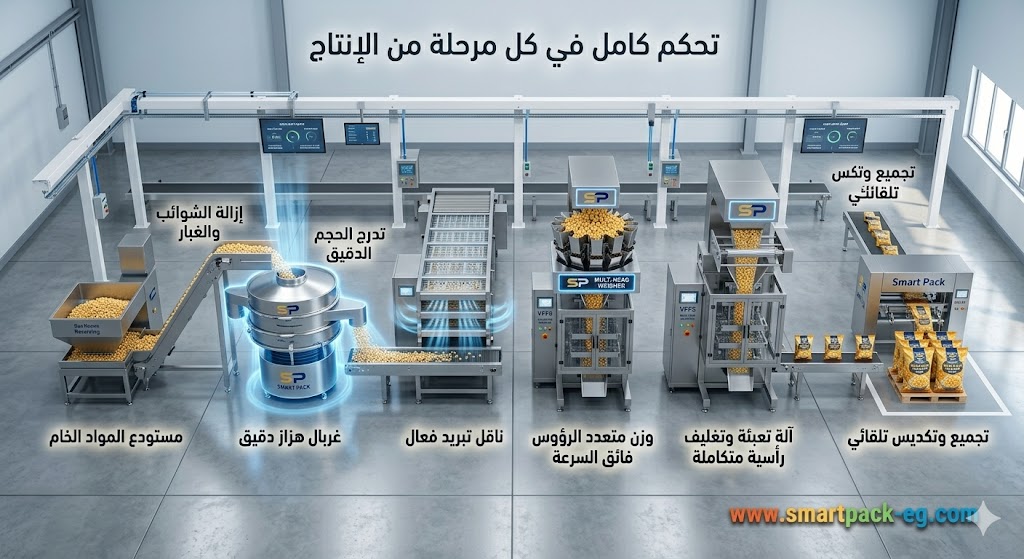
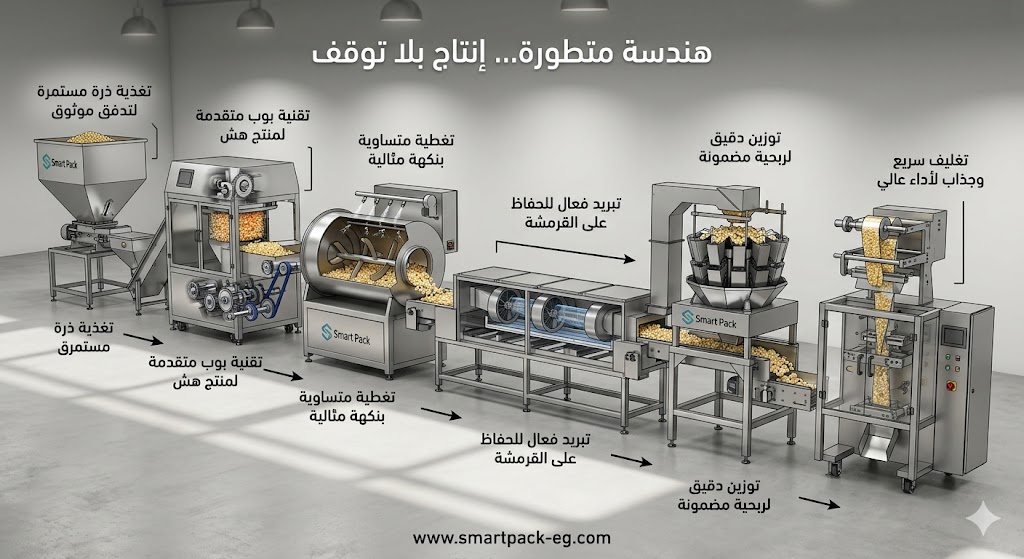
Modern production lines enable manufacturers to:
Precisely control oil and salt quantities
Ensure uniform flavor distribution without clumping
Reduce fat content significantly
Maintain consistent quality across all batches
Easily switch between multiple healthy flavor profiles
Here, technology is not a cost — it is a profit tool.
Examples of Safer and More Profitable Popcorn Alternatives
Light popcorn with sunflower oil
Butter-free popcorn with low sodium
Popcorn seasoned with natural herbs (thyme, mild paprika)
Popcorn designed for children and families
Pregnancy-friendly popcorn with natural flavors
Each product opens access to a new and loyal market segment.
SEO-Optimized Comparison Tables
Industrial Popcorn Type | Safety Level for Pregnancy | Market Acceptance | Profit Value
Traditional butter popcorn | Low | Medium | Limited
Low-sodium popcorn | High | Strong | Higher
Vegetable-oil popcorn | Very High | Very Strong | High
Additive-free popcorn | Very High | Excellent | Premium
Popcorn Production Line Type | Quality Control Level | Ability to Develop Healthy Products
Traditional legacy line | Limited | Weak
Advanced production line | High | Excellent
Marketing Impact of Developing Pregnancy-Safe Popcorn
Strong trust among families
Easy entry into pharmacies and health stores
Ability to market the product as “safe”
Higher pricing with low resistance
Long-term brand loyalty
Health has shifted from a cost into a competitive advantage.
Market Snapshot
Global growth of healthy snack consumption
Increasing demand for pregnancy-safe foods
Limited competition in healthy popcorn categories
Strong willingness to pay for safety
High export potential in Gulf markets
Cost and Profitability Analysis
Slight increase in raw material cost
Lower return rates and fewer complaints
Noticeably higher selling price
Fast turnover due to family-wide acceptance
Expected Results
Net profit margins between 45% and 65%
Faster expansion across sales channels
Long-term enhancement of factory reputation
Why Professional Packaging Lines Are Essential
Healthy popcorn success is incomplete without precise packaging that preserves crispness and communicates trust.
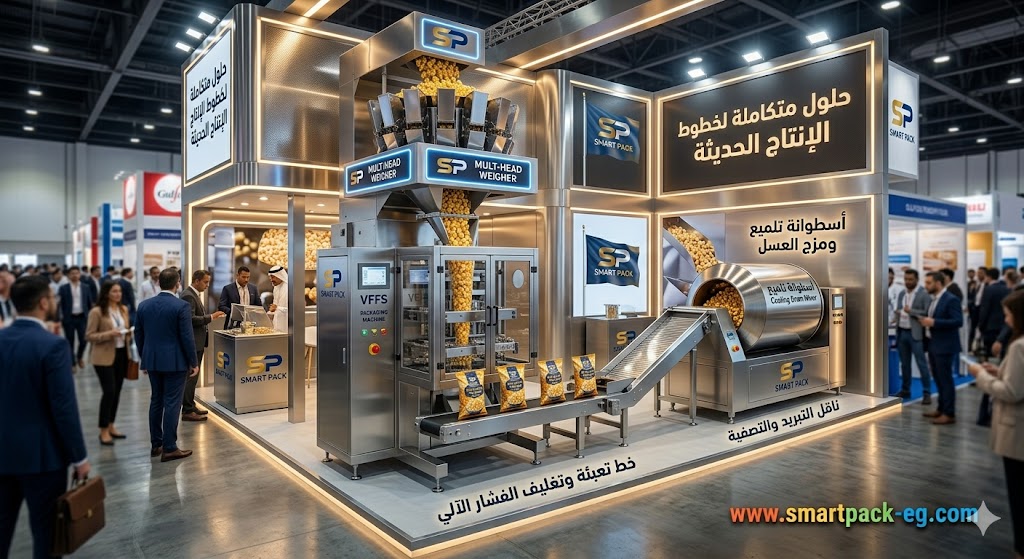
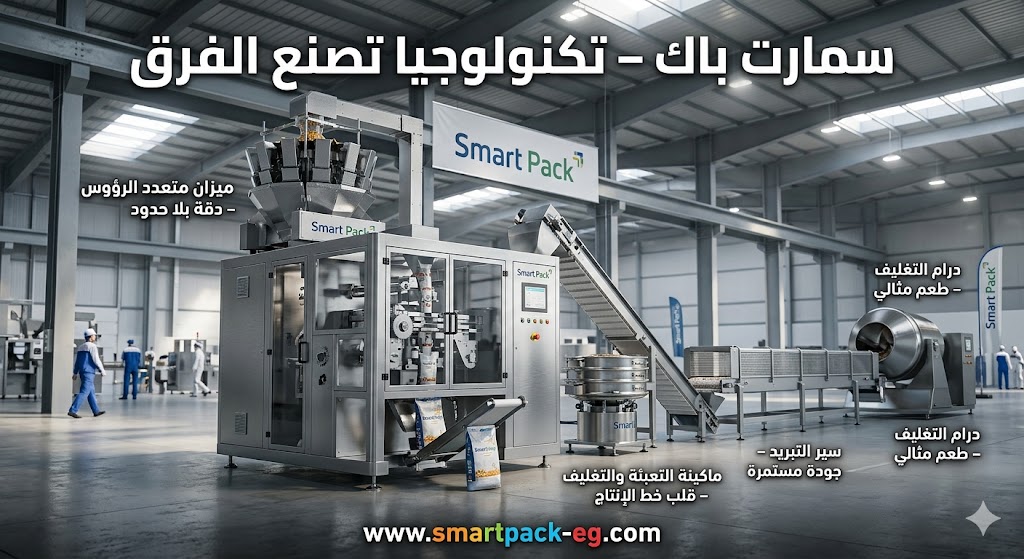
This is where Smart Pack plays a key role by providing:
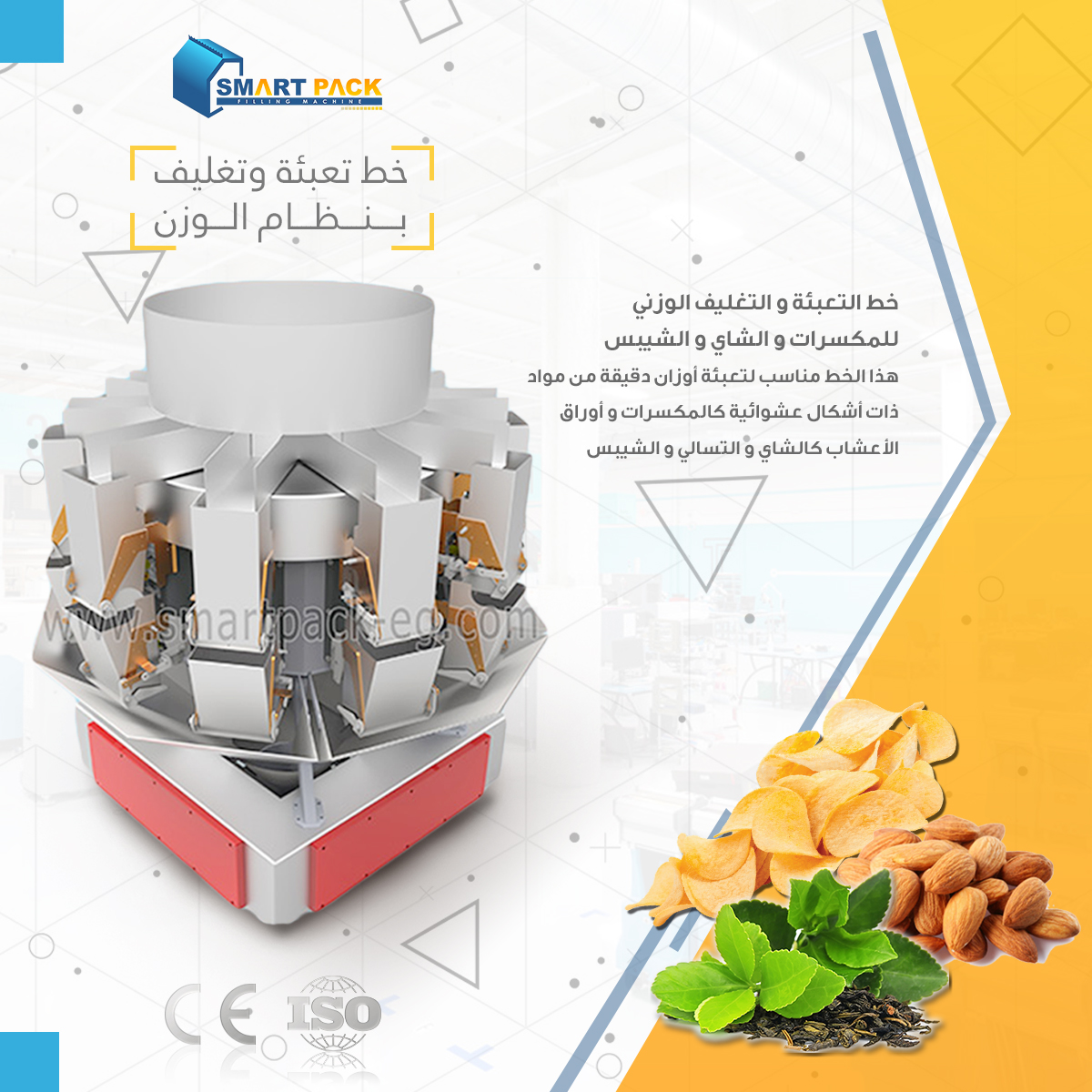
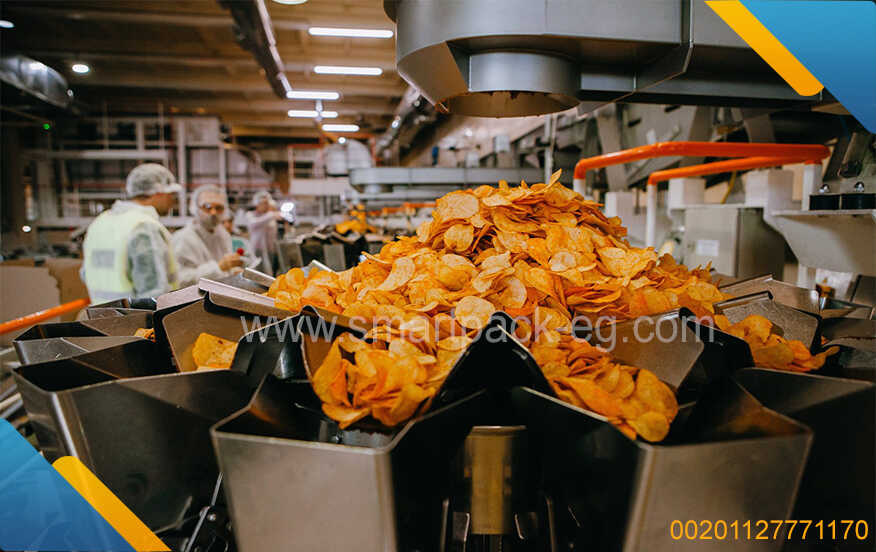
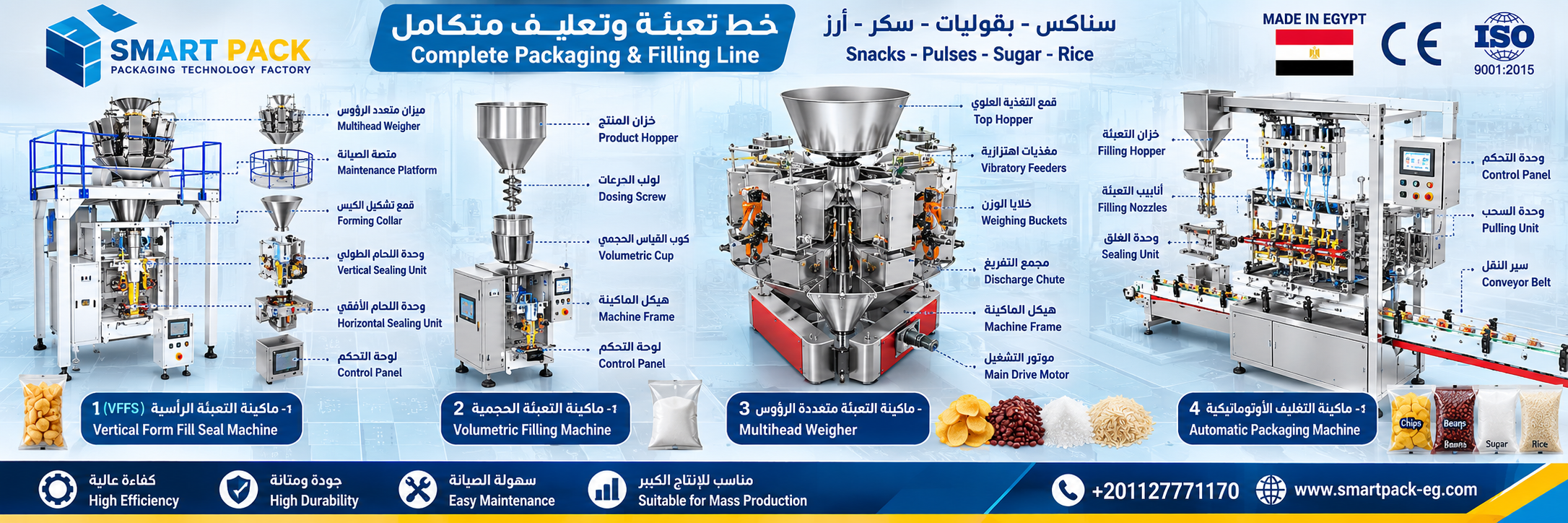
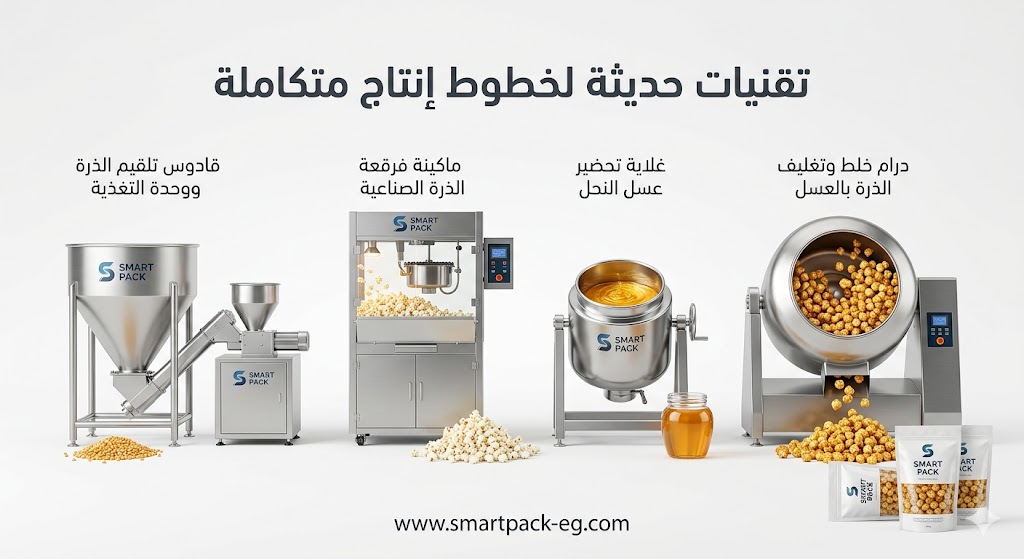
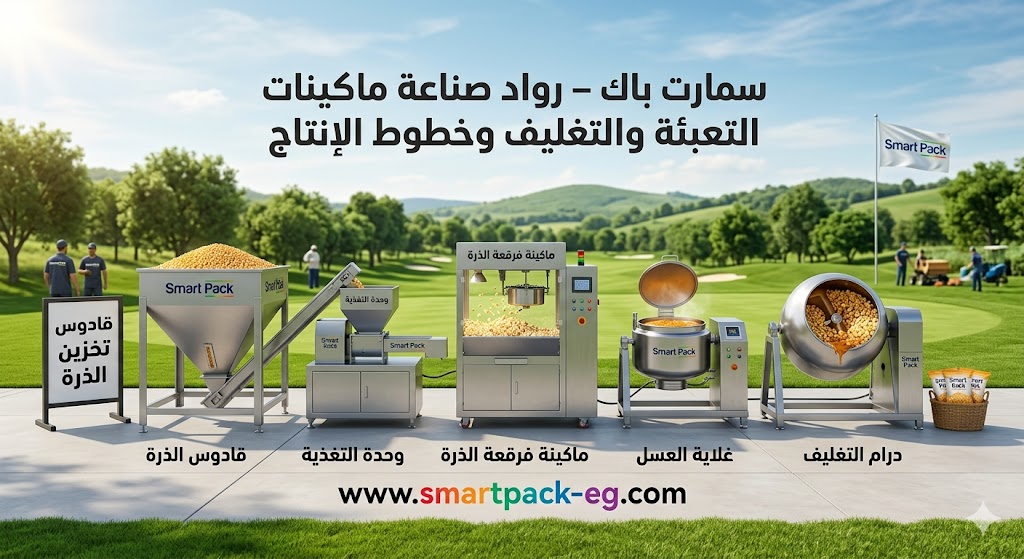
High-precision popcorn filling and packaging machines
Flexible production lines for healthy snack products
Accurate weighing systems for portion control
Packaging solutions that protect quality and nutritional value
Scalable equipment ready for export growth
Frequently Asked Questions
Is popcorn completely forbidden for pregnant women?
No, but low-sodium and low-fat options are strongly preferred.
Does healthy popcorn actually sell well?
Yes, it achieves higher prices and stronger customer loyalty.
Can it be produced on the same popcorn line?
Yes, with proper formulation and machine adjustments.
Is the market overcrowded?
The healthy popcorn segment is far less competitive.
What is the most important success factor?
Quality, transparency, and professional packaging.
The risks of popcorn for pregnant women do not mean abandoning the product — they call for industrial redesign.
Manufacturers that invest in advanced production lines and low-sodium, low-fat formulations not only protect consumers, but also create high-value products aligned with global health trends, achieving stronger margins and long-term market sustainability.