

 Admin
Admin How Tomato-Flavored Potato Chips Are Produced Using Modern Production Lines for Fast Market Entry and High Profit Margins
4
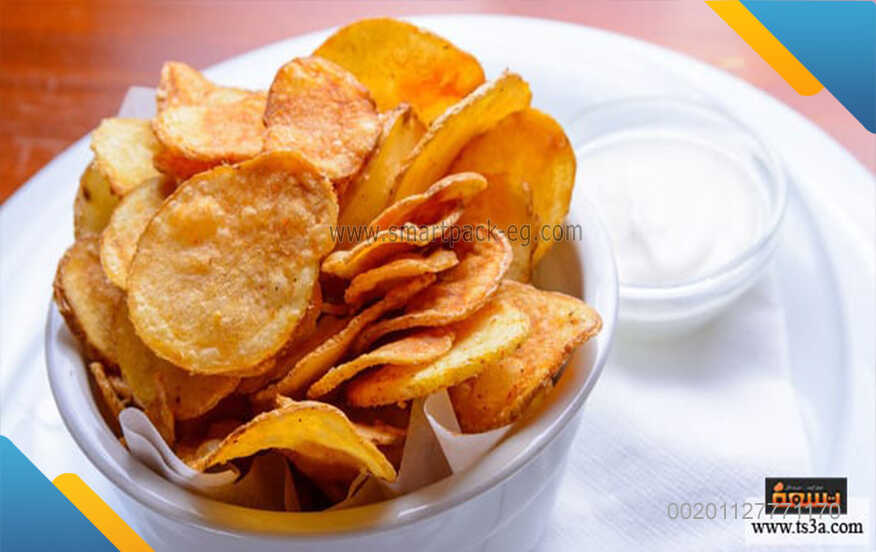
Tomato-flavored potato chips are among the most popular and widely accepted chip flavors in Arab and African markets, thanks to their balanced taste between acidity and saltiness and their broad appeal across all age groups.
Factories that rely on modern production lines and precision machinery can efficiently transform raw potatoes into high-quality, fast-moving tomato chips capable of achieving strong profit margins and rapid market penetration.
This guide explains how tomato-flavored chips are manufactured industrially, from both an operational and marketing perspective relevant to smart factories.
Why Tomato Chips Are Ideal for Fast Marketing
A familiar, well-loved flavor that requires minimal consumer education
Stable demand in popular markets and supermarkets
Suitable for children and young consumers
Flexible production in multiple pack sizes and price points
Lower flavoring cost compared to complex seasonings
Easy expansion into spicy or smoked variants
These factors make tomato chips a strong entry product for any potato chips factory.
Core Raw Materials for Tomato Chips Production
Low-sugar processing-grade potatoes
High-stability food-grade frying oil
Fine food-grade salt
Dehydrated industrial tomato powder
Food-grade flavor enhancers (depending on formulation)
Multi-layer packaging materials
The quality of tomato powder is the key differentiator in flavor success.
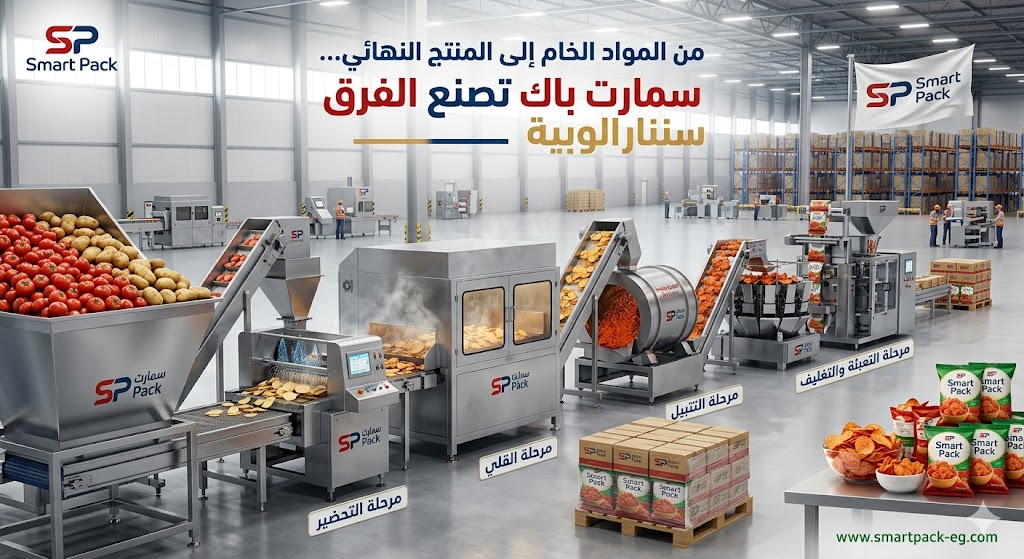
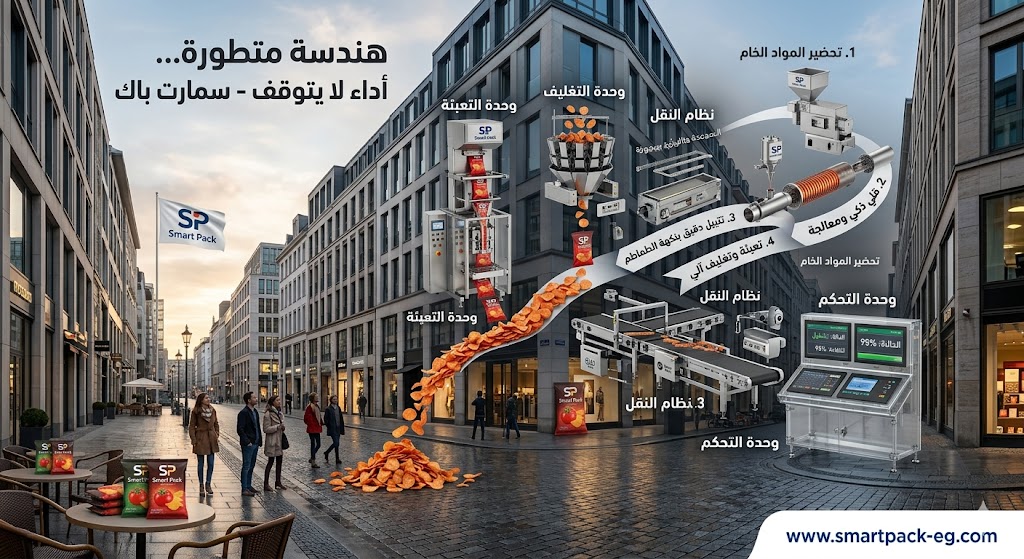
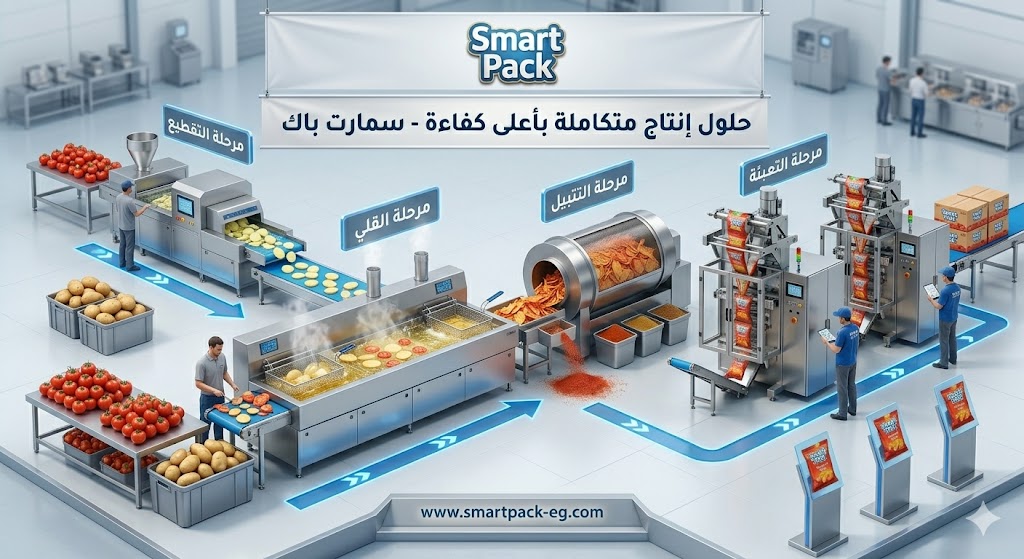
Industrial Tomato Chips Manufacturing Stages
1. Potato Receiving and Sorting
Selecting uniform potato sizes
Rejecting damaged or high-moisture potatoes
2. Industrial Washing and Peeling
Removing dirt and skins
Reducing waste and improving appearance
3. Precision Slicing
Uniform slice thickness
Ensuring consistent crispiness
4. Washing and Starch Removal
Improving frying color
Reducing oil absorption
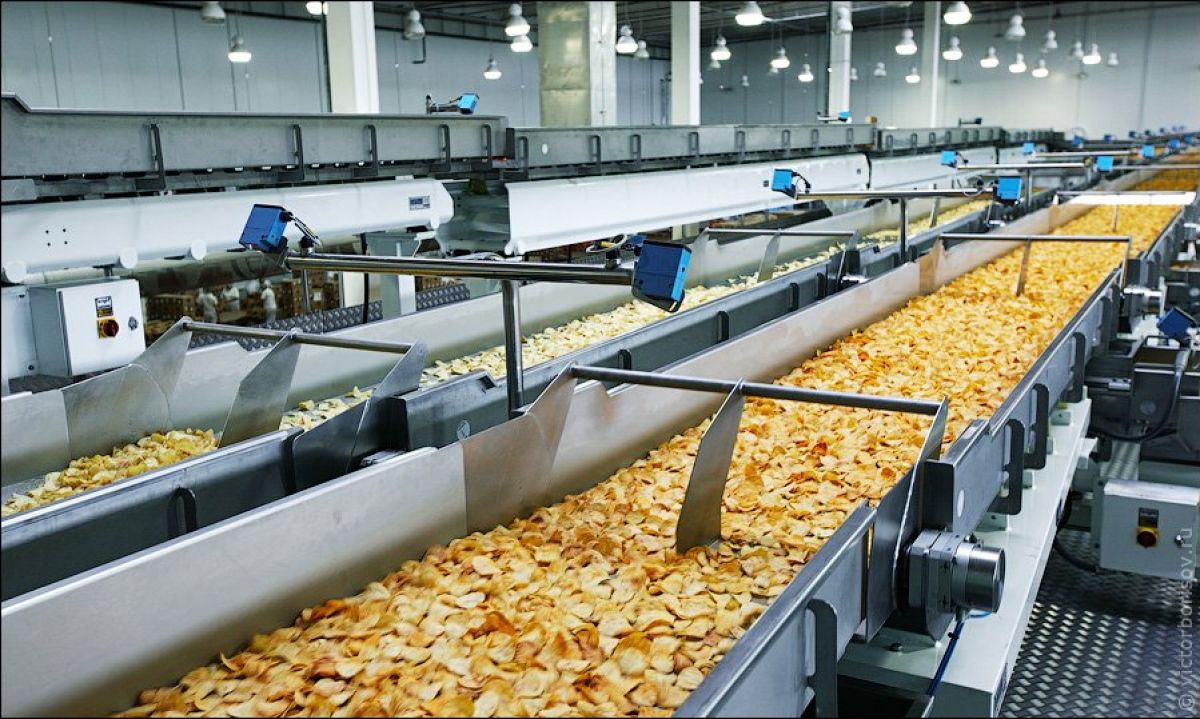
5. Controlled Industrial Frying
Continuous frying at stable temperatures
Achieving a uniform golden color
6. Excess Oil Removal
Centrifugal or vibration systems
Lower fat content and improved texture
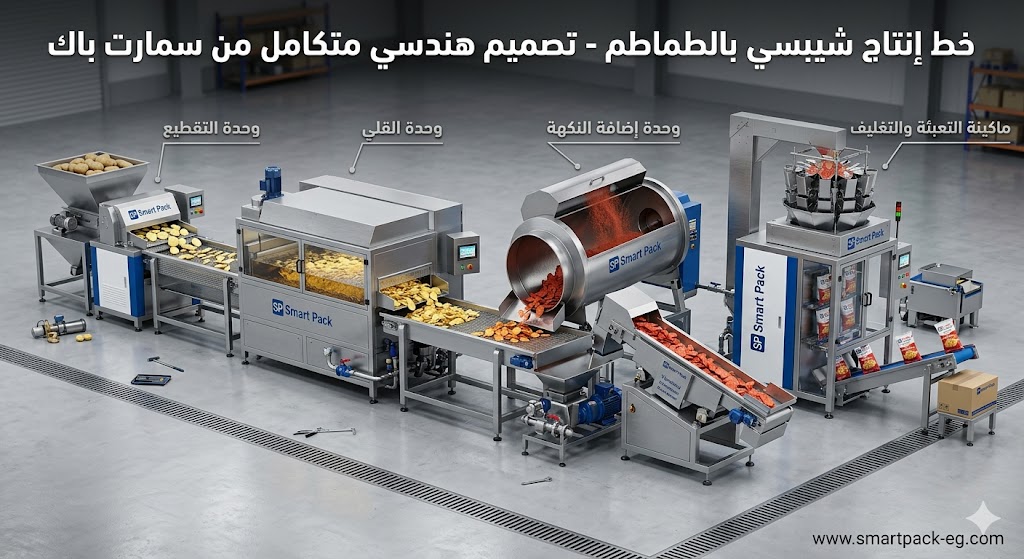
7. Tomato Chips Seasoning
Passing chips through a seasoning drum
Applying tomato powder and salt blend
Ensuring even flavor distribution
8. Cooling Before Packaging
Stabilizing crispiness
Preventing moisture condensation
9. Final Packaging
Automatic filling
Airtight sealing to preserve flavor and crunch
Industrial Tomato Chips Flavor Formulation
High-concentration dehydrated tomato powder
Fine food-grade salt in controlled ratios
Light food-grade sugar to balance acidity
Paprika for attractive color
Garlic and onion powder for rounded taste
Umami flavor enhancers in safe, regulated levels
A balanced formulation prevents sharp acidity and increases repeat purchases.
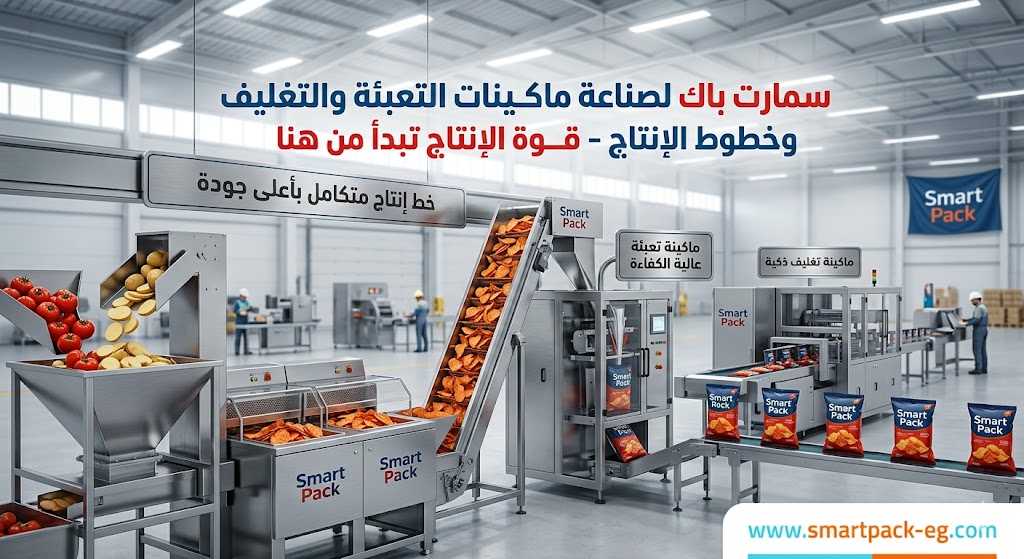
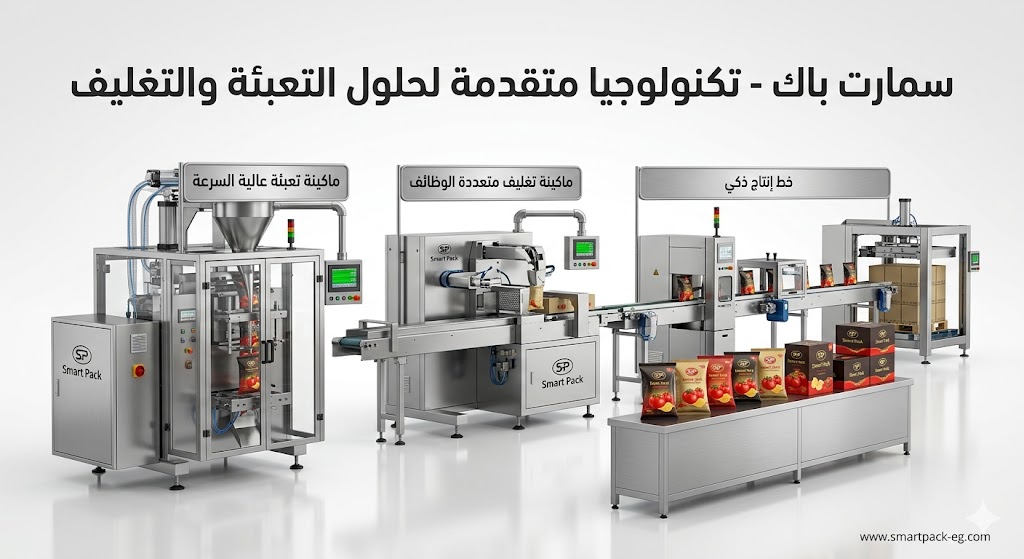
Machines Used in Tomato Chips Production Lines
5
Industrial potato washing and peeling machine
Industrial potato chips slicing machine
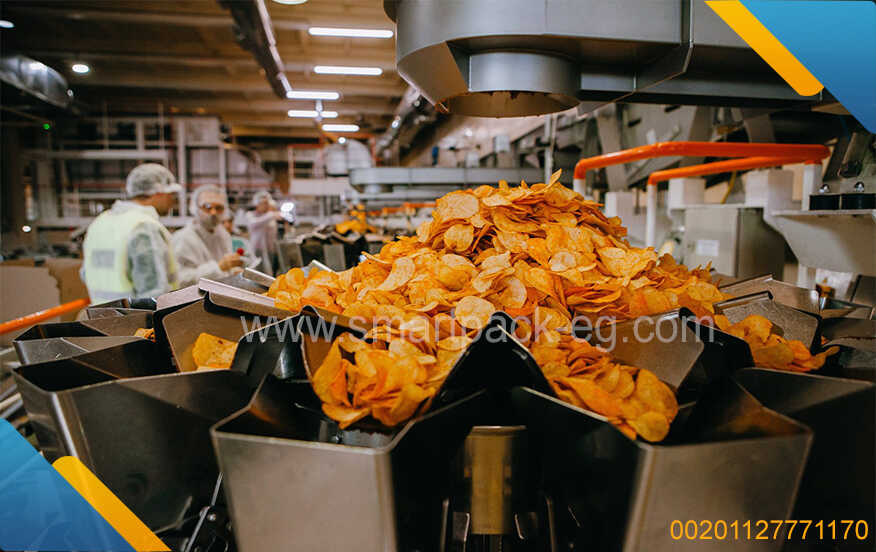
Continuous potato chips frying line
Excess oil removal system
Chips seasoning drum
Industrial cooling system
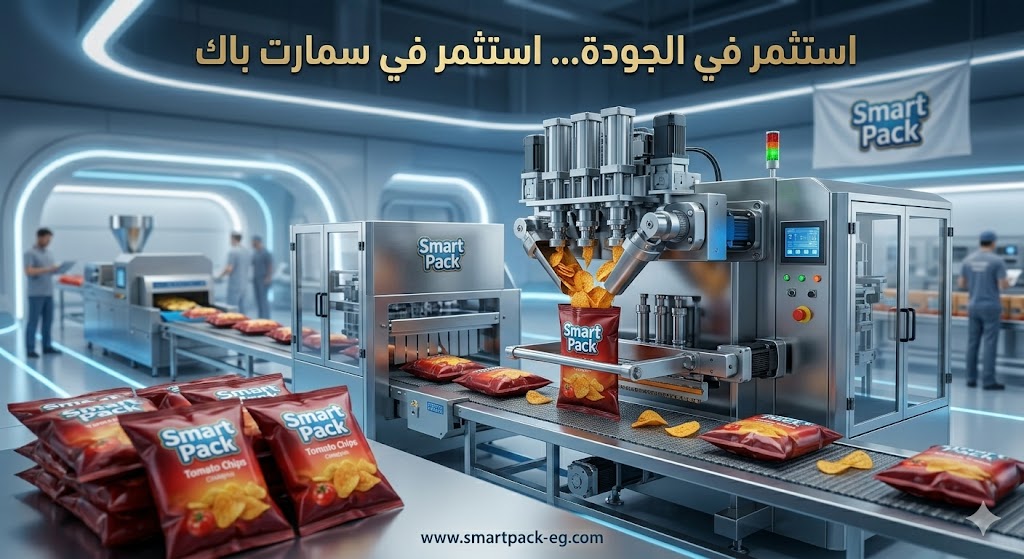
Automatic chips filling and packaging machine
The integration of these machines ensures stable, high-speed, and consistent production.
Key Specifications of a Modern Tomato Chips Production Line
Precise temperature control during frying
Lower oil consumption
Fast flavor changeover
Continuous high-capacity operation
Reduced manual labor
Export-ready configuration
SEO-Optimized Comparison Tables
Tomato Chips Production Stage | Machine Used | Quality Impact
Potato slicing | Chips slicing machine | Uniform thickness
Continuous frying | Industrial chips fryer | Consistent color
Tomato seasoning | Chips seasoning drum | Balanced flavor
Packaging | Chips packaging machine | Longer shelf life
Tomato Chips Production Line Type | Automation Level | Market Speed
Semi-automatic line | Medium | Fast market entry
Fully automatic line | High | Expansion and export
Brief Market Study
Tomato flavor is among the top-selling chip flavors
High demand in popular retail markets
Strong acceptance among children
Easy distribution in kiosks and grocery stores
Strong export potential to African markets
Cost and Profitability Analysis
Raw potato costs
Oil and energy costs
Tomato powder and seasoning costs
Packaging and labeling costs
Expected Results
Net profit margins between 30% and 50%
Fast product turnover
Relatively short payback period
Industrial Tips to Increase Profit Margins
Source stable, industrial-grade tomato powder
Optimize seasoning ratios to reduce waste
Use cost-efficient packaging for small pack sizes
Launch multiple pack weights
Improve frying efficiency to reduce oil usage
The Role of Packaging in Tomato Chips Success
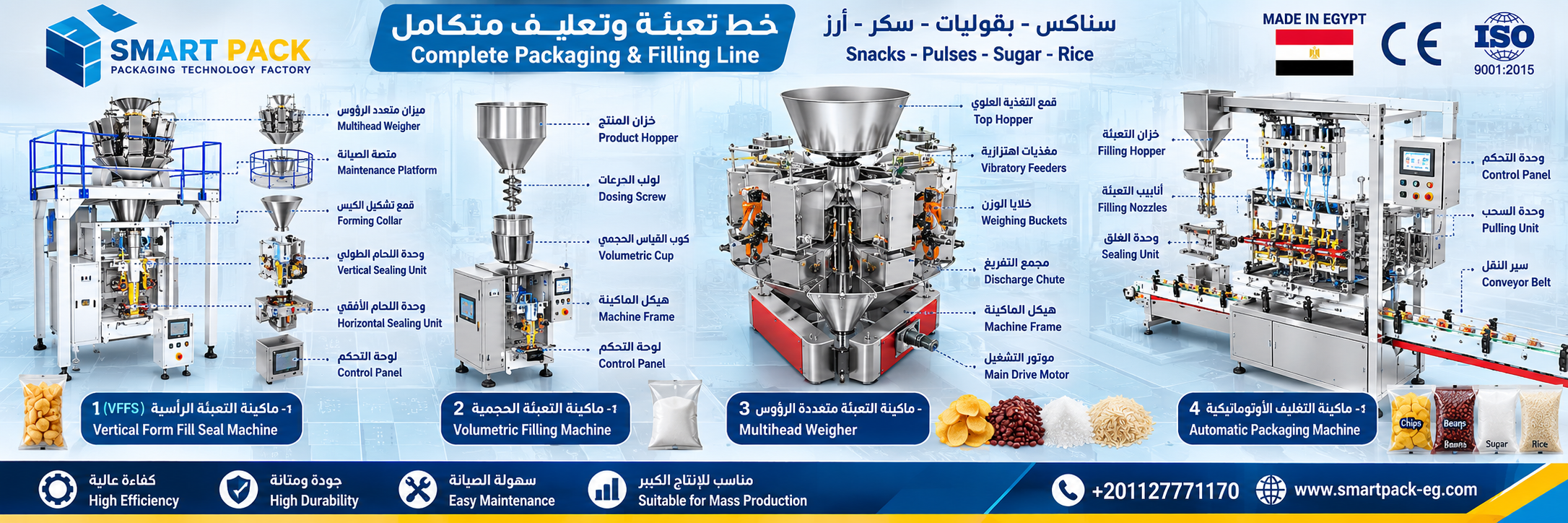
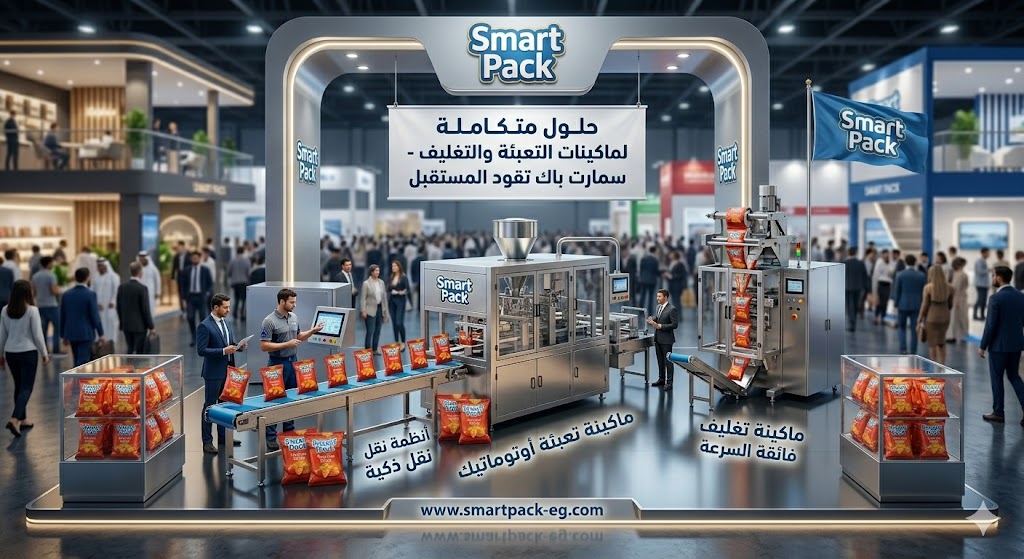
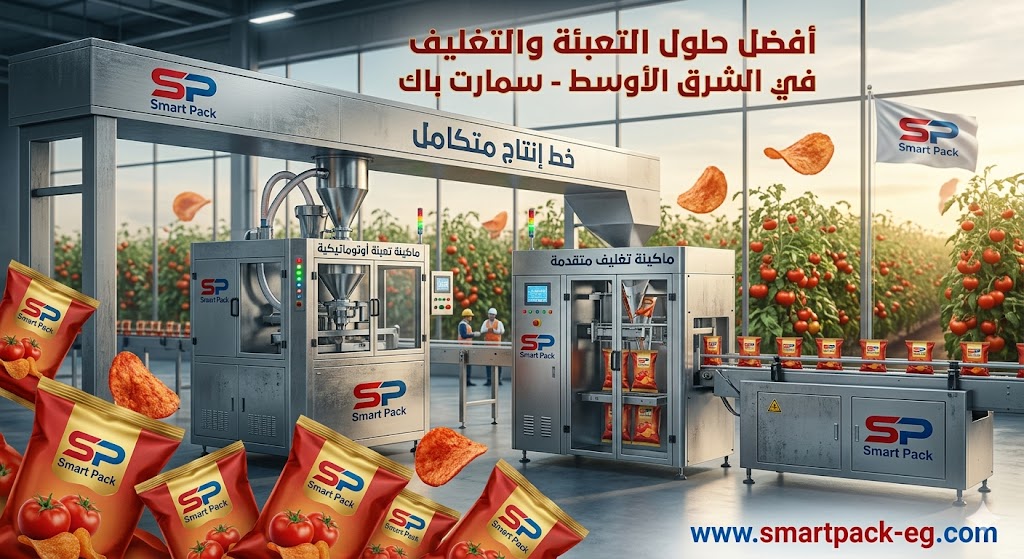
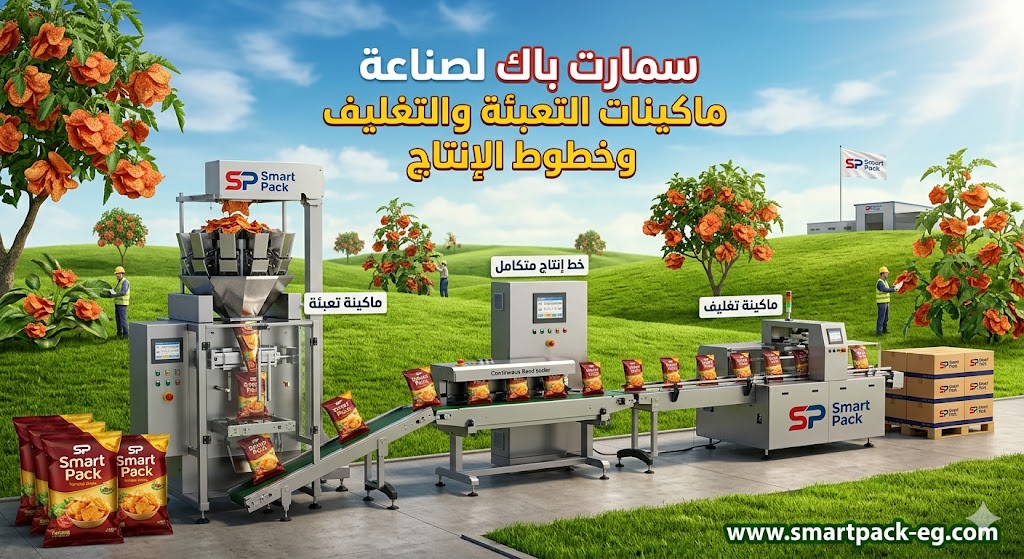
Packaging is critical for preserving crispiness and flavor. Cooperation with Smart Pack provides:
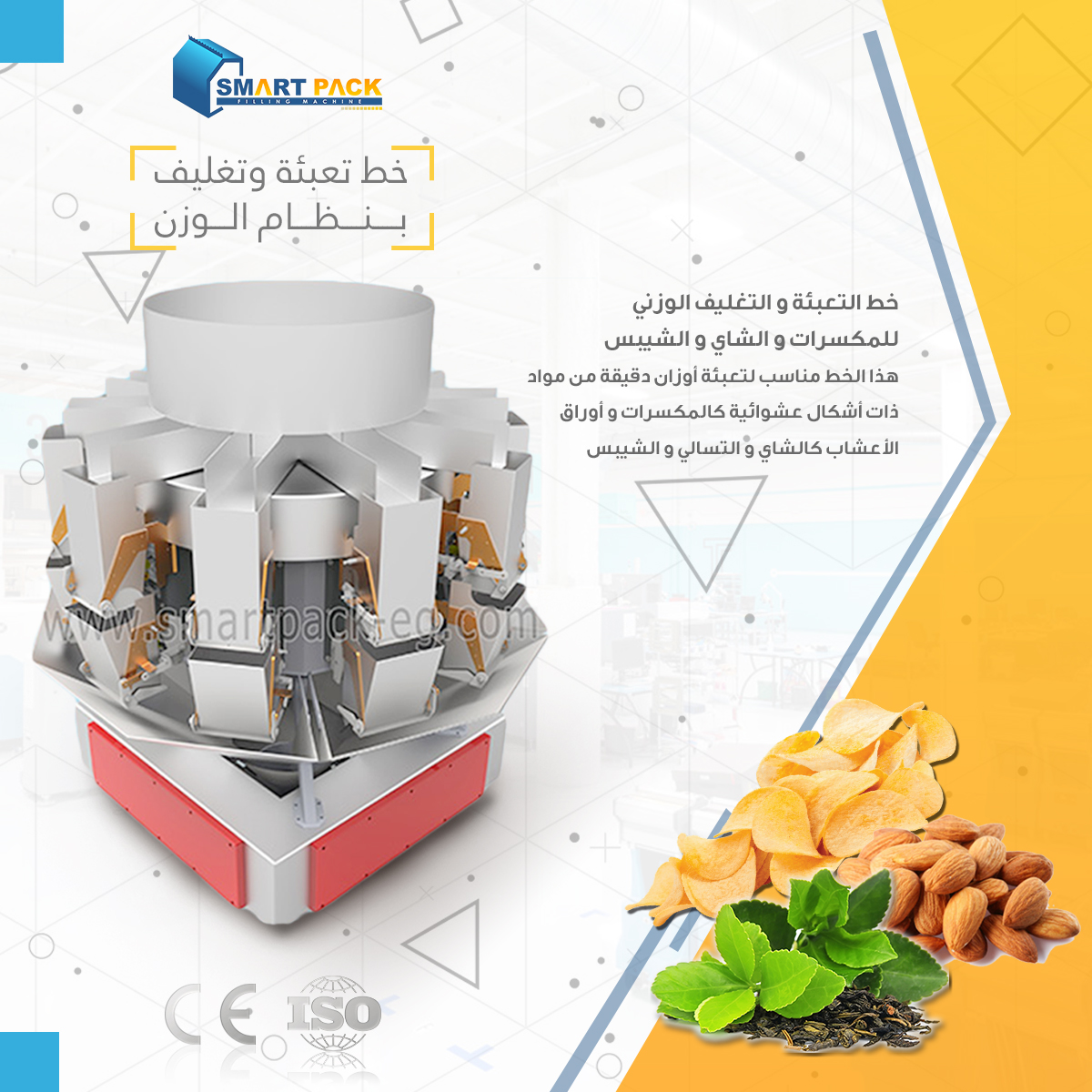
High-speed chips filling and packaging machines
Flexible packaging lines for multiple bag sizes
High-precision weighing systems to reduce product loss
Packaging solutions that maintain crunchiness
Equipment designed for expansion and export
Frequently Asked Questions
Are tomato chips faster-selling than other flavors?
Yes, due to their familiar and widely accepted taste.
Can a spicy version be added?
Yes, easily, without changing the production line.
Is this project suitable for small factories?
Very suitable, starting with a semi-automatic line.
What is the most important factor for flavor success?
Balancing acidity, saltiness, and tomato powder quality.
Is export possible?
Yes, with airtight packaging and consistent quality.
Producing tomato-flavored potato chips using modern production lines is not just a manufacturing process—it is a high-demand, fast-moving food business.
Factories that invest in precision machinery, balanced flavor formulation, and professional packaging can achieve rapid market entry, strong profit margins, and scalable growth.
Tomato chips are a smart product for launching and expanding confidently in the snack food industry.