

 Admin
Admin The Best Kabsa and Stew Spice Blends with an Industrial Formula that Increases Product Value and Profit Margins
4
Kabsa and stew spice blends are not just traditional flavors—they are value drivers capable of transforming an ordinary spice product into a high-margin, fast-moving brand.
Smart manufacturers succeed by developing stable industrial formulations that satisfy Gulf and Arab taste preferences, operate efficiently on machinery, and scale smoothly without compromising quality.
The result is a product that is easier to market, generates fewer complaints, and delivers a higher profit margin.
Why Kabsa and Stew Spices Are a High-Return Food Manufacturing Opportunity
Daily, widespread consumption in homes and restaurants
Stable, non-seasonal demand
Moderate raw material costs with strong selling prices
Scalability through multiple versions (retail, foodservice, export)
Easy storage and long shelf life
Flexible packaging sizes for wider market penetration
These factors make this category ideal for small, medium, and large-scale factories.
The Sensory Foundation of a Successful Industrial Formula
Aromatic depth without excessive sharpness
Balanced warmth with mild sweet spices
Consistent flavor across production batches
Good dissolution and even distribution during cooking
Reduced salt in favor of deeper flavor complexity
Balanced taste directly translates into higher repeat purchases.
Core Ingredients in the Best Industrial Kabsa Spice Blend
Industrial-Grade Ground Cardamom
A key aromatic component
Used in precise ratios to avoid overpowering
Directly influences sensory acceptance
Cinnamon and Cloves in Controlled Ratios
Provide warmth and depth
Overuse disrupts balance
Function as supporting ingredients
Ground Dried Black Lime (Loomi)
A signature Gulf flavor
Reduces richness and enhances meat taste
Must be evenly dried and ground
Ground Cumin and Coriander
A stable flavor base
Balance intensity
Easy to process industrially
Black Pepper
Gentle, progressive heat
Enhances flavor without irritation
Ground Bay Leaf (Optional)
Soft aromatic touch
Ideal for foodservice versions
Balanced Industrial Stew Spice Components
Ground coriander as a base
Ground cumin for depth
Turmeric for color and visual appeal
Black or white pepper for mild heat
Garlic and onion powder for a home-style profile
Ground ginger for gentle warmth
The goal is to support the main ingredient of the stew without overpowering it.
How to Design an Industrial Formula That Increases Profit Margins
Standardize grinding size across all ingredients
Control moisture to reduce machine downtime
Fix ratios of high-impact ingredients
Test sensory acceptance across multiple applications
Produce retail and foodservice versions from the same base
Reduce high-cost ingredients without affecting flavor
Every optimization step reduces waste and improves profitability.
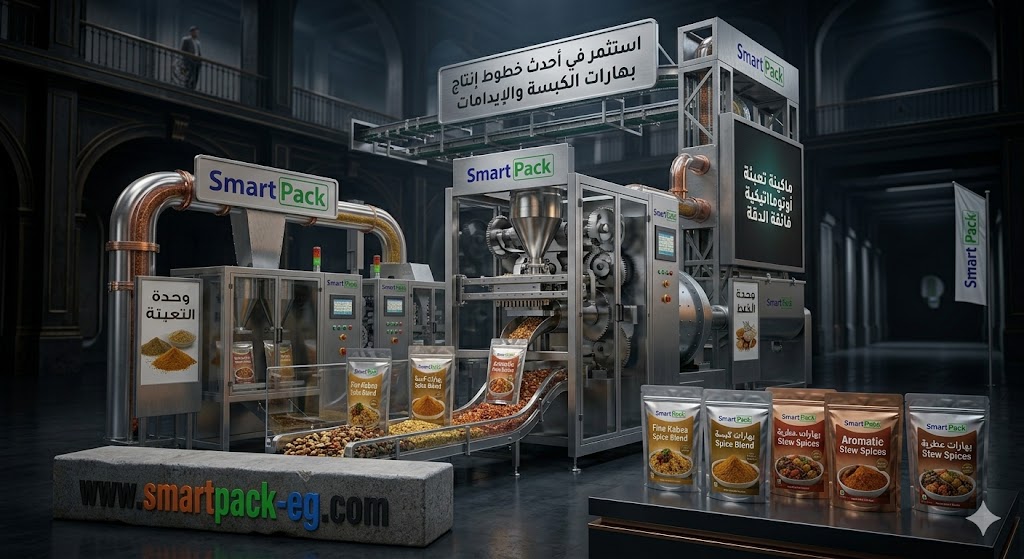
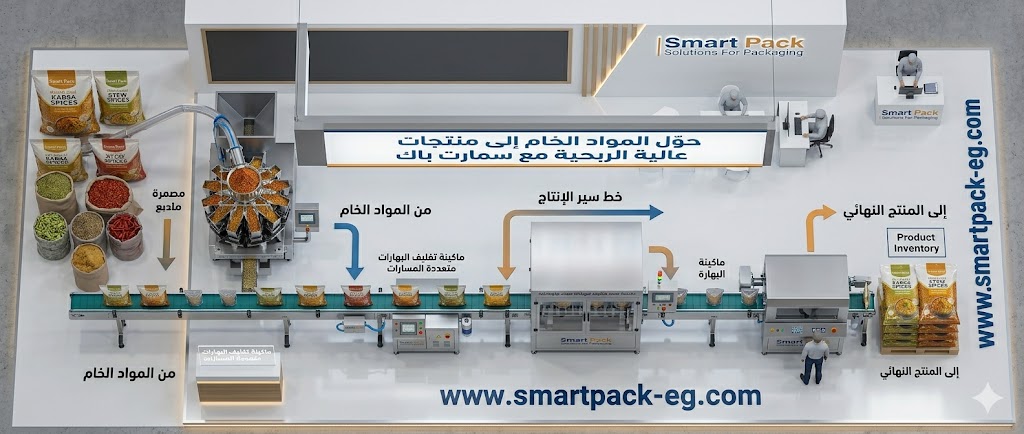
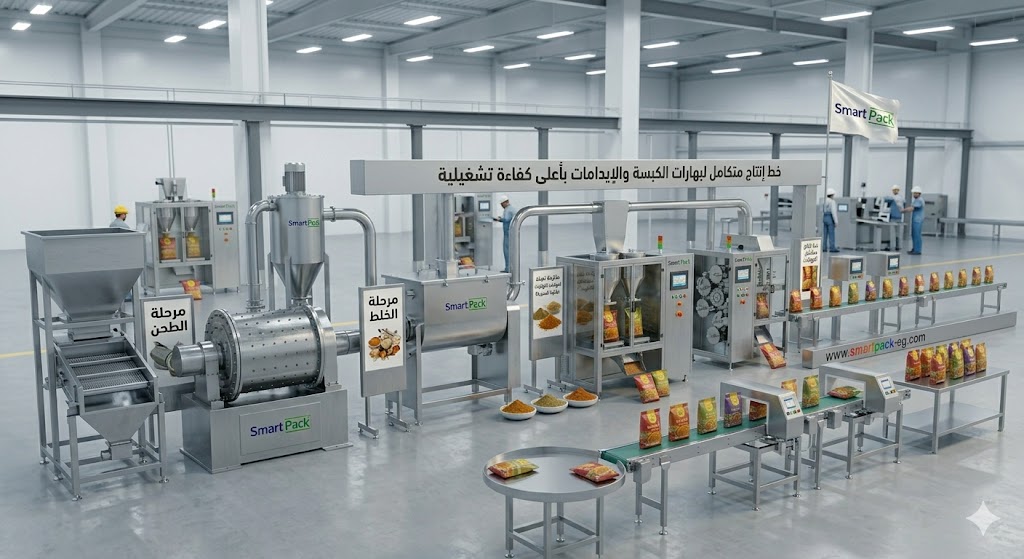
Kabsa and Stew Spice Production Line Specifications
4
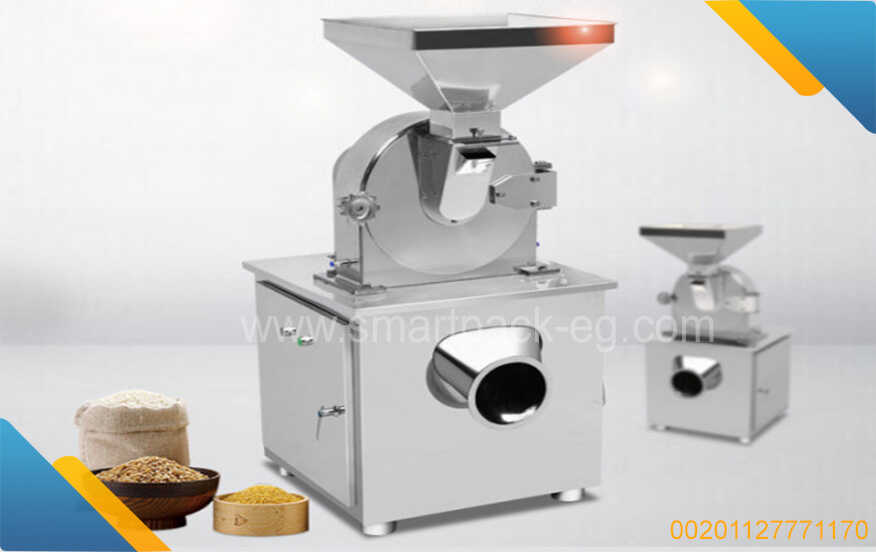
Multi-stage industrial spice grinding machines
High-homogeneity food powder mixers
Sieving systems for particle size uniformity
Humidity control units
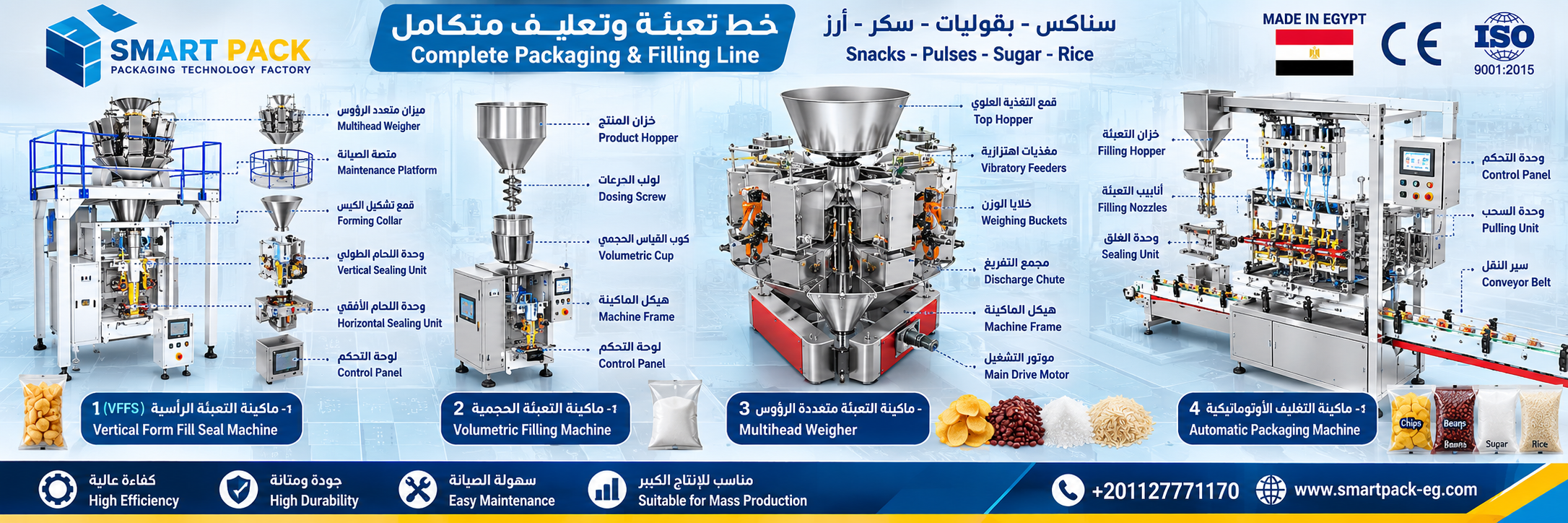
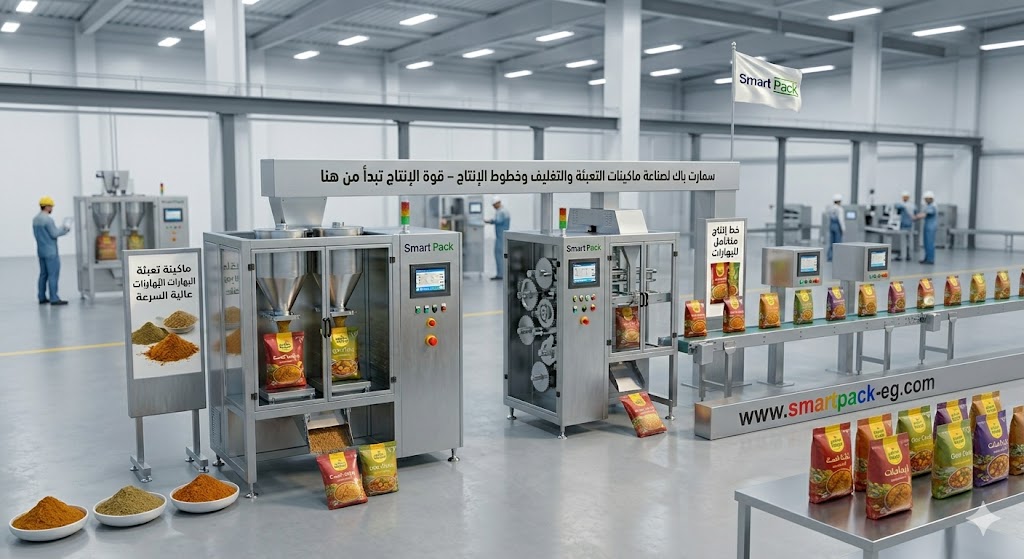
Powder filling and packaging machines
High-precision weighing systems to minimize waste
These specifications improve operational efficiency and lower unit costs.
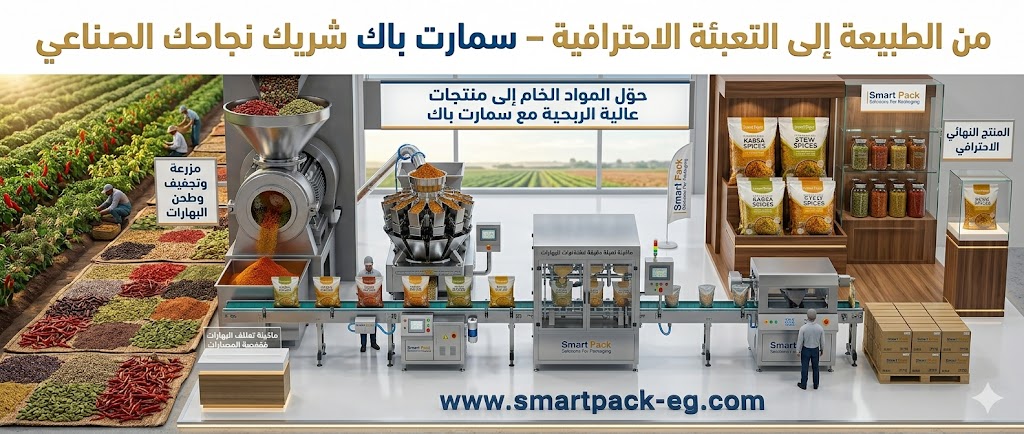
Factory Processing Stages
Receiving and sorting raw spices
Additional drying when necessary
Separate grinding of each ingredient
Sieving to control texture
Blending according to the approved formula
Flavor and stability testing
Transfer to filling and packaging
Grinding and mixing control is the foundation of product consistency.
SEO-Optimized Comparison Tables
Industrial Kabsa Spice Type | Formula Profile | Target Market | Expected Market Value
Balanced retail Kabsa spices | Aromatic depth without sharpness | Retail | High demand
Concentrated restaurant Kabsa spices | Strong, stable flavor | B2B | High profit margin
Export-grade Kabsa spices | Standardized formulation | International markets | High market value
Stew Spice Type | Industrial Flavor Characteristics | Scalability
Daily-use stew spices | Balanced, consistent taste | High
Foodservice stew spices | Higher concentration | Very high
Marketing Impact of a Smart Industrial Formula
Flavor consistency reduces complaints
Easier persuasion at retail points
Faster acceptance by restaurants
Ability to command higher prices for stable quality
Export readiness with minimal adjustments
Consistent taste is the fastest path to market expansion.
Brief Market Study
High and continuous consumption in Gulf markets
Expansion of traditional and modern restaurants
Growing demand for ready spice blends
Strong export opportunities for Arabic spice mixes
Room for new brands offering higher consistency
Cost and Profitability Analysis
Raw spice material costs
Grinding and blending costs
Packaging and labeling costs
Operating and distribution expenses
Expected Results
Net profit margins between 40% and 60%
High product turnover
Scalability through multiple product versions
Industrial Tips to Increase Profitability
Do not randomly increase cardamom levels
Monitor moisture daily
Invest in sieving to reduce waste
Design formulations to match machine capabilities
Start with two core products, then expand
The Role of Machinery in Protecting Quality and Profit
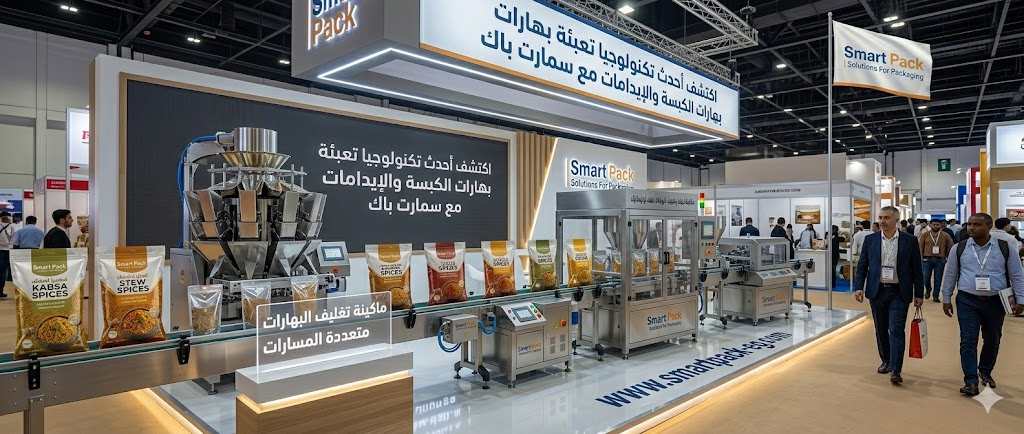
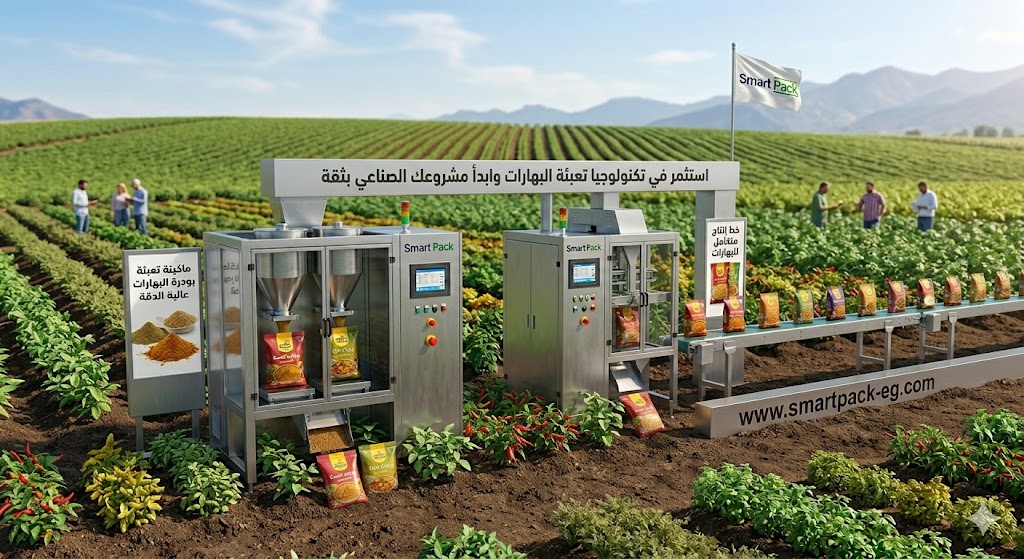
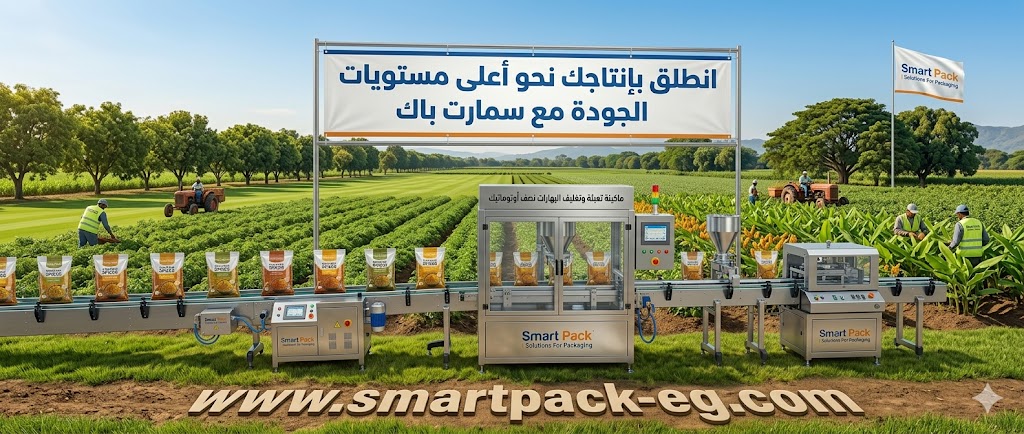
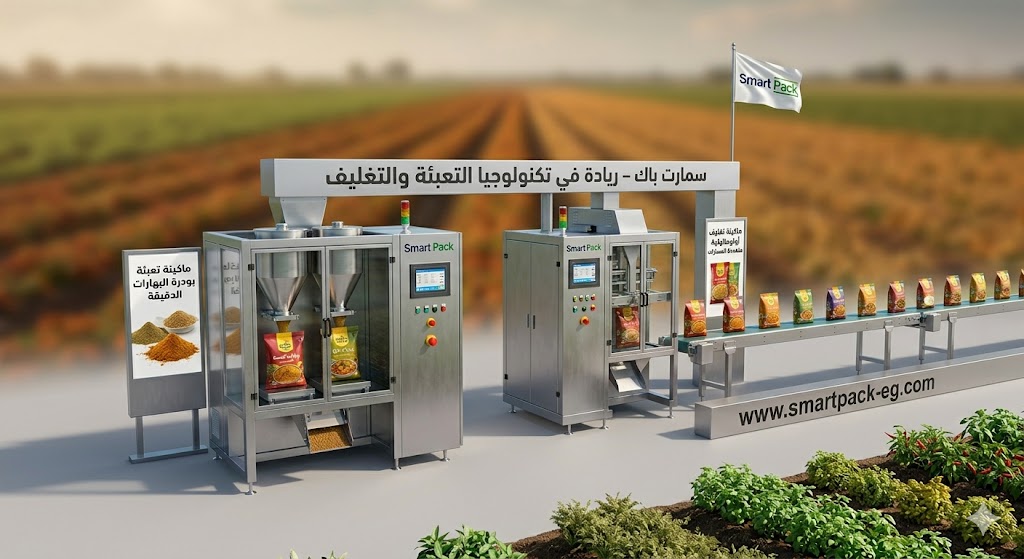
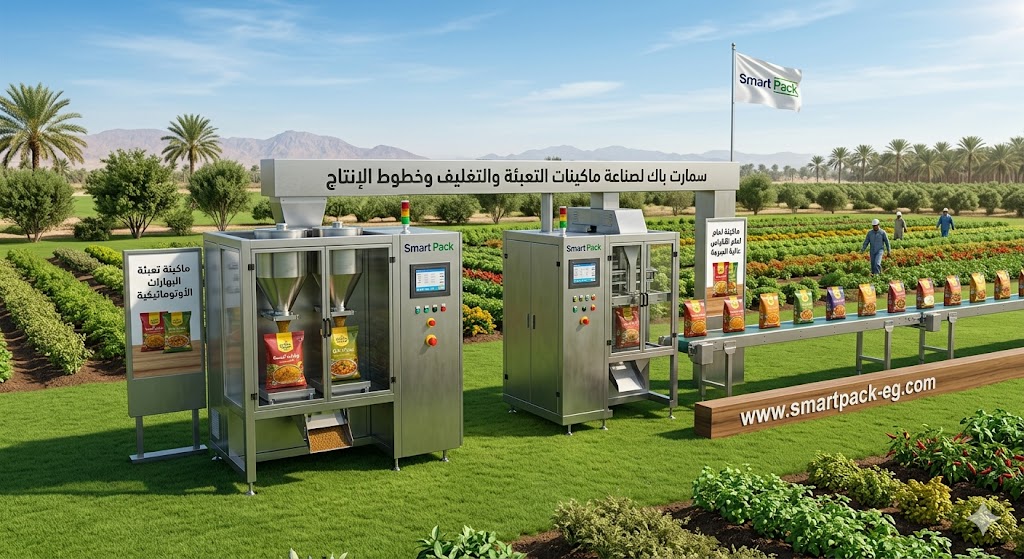
The success of Kabsa and stew spice blends depends on precise grinding, accurate mixing, and professional packaging. This is where collaboration with Smart Pack adds real value by providing:
Industrial spice grinding and mixing machines
High-precision food powder filling and packaging machines
Flexible, scalable production lines
Accurate weighing systems to reduce material loss
Technical support and operational expertise
Frequently Asked Questions
Can the same production line be used for multiple products?
Yes, only the formulation needs to change.
Is the market overcrowded?
Demand is high; consistency is the real differentiator.
Is the product suitable for export?
Very suitable with stable quality and proper packaging.
What is the key factor in increasing profit margins?
Reducing waste and improving machine efficiency.
Is this project suitable for startups?
Yes, with a scalable semi-automatic production line.
The best Kabsa and stew spice blends are not built on recipes alone, but on smart industrial formulations that serve both flavor and machinery.
Factories that invest in uniform grinding, precise blending, and professional packaging achieve higher-value products, easier market penetration, and stronger profit margins.
In the Arabic spice market, consistency is the most valuable currency.