








 Admin
Admin How to Identify Authentic Olive Oil According to Industrial Standards and Certified Tests
With the expansion of olive oil markets and rising local and export demand, distinguishing authentic olive oil from adulterated products has become a critical issue for manufacturers—not just consumers.
Factories operating according to industrial standards do not rely on color or taste alone, but on certified laboratory tests, precise chemical indicators, and documented sensory evaluations that guarantee a reliable product suitable for marketing and export.
This guide explains how manufacturers can scientifically and industrially identify authentic olive oil, far beyond inaccurate traditional methods.
Why Traditional Methods Are Not Enough to Identify Authentic Olive Oil
-
Color is not an indicator of quality or authenticity
-
Taste can be misleading due to processing or blending
-
Freezing tests in refrigerators are not scientific
-
Adulterated oils have become technologically advanced
-
Export markets only recognize certified analytical results
That is why professional manufacturers rely on measurable, documented, and internationally recognized standards.
First: Certified Industrial Standards for Authentic Olive Oil Classification
-
Oil must be obtained only by mechanical extraction, without solvents
-
No exposure to high temperatures during extraction
-
Compliance with Virgin or Extra Virgin Olive Oil specifications
-
Subjected to certified chemical and sensory tests
-
Full traceability from source to bottling
These conditions form the foundation before any laboratory analysis.
Second: Essential Chemical Tests for Authentic Olive Oil
Free Fatty Acidity
Extra virgin olive oil must not exceed 0.8% acidity. Higher levels indicate poor handling or degradation.
Peroxide Value
Measures oxidation level. Low values indicate a fresh and stable oil.
UV Absorption (K232 – K270)
Detects refined oils or blending with other vegetable oils.
Wax Content
High wax levels often indicate adulteration with lower-quality oils.
These tests are the first line of defense against industrial fraud.
Third: Certified Sensory Panel Test
-
Conducted by an accredited sensory panel
-
Evaluates flavor, aroma, and mouthfeel
-
Oil must be free from sensory defects
-
Results are officially documented
-
Used in final quality classification
A sensory test is mandatory for extra virgin olive oil classification.
Fourth: Additional Indicators of Non-Authentic Olive Oil
-
Inconsistency between chemical and sensory results
-
Variability between production batches
-
Heating or refining odors
-
Flat taste lacking bitterness or fruitiness
-
Failure in stability tests
These signs alert manufacturers to issues in sourcing or processing.
Comparative Table: Authentic vs. Adulterated Olive Oil
| Industrial Olive Oil Analysis Criteria | Authentic Olive Oil | Adulterated / Low-Quality Oil |
|---|---|---|
| Free Acidity Level | Below 0.8% | High or unstable |
| Peroxide Value | Low and stable | High or fluctuating |
| UV Absorption Test | Within standards | Outside limits |
| Certified Sensory Test | No defects | Clear defects |
| Export Eligibility | Very high | Rejected or low price |
| Certified Olive Oil Test Type | Industrial Purpose | Marketing Impact |
|---|---|---|
| Chemical analysis | Proof of authenticity | Strong export acceptance |
| Official sensory test | Virgin / Extra Virgin grading | Higher pricing |
| Stability testing | Long-term quality assurance | Importer confidence |
Fifth: How Manufacturers Use These Tests in Marketing
-
Supporting export documentation
-
Building brand credibility through transparency
-
Reducing complaints and returns
-
Strengthening importer trust
-
Confident premium pricing
Scientifically proven oil sells itself in international markets.
Sixth: The Relationship Between Packaging and Authenticity
Even authentic olive oil can lose value if:
-
Filled in transparent containers
-
Exposed to oxygen during filling
-
Bottled with low-precision machines
-
Sealing quality is not controlled
Packaging is therefore part of authenticity preservation.
Role of Industrial Filling Lines in Preserving Authentic Olive Oil
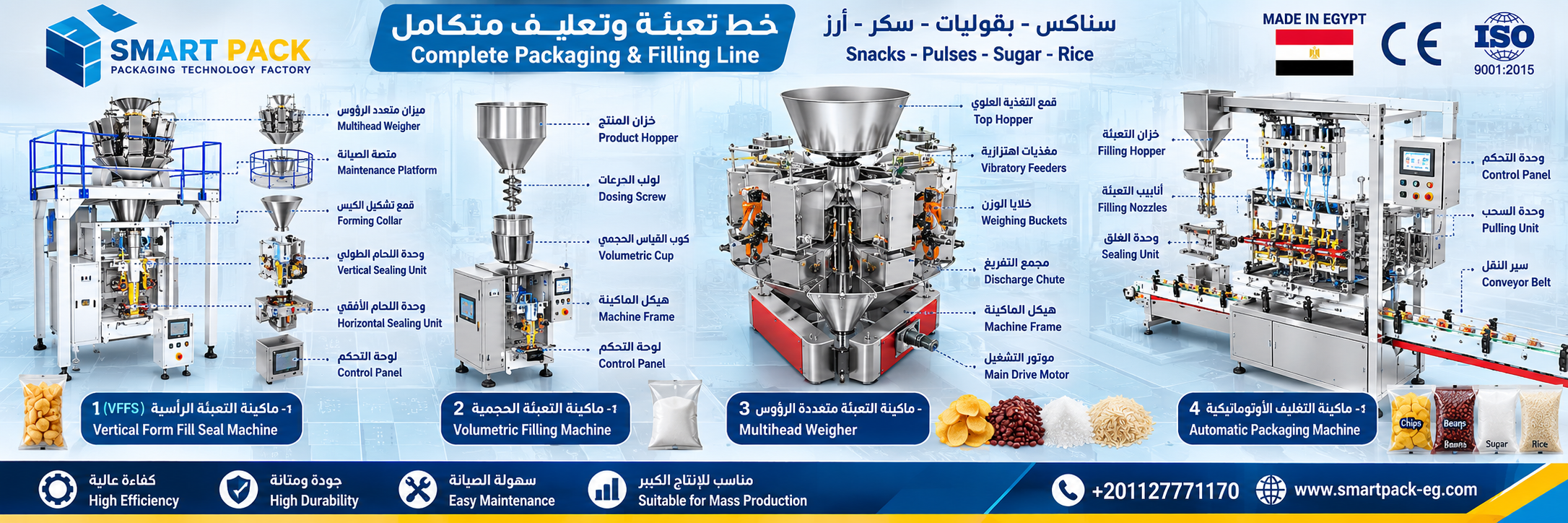
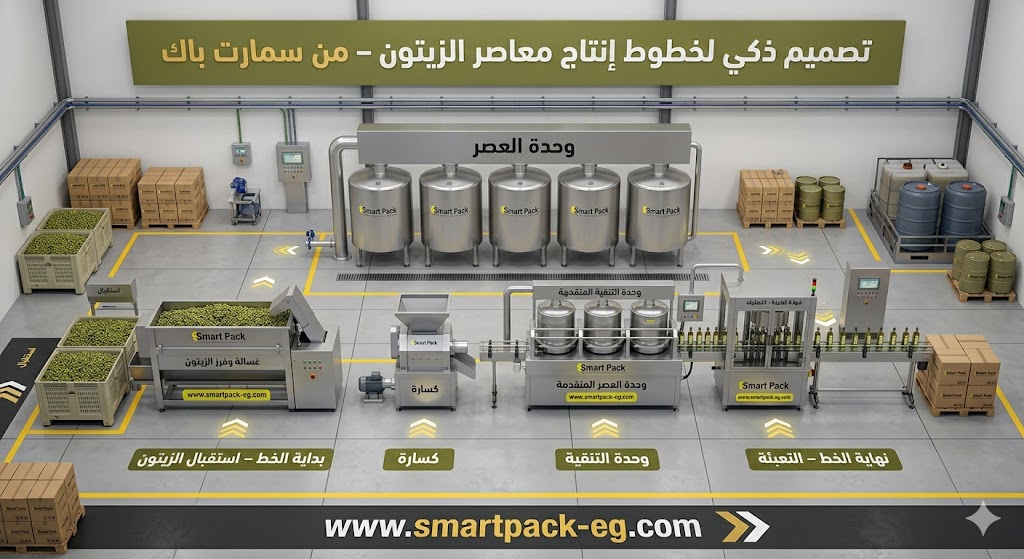
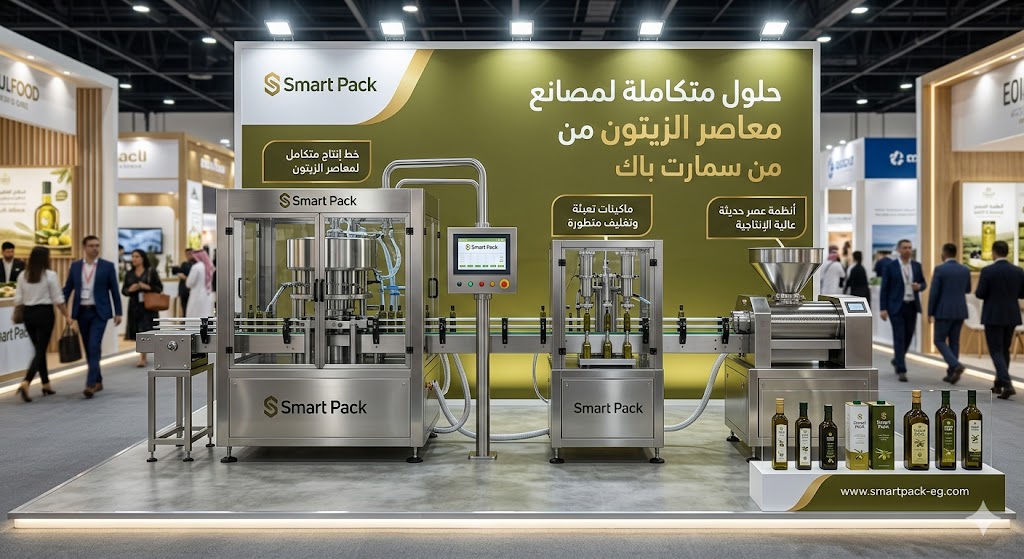
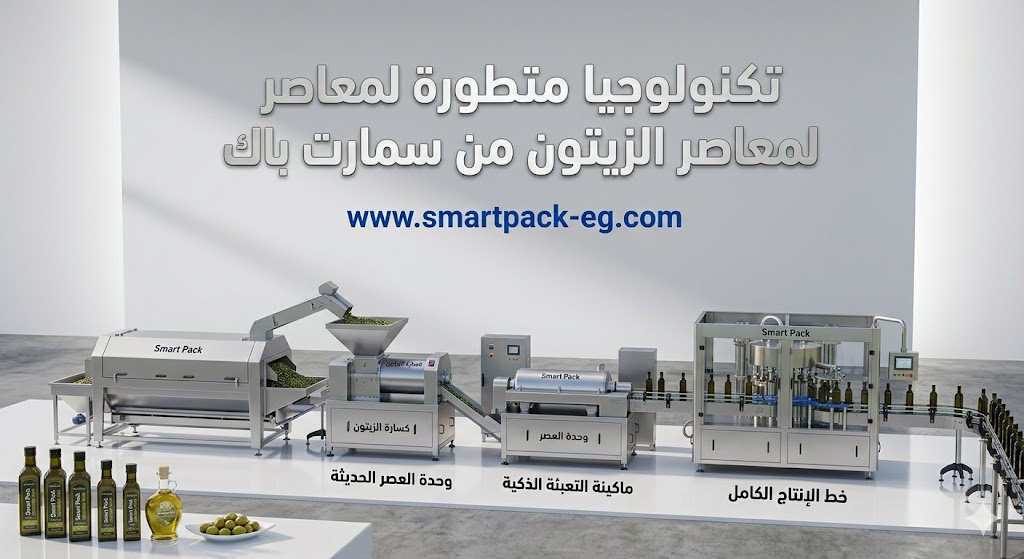
Here, collaboration with Smart Pack becomes essential, as it provides:
-
High-precision olive oil filling machines
-
Filling lines that minimize oxygen exposure
-
Export-grade packaging solutions
-
Hermetic sealing systems
-
Technical support for internationally compliant production lines
Proper filling ensures laboratory results remain valid until the product reaches the consumer.
Industrial Best Practices to Guarantee Authentic Olive Oil
-
Work only with trusted suppliers
-
Test every production batch
-
Maintain documented analysis records
-
Never blend batches without analysis
-
Invest in professional packaging
-
Review quality before every export shipment
Frequently Asked Questions
Can authentic olive oil be identified at home?
No. Only certified industrial tests are reliable.
Which test best proves authenticity?
Free acidity analysis combined with a sensory panel test.
Is authentic olive oil always expensive?
Not necessarily—but adulterated oil is always lower in value.
Are tests mandatory for export?
Yes, especially for European markets.
What is the most common mistake?
Relying on taste or color alone.
Conclusion
Identifying authentic olive oil is not personal judgment—it is a precise industrial process based on certified tests and clear standards.
Manufacturers that commit to these practices do more than prevent fraud; they build export-ready products, premium pricing power, and strong reputations in local and global markets.
Scientifically verified quality is the fastest path to stable sales and sustainable growth.