

 Admin
Admin Best Industrial Method for Storing Olive Oil According to Export Standards
How to Preserve Quality for a Globally Competitive Product
Olive oil storage is not just a logistical step—it is a critical industrial phase that directly determines product quality, export eligibility, and market value.
Many factories lose strong export opportunities not because of poor olive oil quality, but due to incorrect storage, handling, and filling practices.
Following proper industrial standards transforms olive oil from a local product into a stable, export-ready commodity that meets European and international market requirements.
This guide explains the best industrial practices for storing olive oil, ensuring quality stability, shelf life, and export-market success.
Why Is Olive Oil Storage Critical for Export Success?
-
Olive oil is extremely sensitive to light, heat, and oxygen
-
Improper storage degrades flavor and aroma
-
Export markets reject sensory-unstable olive oil
-
Shelf life depends directly on storage conditions
-
Chemical and sensory classification is affected by storage quality
-
Proper storage increases export price and reduces returns
Export-oriented factories treat storage as part of the production process, not a secondary step.
Key Factors Affecting Olive Oil Quality During Storage
Light
Exposure to light—especially direct light—accelerates oxidation and alters flavor.
Temperature
High or fluctuating temperatures speed up degradation and shorten shelf life.
Oxygen
Air is the main enemy of olive oil; uncontrolled contact rapidly reduces quality.
Packaging Material
Inappropriate containers destroy quality even if the oil was excellent at production.
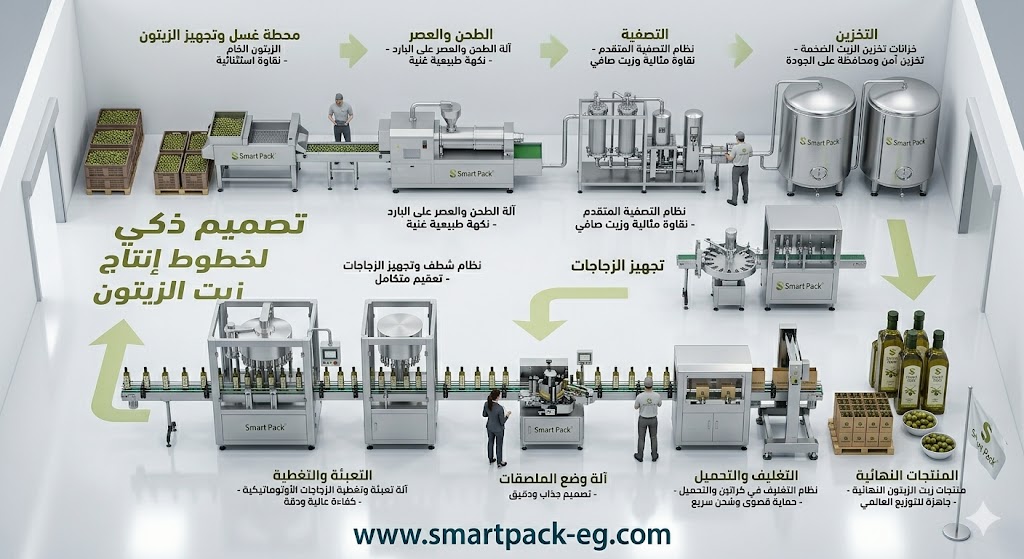
Best Industrial Method for Storing Olive Oil Before Filling
-
Store olive oil in food-grade stainless steel tanks
-
Use tanks equipped with light-blocking insulation
-
Maintain temperature between 14–18°C (57–64°F)
-
Prevent oxygen contact using inert gas (nitrogen) blanketing
-
Keep oil stable without excessive agitation
-
Filter olive oil before final storage to remove impurities
These steps are essential to maintain quality until the filling stage.
Best Practices for Olive Oil Storage During Industrial Filling
-
Fill olive oil in a clean, contamination-free environment
-
Minimize air exposure time during filling
-
Use high-precision edible oil filling machines
-
Seal containers immediately after filling
-
Avoid reopening containers once sealed
Any delay or negligence at this stage directly affects export quality.
Best Packaging Types for Export-Grade Olive Oil
-
Dark glass bottles (green or brown)
-
Internally coated metal cans designed for edible oils
-
High-quality food-grade plastic containers approved for export
-
Airtight closures that prevent oxygen ingress
Packaging choice is both a technical and a marketing decision.
Olive Oil Storage & Packaging Comparison Table
| Industrial Olive Oil Storage Method | Quality Preservation Level | Export Suitability | Expected Shelf Life |
|---|---|---|---|
| Stainless steel tanks with insulation | Very high | Excellent | Long |
| Ordinary plastic containers | Low | Weak | Short |
| Dark glass bottles for export | High | Very strong | Long |
| Coated metal cans | Very high | Excellent | Very long |
| Export Olive Oil Packaging Type | Protection from Light & Oxygen | Market Value |
|---|---|---|
| Premium dark glass bottle | High protection | High export value |
| Food-grade metal container | Excellent protection | Strong export demand |
| High-quality food plastic | Moderate protection | Suitable for selected markets |
Storage Conditions After Filling and Before Export
-
Store filled containers in shaded warehouses
-
Maintain stable temperature conditions
-
Avoid direct sunlight exposure
-
Prevent random stacking that may damage packaging
-
Apply FIFO (First In, First Out) inventory system
These conditions preserve oil quality until it reaches international markets.
Impact of Proper Storage on Marketing & Export Performance
-
Consistent taste and aroma across shipments
-
Easier compliance with international quality tests
-
Reduced complaints and returns
-
Increased importer confidence
-
Ability to apply higher pricing
-
Long-term brand reputation building
Consistent quality is the strongest export marketing tool.
Short Market Insight
-
European markets strictly require quality stability
-
Premium olive oil demands dark packaging
-
Importers care about storage methods as much as origin
-
Stable products secure long-term contracts
-
Proper storage reduces customs rejection risks
Industrial Tips for Export-Ready Olive Oil
-
Never store olive oil in transparent containers
-
Avoid high temperatures at all stages
-
Invest in professional storage tanks
-
Use sealed, high-precision filling machines
-
Document storage conditions within your quality system
-
Choose packaging that reflects product quality
The Role of Filling Machines in Olive Oil Export Success
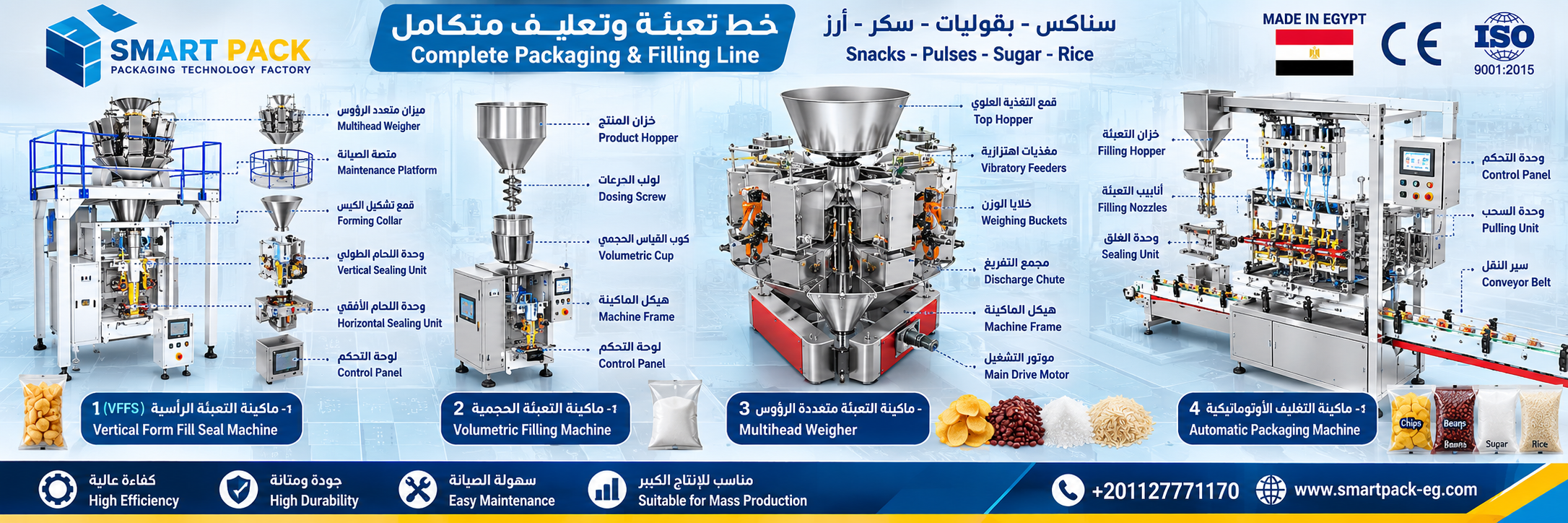
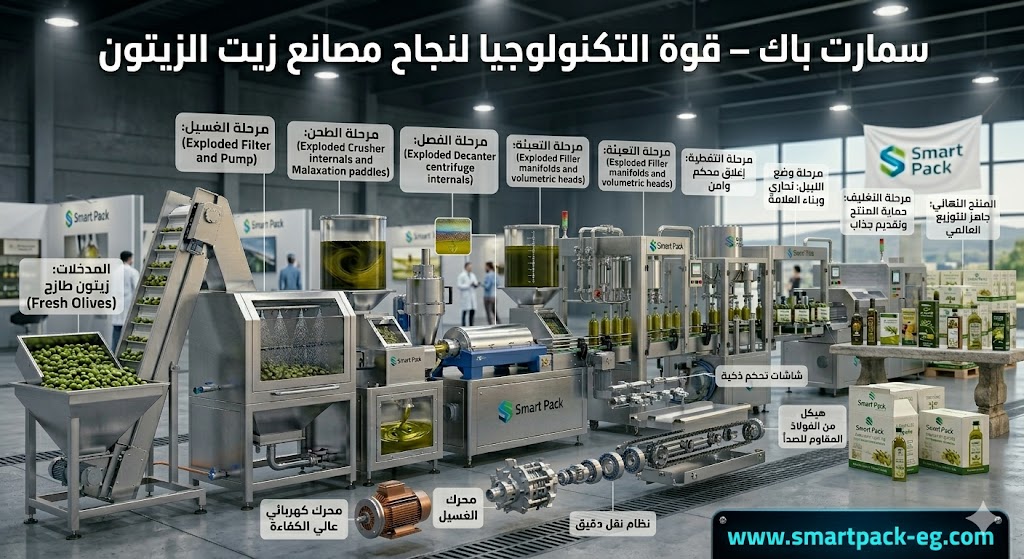
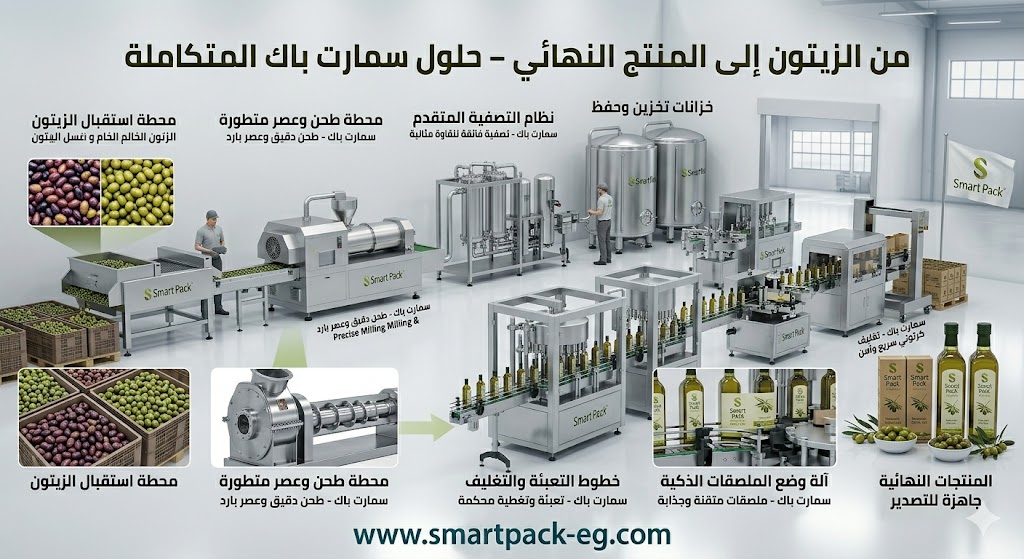
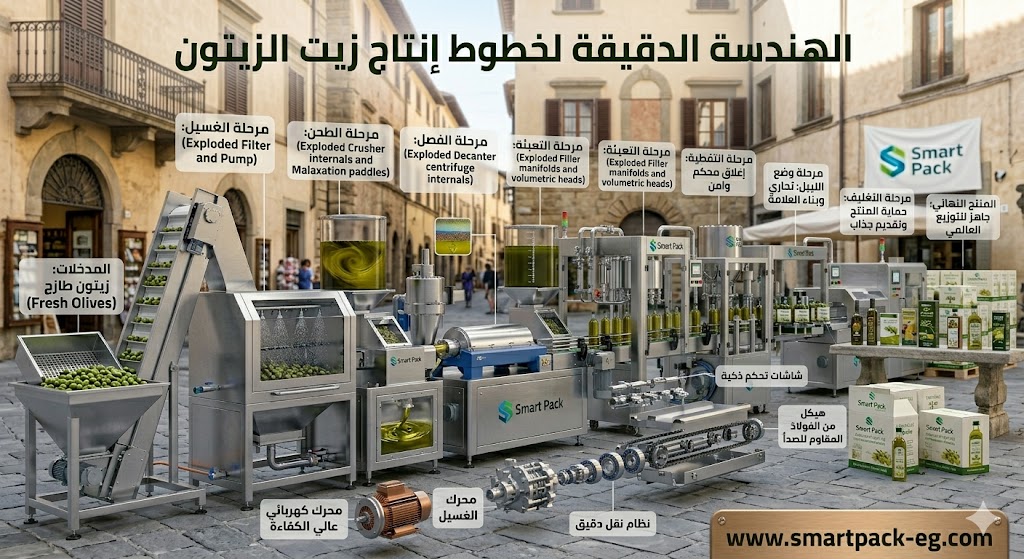
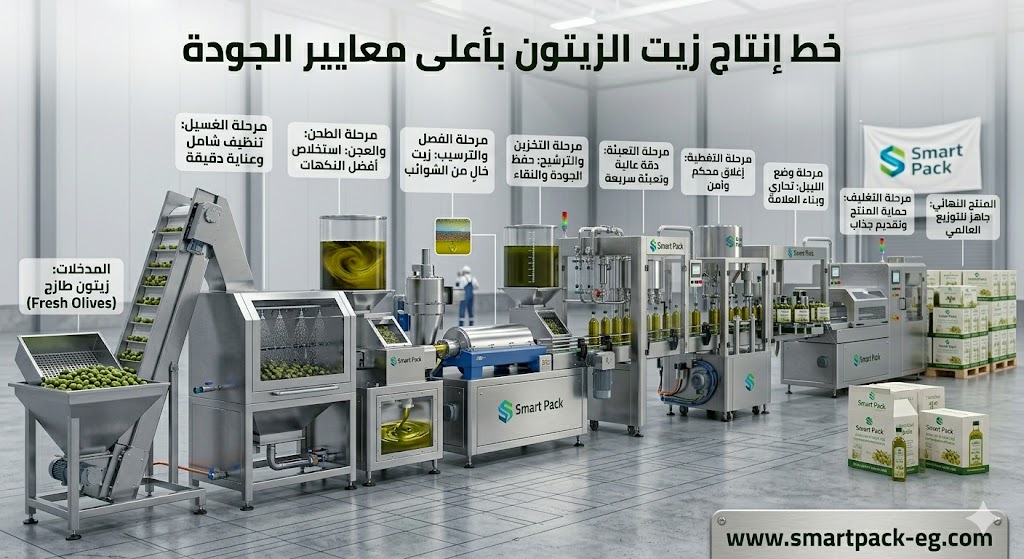
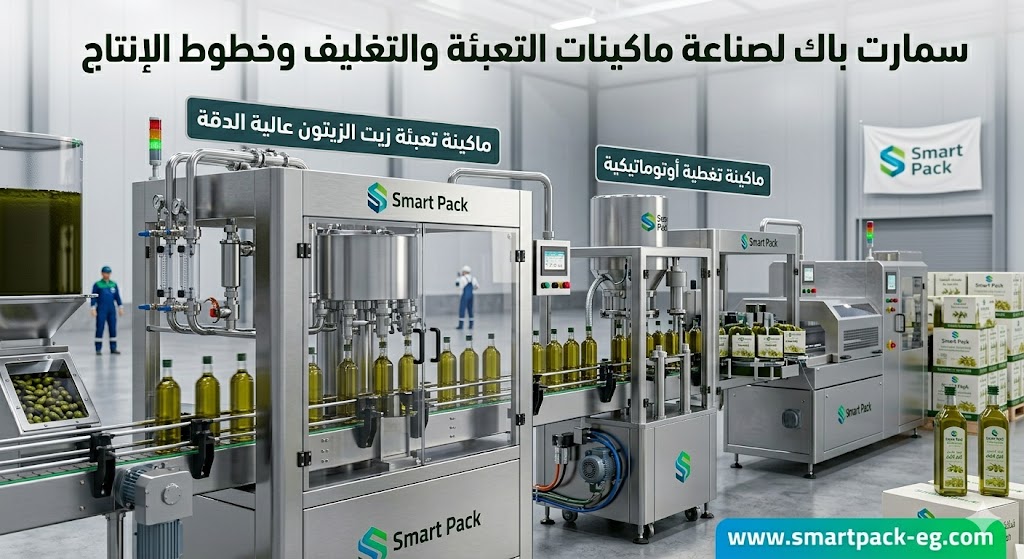
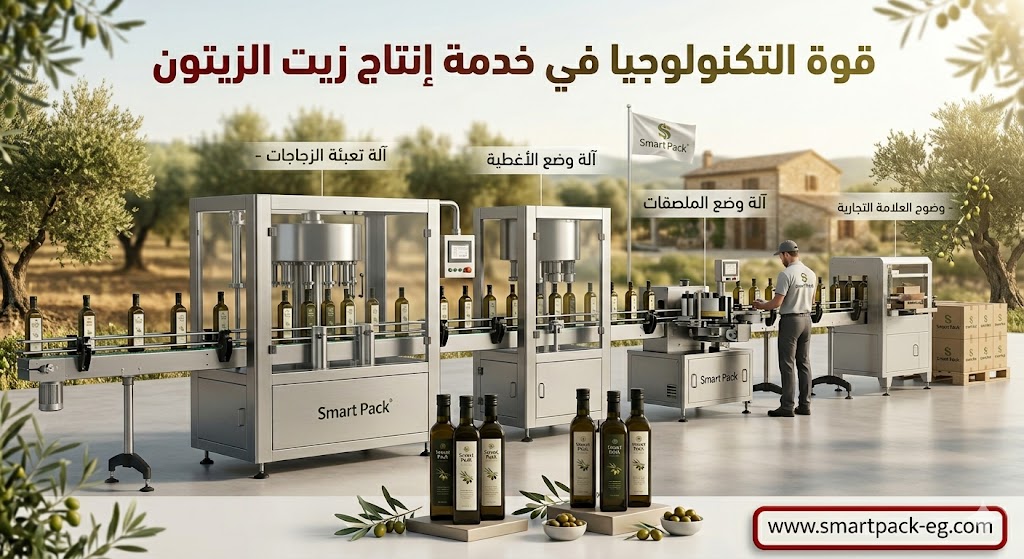
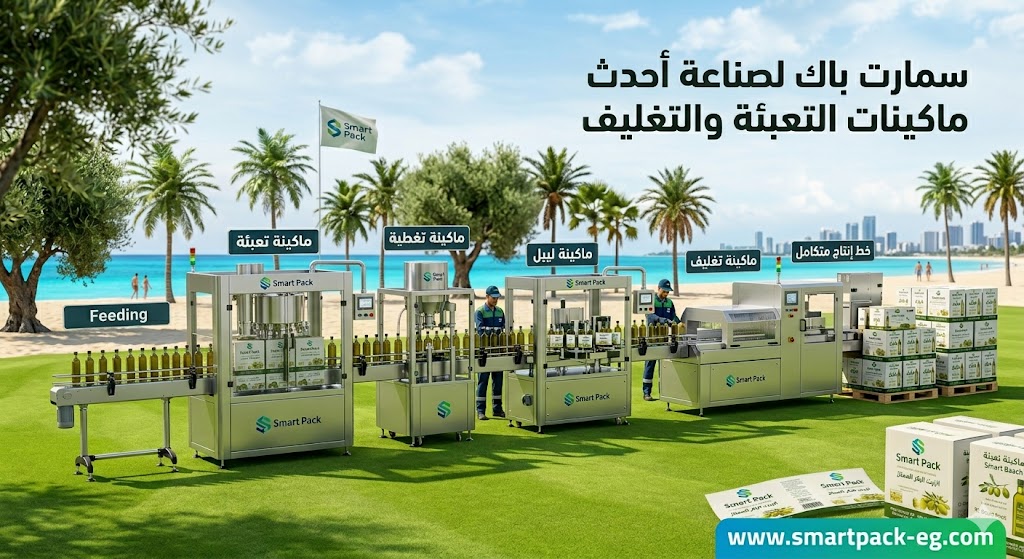
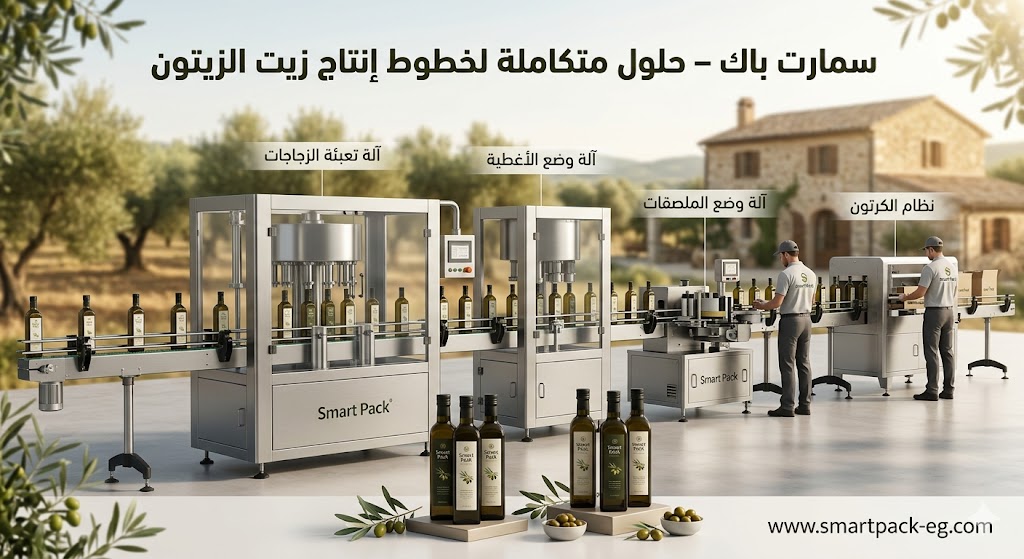
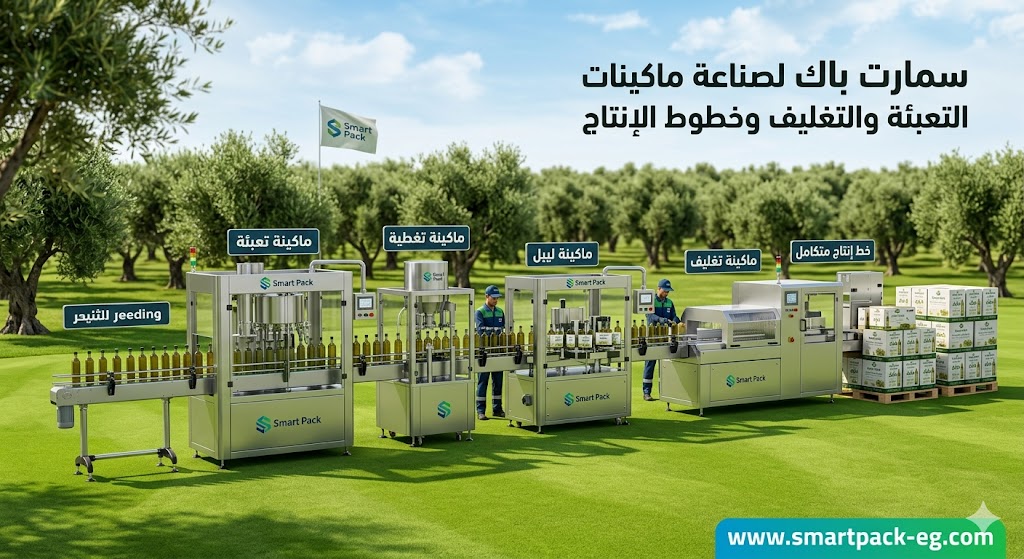
Filling is the final line of defense for quality. This is why working with Smart Pack provides factories with:
-
High-precision edible oil filling machines
-
Semi-automatic and fully automatic olive oil filling lines
-
Solutions for glass, metal, and plastic containers
-
Airtight sealing systems to prevent oxygen exposure
-
Technical support and export-line expertise
Frequently Asked Questions
What is the best temperature for storing olive oil?
Between 14–18°C to ensure stability.
Is clear glass suitable for export?
No, it accelerates oil degradation.
Does storage affect sensory classification?
Yes, directly and decisively.
Can poorly stored olive oil be exported?
Often rejected or downgraded in price.
What is the most critical storage factor?
Blocking both light and oxygen.
Conclusion
The best industrial method for storing olive oil is not optional—it is a fundamental requirement for export success.
Factories that invest in proper storage, professional filling, and strict quality control transform olive oil from a local product into a strong export brand with stable sales and high market value.
Investing in storage is a direct investment in profitability, credibility, and long-term market presence.