



 Admin
Admin Uses of Olive Oil and How to Transform Them into High-Demand Products Across Multiple Markets
Olive oil is one of the rare raw materials that combines food acceptance, cosmetic applications, and health-related uses at the same time. This unique versatility makes it a true industrial asset for manufacturers who think beyond a single market and aim for strategic market diversification.
The real value of olive oil is not achieved by selling it as a raw commodity, but by transforming its multiple uses into specialized products that serve different markets and generate balanced, sustainable sales.
This article explains how manufacturers can leverage olive oil applications and convert them into high-demand products for food, cosmetic, and wellness markets.
Why Olive Oil Is a Strategic Raw Material for Multi-Market Expansion
-
Strong global health reputation
-
High cultural acceptance in Arab and European markets
-
Easy to process into multiple product forms without complex manufacturing
-
Suitable for both premium and mass-market positioning
-
Ideal for local sales and export
-
Flexible profit margins depending on the target market
These characteristics make olive oil an ideal foundation for building a diversified product portfolio from a single raw material.
Food Applications of Olive Oil and Their Marketable Products
-
Bottled olive oil for household use
-
Olive oil for restaurants and hotels
-
Olive oil for healthy cooking and special diets
-
Flavored olive oil food blends
-
Food products where olive oil is a key ingredient
In this sector, success depends on quality consistency, professional packaging, and smart branding.
Cosmetic Applications of Olive Oil in Modern Industries
-
Processed olive oil hair oils
-
Olive oil-based skin care serums
-
Natural moisturizing creams with olive oil
-
Hand and nail care products
-
Gentle olive oil products for children
Cosmetic markets value olive oil as a safe, natural ingredient, significantly increasing the market value of the final product.
Health and Wellness Applications of Olive Oil
-
Products for dry and sensitive skin care
-
Natural massage oils
-
Complementary wellness and therapy products
-
Non-medicated pharmacy products
-
Preventive care and wellness solutions
This category requires higher precision in quality and packaging, but allows for premium pricing.
How Manufacturers Turn Olive Oil Uses into Successful Industrial Products
-
Separating production lines based on target market
-
Selecting the appropriate olive oil purity grade for each application
-
Developing multiple formulations from the same raw material
-
Standardizing industrial quality across batches
-
Creating a distinct marketing identity for each product category
Success lies in managing diversification efficiently, not increasing unnecessary complexity.
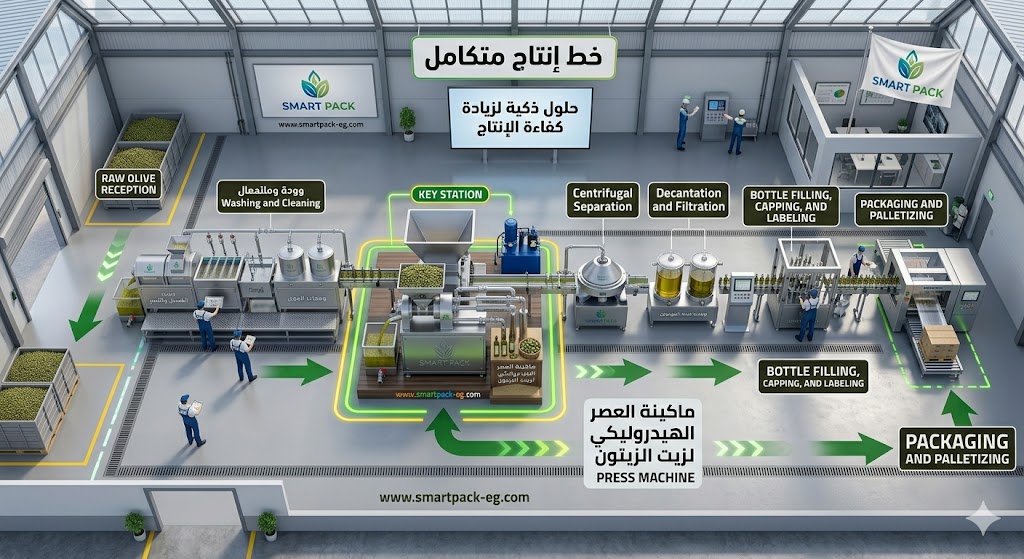
Production Line Specifications for Olive Oil-Based Products
-
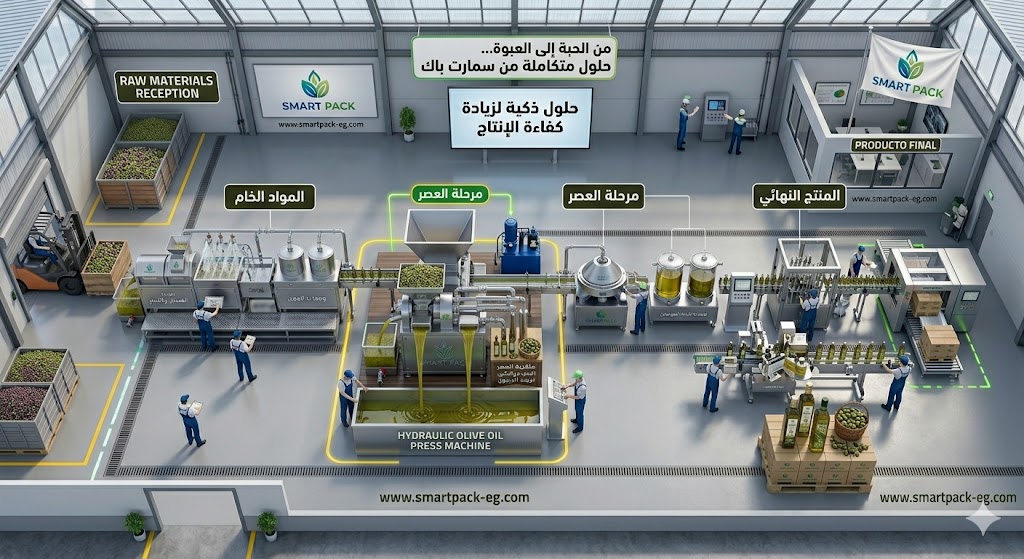
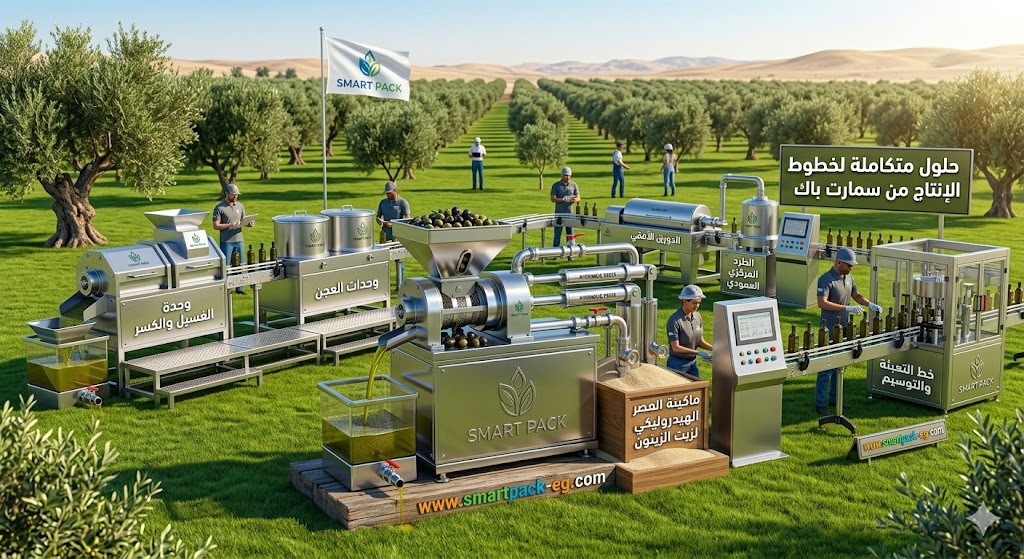
Food-grade and cosmetic-grade stainless steel storage tanks
-
Filtration and purification systems based on product type
-
Mixing systems for cosmetic formulations
-
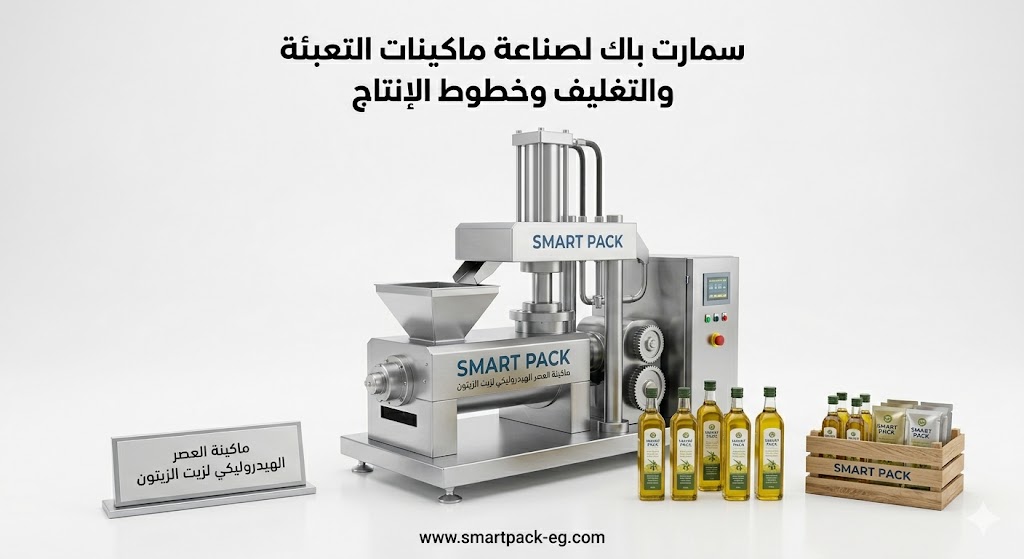
Filling and packaging machines for oils and liquids
-
Multi-format capping and labeling systems
-
Flexible lines capable of handling different container sizes
This flexibility allows multiple products to be produced from a single production line.
The Role of Filling and Packaging Machines in Market Diversification
-
Food-grade olive oil filling machines
-
Cosmetic oil filling machines
-
Filling systems for viscous liquids and serums
-
Semi-automatic machines for startups
-
Fully automatic machines for commercial production and export
Packaging is the key differentiator between an ordinary product and a high-demand product.
Comparison Table: From Olive Oil Uses to Market-Ready Products
| Industrial Use of Olive Oil | Final Product Type | Target Market | Expected Market Value |
|---|---|---|---|
| Healthy food use | Bottled food-grade olive oil | Households & restaurants | Stable demand |
| Cosmetic use | Hair oil & cosmetic serums | Pharmacies & beauty stores | High profit margin |
| Wellness use | Massage oils & care products | Wellness centers & pharmacies | High market value |
| Multi-use strategy | Diverse natural products | Local & export markets | Strong expansion potential |
Olive Oil Production Line Types
| Production Line Type | Automation Level | Market Expansion Suitability |
|---|---|---|
| Semi-automatic olive oil filling lines | Medium | Fast market entry |
| Fully automatic olive oil production lines | High | Export & wide distribution |
Marketing Impact of Diversifying Olive Oil Applications
-
Reduced risk through multiple revenue streams
-
Stronger overall brand positioning
-
Easier entry into new markets
-
Higher average profit per unit of raw material
-
Building a comprehensive “natural product” brand image
A factory selling one product takes more risk than a factory selling multiple solutions.
Brief Market Overview
-
Global demand for olive oil continues to grow
-
Natural products are increasingly prioritized by consumers
-
European markets emphasize quality and packaging
-
Arab markets value health benefits
-
Specialized olive oil products achieve faster growth
Industrial and Marketing Tips for Successful Olive Oil Products
-
Do not rely solely on selling raw bottled oil
-
Develop multiple products from the same source
-
Invest in professional packaging and labeling
-
Clearly define product usage on the label
-
Plan for export from the design stage
Why Manufacturers Need a Flexible Industrial Partner
Product diversification requires reliable, adaptable equipment. This is where Smart Pack plays a key role by providing:
-
Filling and packaging machines for food and cosmetic oils
-
Flexible, multi-use production lines
-
Customized solutions based on capacity and space
-
Technical support and industrial expertise
-
Scalable systems without production disruption
Frequently Asked Questions
Is olive oil suitable for more than one market?
Yes, for food, cosmetics, and wellness when processed correctly.
Does product diversification increase complexity?
Technically yes, but it significantly reduces commercial risk.
Is this suitable for small factories?
Yes, especially with semi-automatic production lines.
Does packaging affect market acceptance?
Directly and decisively.
What is the most important success factor?
Choosing the right market for each product.
Conclusion
The uses of olive oil are not just a nutritional advantage—they represent a complete industrial platform for building high-demand products across multiple markets. Manufacturers who successfully convert these uses into clear production lines, professional packaging, and precise marketing messages can multiply profits from the same raw material and establish a strong, sustainable presence in both local and global markets.