











 Admin
Admin Olive Oil for Eyelashes: Potential Risks and How Manufacturers Build Safe, High-Reliability Products
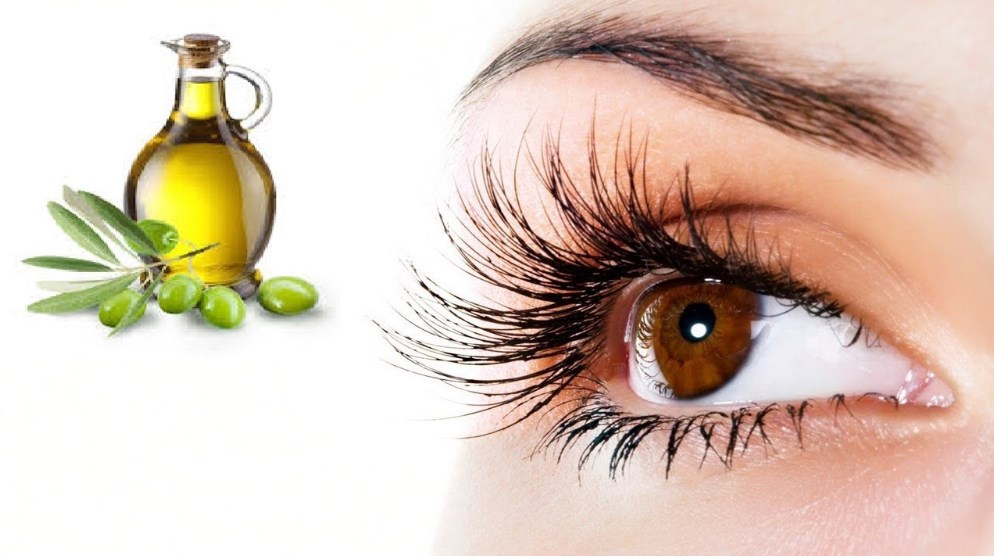
Despite olive oil’s widely positive reputation as a natural ingredient, direct, uncontrolled use on eyelashes can lead to undesirable effects that impact consumer trust and brand safety. Smart manufacturers don’t ignore these risks—they convert scientific insight into controlled, safe cosmetic solutions that deliver strong demand and long-term credibility.
This guide explains the potential drawbacks and how factories can avoid them industrially when developing eyelash care products.
Why Manufacturers Must Be Cautious When Using Olive Oil in Eyelash Products
-
The eye area is extremely sensitive and requires higher safety standards than hair care
-
Raw olive oil varies in purity and composition from batch to batch
-
Uncontrolled use may cause irritation or clogging of lash follicles
-
Any eye-related complaint directly affects brand reputation
-
Cosmetic regulations impose stricter safety testing for eye-area products
Caution here is a competitive advantage, not a limitation.
Potential Risks of Using Olive Oil on Eyelashes
Lash Follicle Clogging
Olive oil is relatively dense; direct application may clog follicles and weaken lash growth over time.
Eye Area Irritation
Oil entering the eye can cause stinging, tearing, and redness, especially with unrefined oils.
Possible Microbial Contamination
Non-sterilized oils or poor packaging can become a breeding ground for microbes.
Inconsistent Results Among Users
Individual differences increase complaints when formulas aren’t industrially standardized.
These risks don’t prohibit use—they demand smart industrial development.
How Manufacturers Turn Olive Oil into a Safe Ingredient for Eyelash Cosmetics
-
Use cosmetic-grade refined olive oil suitable for the eye area
-
Reduce viscosity via scientific blending with lighter cosmetic oils
-
Control concentration to minimize clogging risk
-
Add supporting ingredients to improve absorption
-
Perform eye-area specific stability and irritation tests
The difference between a DIY product and a commercial success is scientific control.
Safe Eyelash Product Formats Using Olive Oil
-
Diluted eyelash serum with cosmetic olive oil
-
Low-viscosity overnight lash mask
-
Multi-oil eyelash care blends
-
Treated olive-oil lash strengthening products
Format diversification reduces risk and improves market acceptance.
Production Line Specifications for Safe Olive-Oil Eyelash Products
-
Cosmetic-grade stainless steel mixing tanks
-
Low-shear mixing systems for precise viscosity control
-
Fine filtration units to remove impurities
-
Sterilization systems suitable for cosmetic oils
-
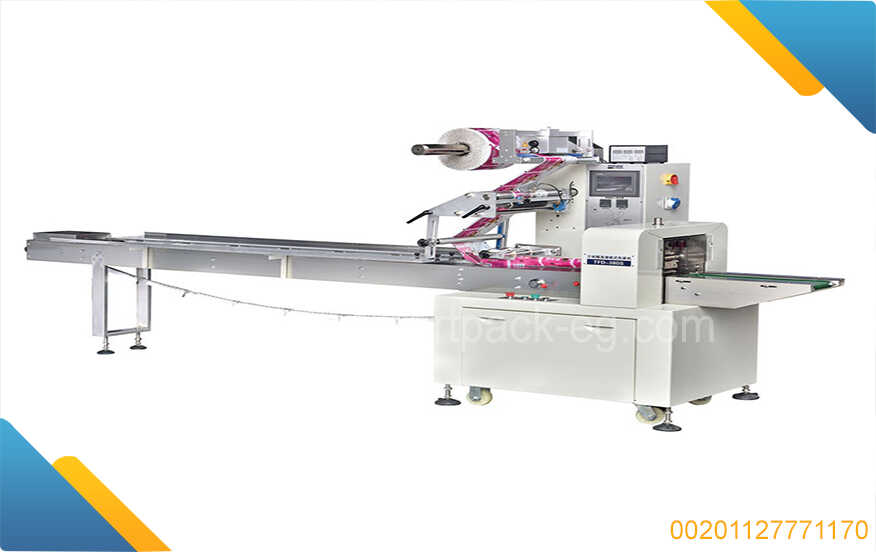
High-precision filling machines for small containers
-
Tight sealing systems to prevent contamination
These specs increase reliability and reduce returns.
In-Factory Process to Ensure Eyelash Product Safety
-
Inspect cosmetic olive oil quality before use
-
Controlled blending with supporting ingredients
-
Test viscosity and absorption
-
Final filtration for visual purity
-
Eye-area specific stability and irritation tests
-
Sterile filling and packaging
Testing is commercial insurance, not an added cost.
Industrial Comparison (SEO-Focused)
| Industrial Factor | Raw Olive Oil for Lashes | Treated Cosmetic Olive Oil |
|---|---|---|
| Cosmetic purity | Inconsistent | High & consistent |
| Eye-area suitability | Low | High |
| Usability in lash products | Limited | Excellent |
| Cosmetic safety level | Low | High |
| Market acceptance | Weak | Strong & sustainable |
Product Reliability Examples
| Eyelash Product | Olive Oil Form | Commercial Reliability |
|---|---|---|
| Olive-oil eyelash serum | Low-viscosity cosmetic olive oil | High |
| Natural lash mask | Treated olive oil + supporting oils | Strong market trust |
The Marketing Impact of Safety in Eyelash Products
-
Fewer complaints and returns
-
Higher trust from pharmacies and beauty retailers
-
Easier positioning as eye-safe
-
Long-term brand building
-
Premium pricing supported by reliability
Safety is a powerful sales lever.
Market Snapshot
-
Strong demand for natural eyelash strengthening products
-
Consumers are more aware of misuse risks
-
Pharmacies favor tested, compliant products
-
European markets enforce strict eye-area safety
-
Safe products outperform—even at higher prices
Industrial Tips for High-Reliability Eyelash Products
-
Never use raw olive oil directly
-
Commit to cosmetically validated concentrations
-
Clearly state usage instructions and warnings
-
Invest in safety testing
-
Use precision packaging to prevent contamination
Why Professional Filling & Packaging Matter
Precision filling is critical for eyelash products. This is where partnering with Smart Pack adds value by providing:
-
High-precision filling machines for serums and cosmetic oils
-
Packaging solutions that maintain sterility and quality
-
Production lines tailored for eye-care cosmetics
-
Technical support and operational expertise
-
Scalable solutions without sacrificing quality
FAQs
Does olive oil always harm eyelashes?
No. Issues arise from raw, uncontrolled use.
Can it be used safely in eyelash cosmetics?
Yes—when refined, diluted, and scientifically formulated.
Do eyelash products need special tests?
Yes. Eye-area products require additional safety testing.
Does the market accept olive-oil lash products?
Yes—when safety and testing are clearly communicated.
Most common mistake?
Using raw olive oil without cosmetic processing.
Conclusion
Olive oil isn’t inherently dangerous—but misuse can damage both product and brand. Successful manufacturers understand the difference between traditional use and industrial cosmetic development, turning risk awareness into a competitive advantage. By delivering tested, safe, and reliable eyelash products, brands can combine nature with professionalism and achieve strong, sustainable sales.