 Admin
Admin Butter vs. Margarine in the Food Industry: Impact on Manufacturing, Marketing, and Sales
Choosing between butter and margarine in food factories is not merely a technical decision—it is a direct commercial and marketing choice that affects production cost, brand image, consumer acceptance, and profit margins.
Understanding the industrial, nutritional, and marketing differences between butter and margarine enables manufacturers to position products accurately—whether targeting premium, high-priced segments or mass-market, cost-efficient products.
This industrial analysis explains the real differences between butter and margarine and how those differences translate into manufacturing performance, marketing strength, and sales results.
First: What Is Butter in the Food Industry?
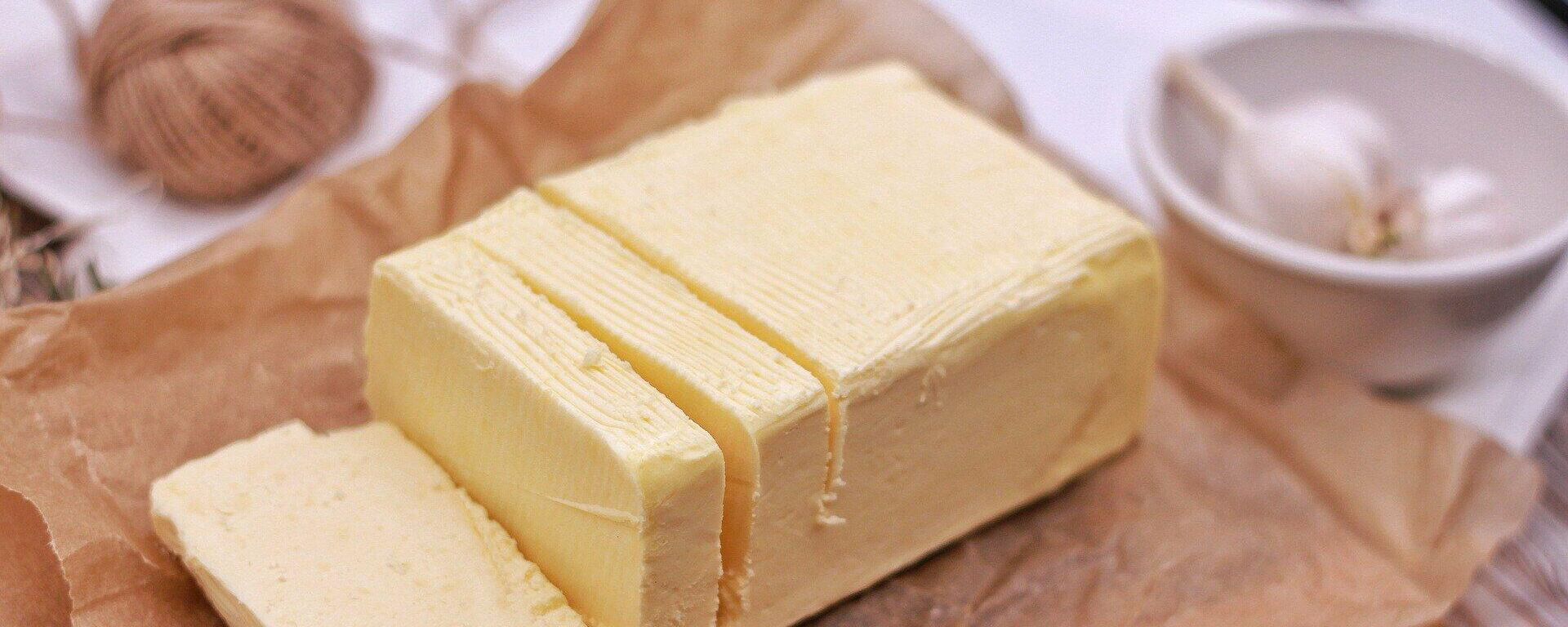
Butter is a natural fat product derived from cow’s milk.
Key characteristics include:
-
Contains natural animal fats and fat-soluble vitamins
-
Widely used in premium and high-quality food products
-
Delivers a rich, natural flavor that is difficult to replicate
-
Higher raw material cost compared to margarine
Butter is not just an ingredient—it is a powerful marketing statement when clearly highlighted on packaging.
Second: What Is Margarine in the Food Industry?
Margarine is a manufactured vegetable fat product:
-
Produced from partially processed vegetable oils
-
Texture and functionality can be customized for industrial use
-
Lower cost and more stable pricing
-
Widely used in large-scale, high-volume food production
Margarine represents an efficient, cost-driven industrial choice focused on scalability and operational stability.
Industrial Differences Between Butter and Margarine in Production Lines
From an operational perspective:
-
Butter is sensitive to temperature and requires precise storage control
-
Margarine offers higher stability during continuous industrial operation
-
Butter requires constant refrigeration
-
Margarine is easier to transport and store
-
Margarine can be engineered to fit specific applications
These factors make margarine more suitable for large, continuous production lines.
Industrial & Marketing Comparison Table
| Comparison Factor | Natural Butter in Food Manufacturing | Industrial Margarine |
|---|---|---|
| Fat source | Natural animal fat from milk | Industrially processed vegetable oils |
| Raw material cost | Relatively high | Lower, suitable for mass production |
| Stability during processing | Heat-sensitive | High thermal and operational stability |
| Flavor impact | Strong, premium natural taste | Neutral, adjustable flavor |
| Marketing effect | Premium positioning | Cost-effective mass appeal |
| Target markets | Luxury and high-price segments | Broad consumer markets |
Marketing Impact of Using Butter
Using butter in food products:
-
Enhances consumer trust and perceived quality
-
Increases product market value
-
Allows premium pricing and higher unit margins
-
Strengthens luxury brand positioning
-
Acts as a clear differentiator in marketing campaigns
Butter is a marketing message, not just a component.
Marketing Impact of Using Margarine
Using margarine enables:
-
Competitive pricing strategies
-
Access to price-sensitive markets
-
Expansion of consumer base
-
Lower production costs in high-volume lines
-
Strong total sales through volume
Here, success depends on sales volume rather than unit price.
Effect on Sales and Profit Margins
-
Butter delivers higher profit per unit
-
Margarine generates cumulative profit through scale
-
Butter suits limited-volume, high-value products
-
Margarine suits mass production and wide distribution
-
The decision depends on business strategy, not quality alone
How Do Factories Choose Between Butter and Margarine?
Key decision factors include:
-
Target price segment
-
Long-term raw material cost analysis
-
End-consumer behavior and expectations
-
Production line temperature control capability
-
Overall food brand identity
A technically correct choice can still fail commercially if misaligned with strategy.
Brief Market Insights
-
European markets favor butter in premium products
-
Arab markets balance price and flavor
-
Economy products rely more on margarine
-
Nutritional awareness strongly influences purchasing decisions
-
Consumers associate butter with higher quality
Industrial & Marketing Tips to Increase Sales
-
Use butter exclusively in premium product lines
-
Use margarine for mass-market products
-
Clearly state the fat type on packaging
-
Leverage the ingredient choice in marketing campaigns
-
Align fat selection with brand identity
The Role of Packaging in Supporting the Marketing Decision
The type of fat used should be reflected in:
-
Packaging design
-
Marketing language
-
Pricing strategy
-
Shelf positioning
-
Distribution channels
Smart packaging multiplies the impact of the industrial decision.
Why Do Factories Need Flexible Packaging Solutions?
Factories producing butter-based or margarine-based products require:
-
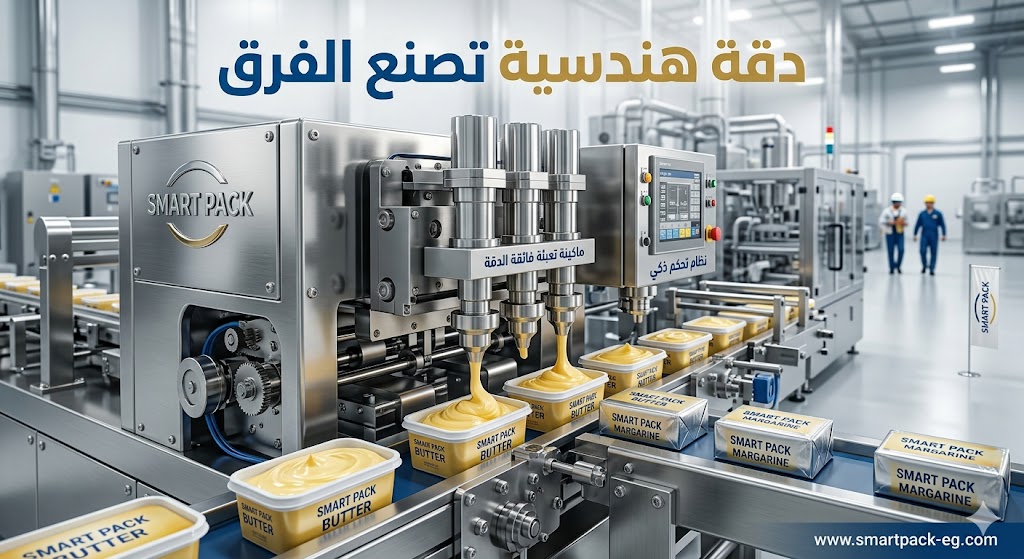
High-precision filling and packaging machines
-
Recipe flexibility
-
Customizable production lines
-
Consistent final product quality
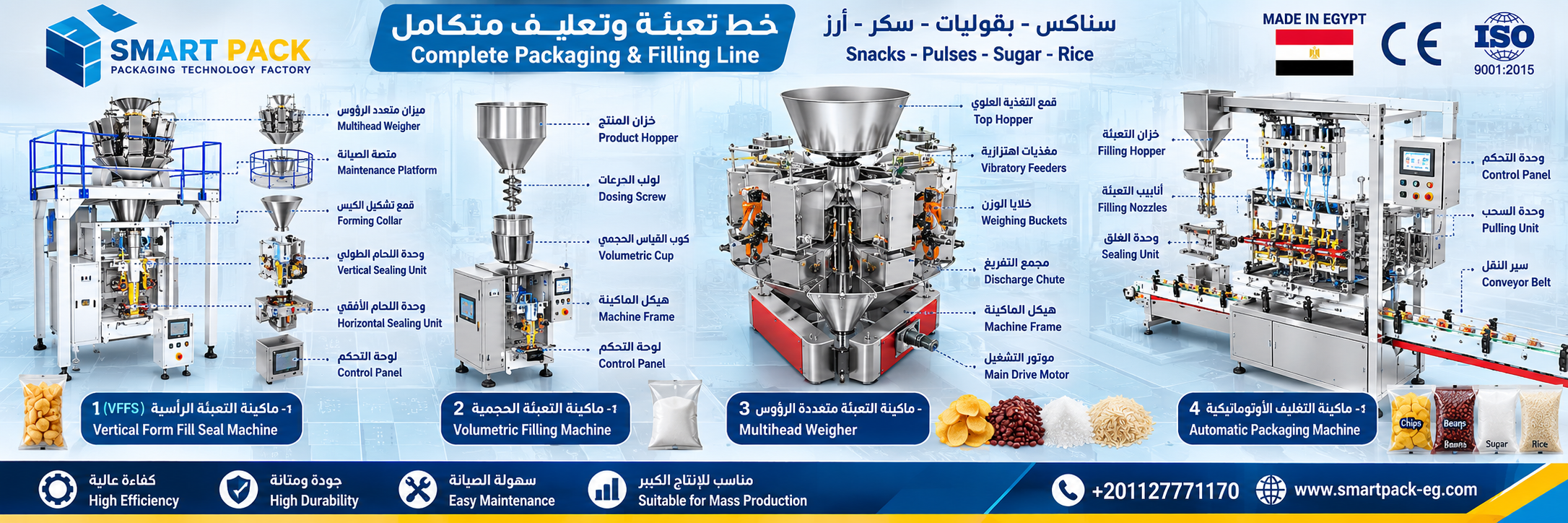
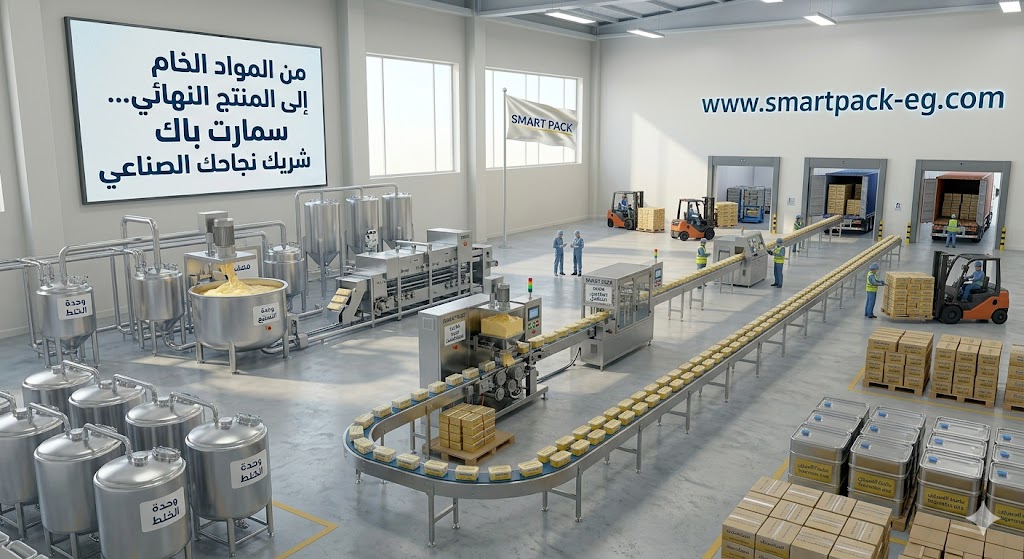
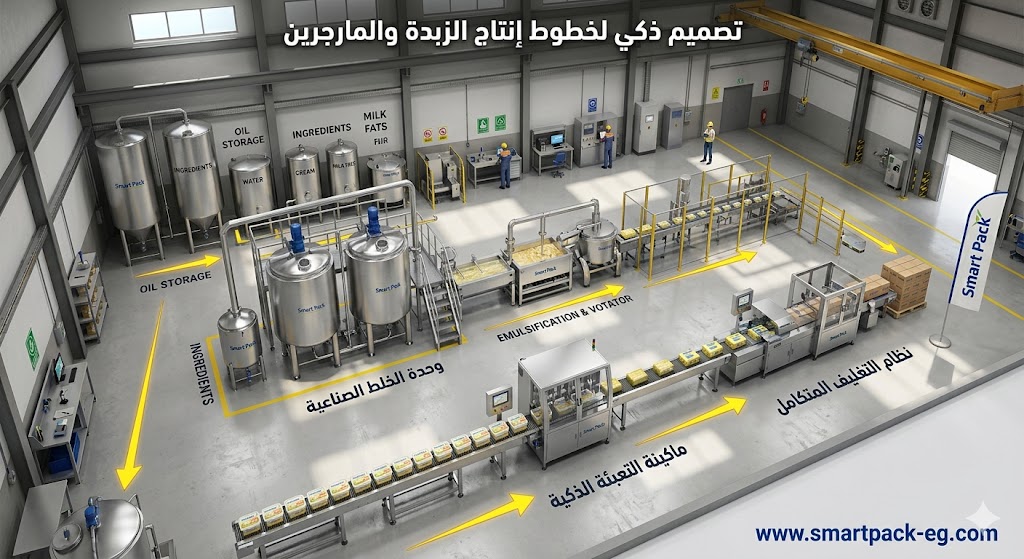
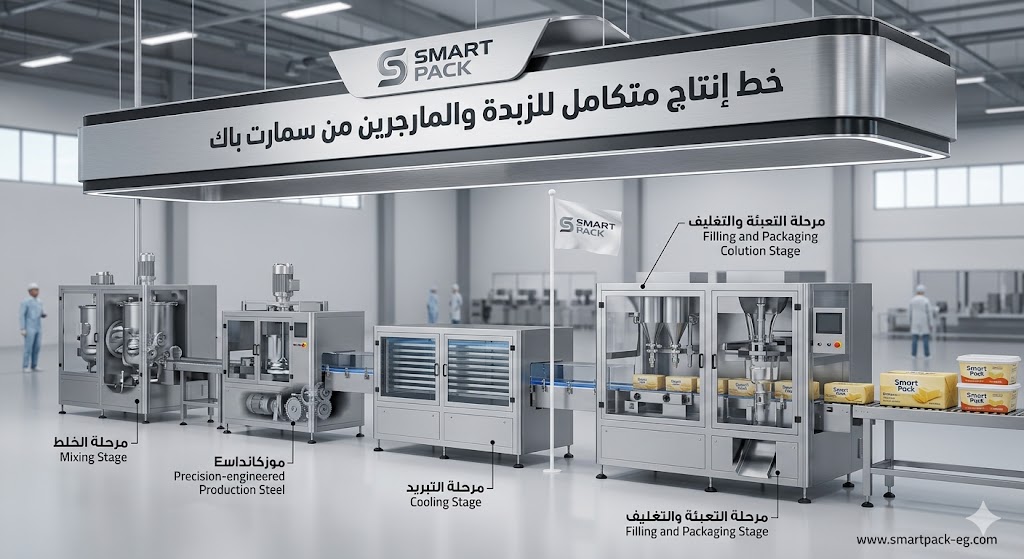
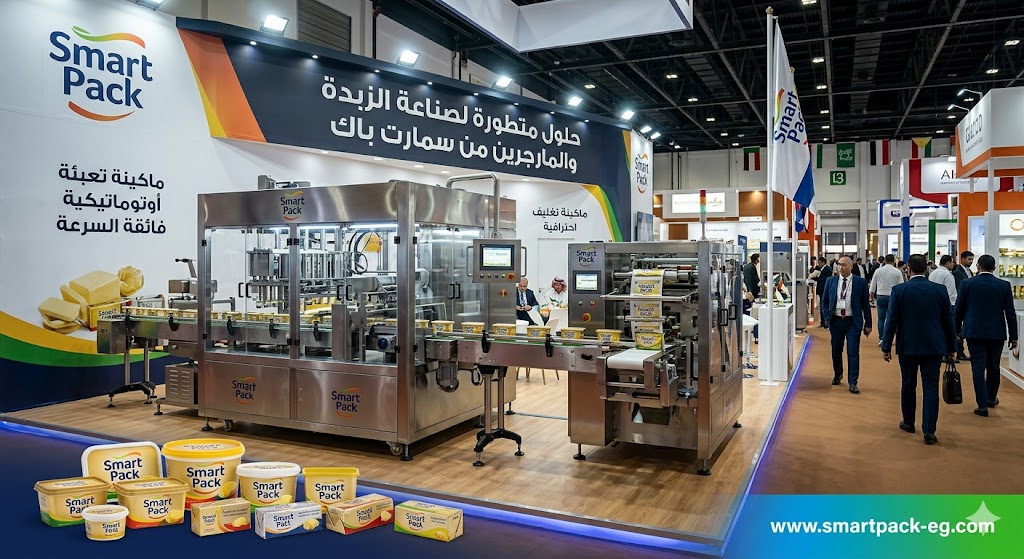
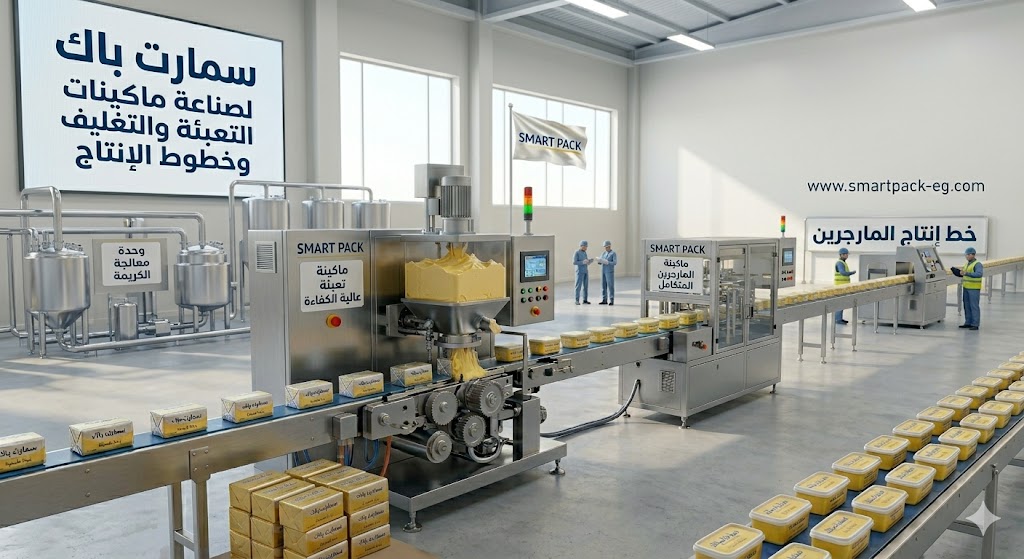
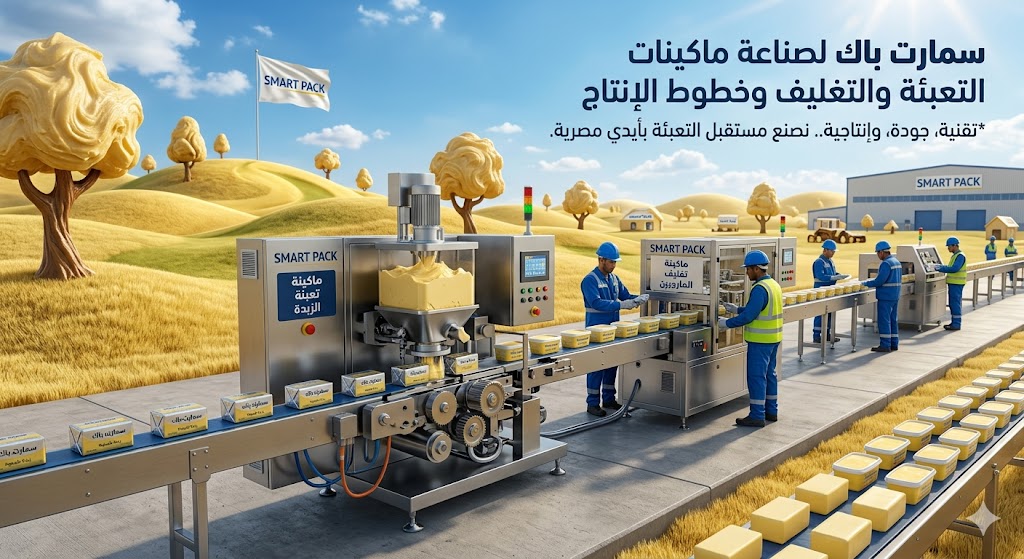
This is where a reliable industrial partner like Smart Pack becomes essential—offering packaging and filling solutions tailored to diverse food applications and supporting commercial scalability.
Frequently Asked Questions
Which is better from a marketing perspective: butter or margarine?
Butter for premium products; margarine for economy products.
Does fat type affect sales?
Yes—directly impacts pricing, perception, and consumer acceptance.
Can both be used in the same factory?
Yes, with separate lines or clearly differentiated recipes.
Which is better for export?
Depends on the target market—butter for premium markets, margarine for mass markets.
What is the most common mistake?
Not aligning ingredient choice with marketing strategy.
Conclusion
The difference between butter and margarine in the food industry is not just about ingredients—it is about strategy and profitability.
Butter sells quality and prestige. Margarine sells price and scale.
Successful factories know when to use each option and how to transform that choice into a powerful marketing message that drives sales and strengthens brand growth.