 Admin
Admin How Is Fig Jam Produced and Filled Industrially? A Profitable Food Manufacturing Opportunity with High Market Value
Fig jam is a high-market-value food product and a clear example of how a delicate seasonal fruit can be transformed into a stable, high-profit industrial product. Figs are widely appreciated locally and internationally, yet their short shelf life limits fresh-market distribution. Industrial processing turns this challenge into a real opportunity by converting figs into a long-shelf-life, premium-priced, and easily marketable product, suitable for both domestic and export markets.
Investing in industrial fig jam production and filling gives food factories a distinctive product with strong returns and lower competition compared to common jam varieties.
This project is ideal for small and medium-sized factories and can also be seamlessly integrated into existing production lines to increase profitability and diversify product offerings.
Why Is Fig Jam a High-Profit Food Manufacturing Opportunity?
Figs are known for their high nutritional value and are often perceived as a premium fruit in many markets. When processed into jam, their market value increases significantly while preserving their distinctive flavor and texture.
Key reasons behind the strong profitability of fig jam:
-
High demand in local markets
-
Good export value in Arab and European markets
-
Fewer specialized producers compared to other jam types
-
Ability to command higher prices with comfortable profit margins
-
Easy storage and transportation after processing
These factors position fig jam as a strategic product for factories seeking higher profitability and premium quality.
What Is Fig Jam and How Is It Produced Industrially?
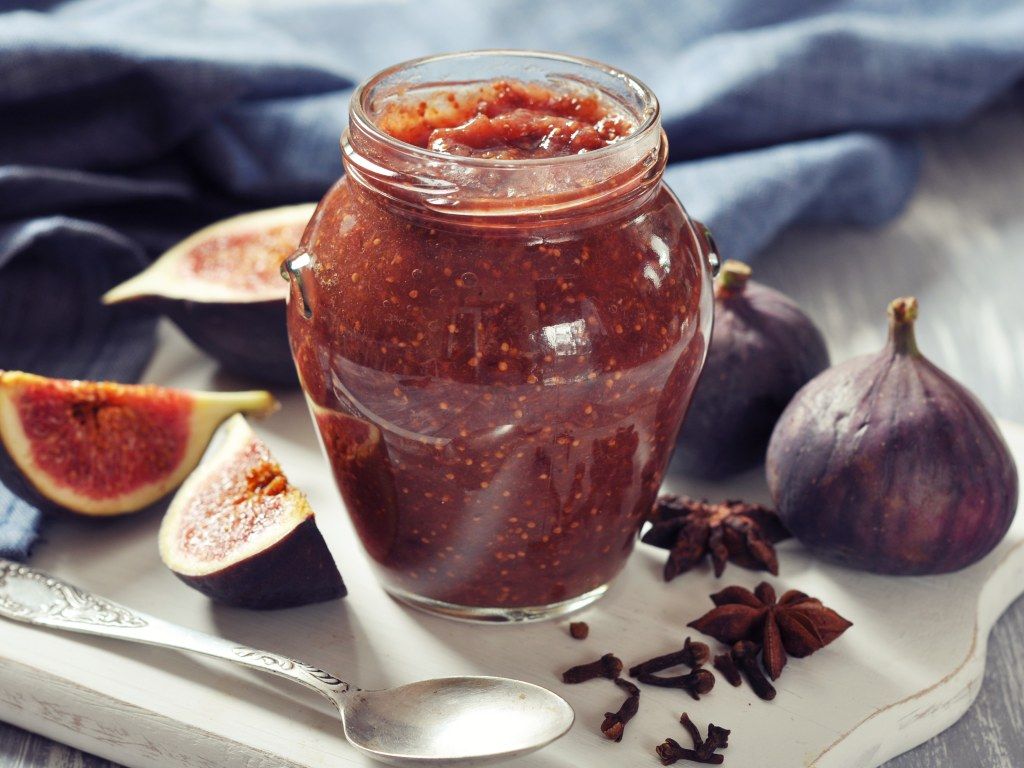
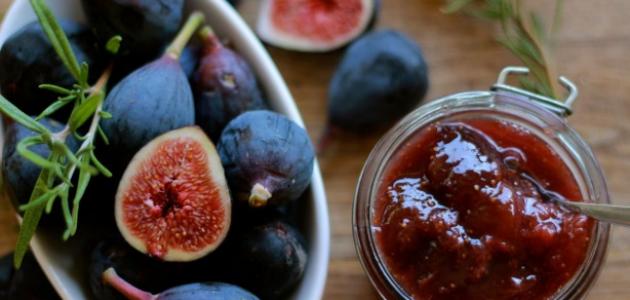
Fig jam is a food product made from figs after washing, cutting or partial grinding, then cooking with carefully measured sugar ratios to achieve a firm consistency and balanced flavor while preserving the natural fig taste.
Industrial production relies on:
-
Precise temperature control
-
Accurate concentration and solids ratios
-
Preservation of color and texture
-
Uniform quality across production batches
-
Compliance with food safety standards
Using industrial production lines ensures consistent quality and scalable commercial output.
Fig Jam Production Line Specifications in Factories
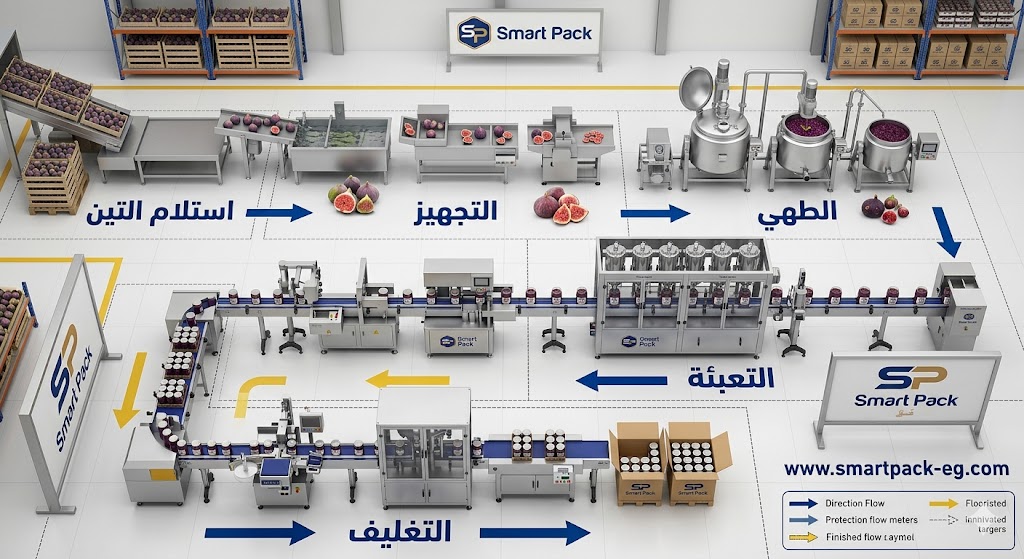
A fig jam production line consists of integrated equipment designed according to investment size and available factory space.
Main components of the production line:
-
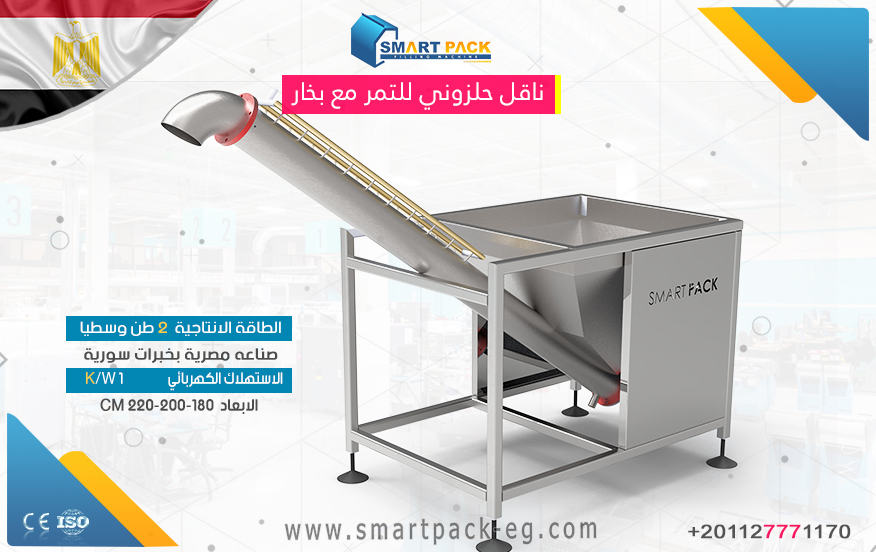
Fig washing and sorting machines
-
Fruit cutting or grinding machines
-
Impurity and seed separation systems depending on desired texture
-
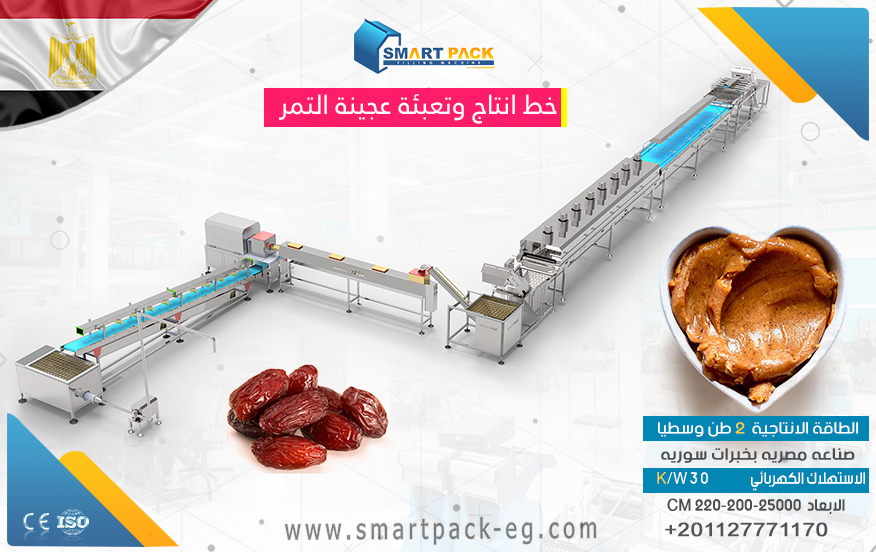
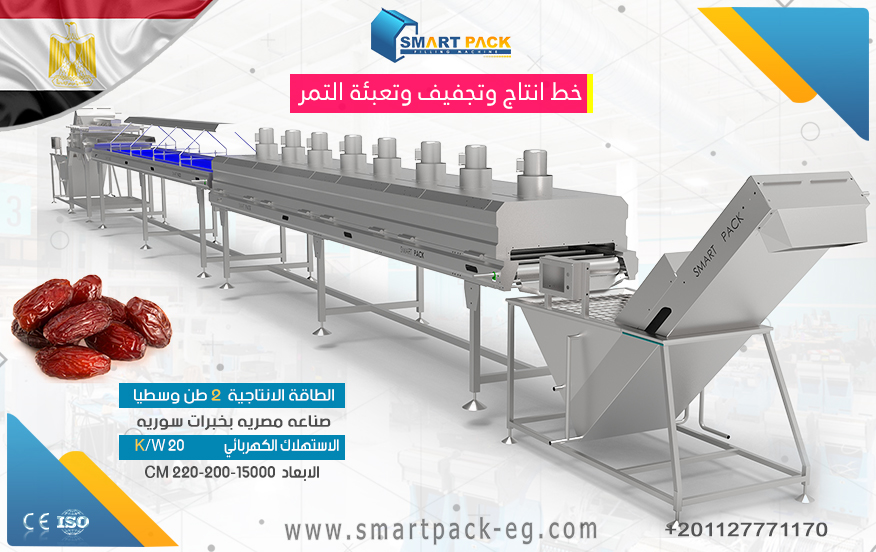
Industrial cooking kettles with heating and mixing systems
-
Holding and conditioning tanks
-
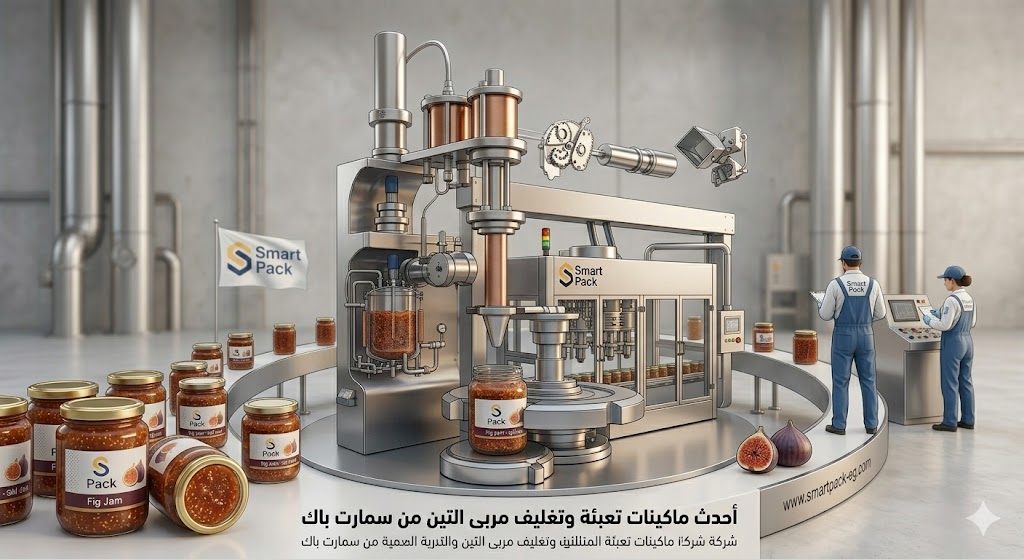
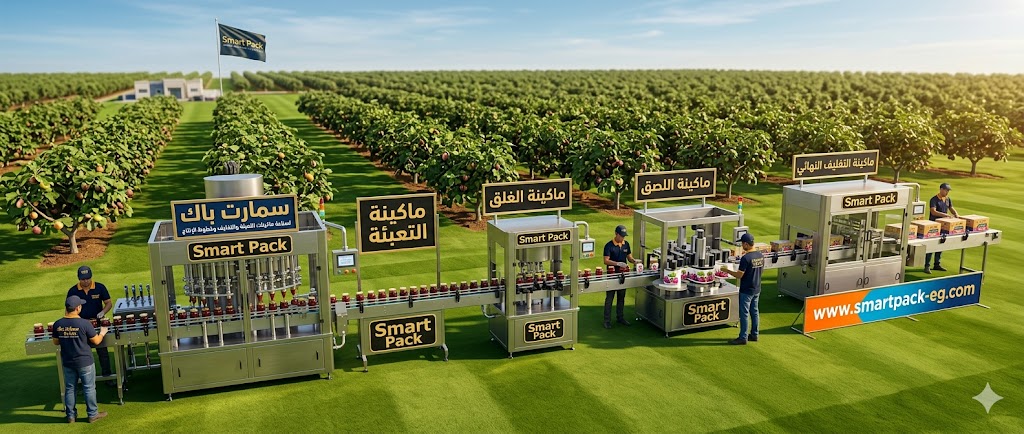
Filling and packaging machines
All equipment must be made of food-grade stainless steel to ensure safety, hygiene, and ease of cleaning and maintenance.
Operating Stages Inside a Fig Jam Factory
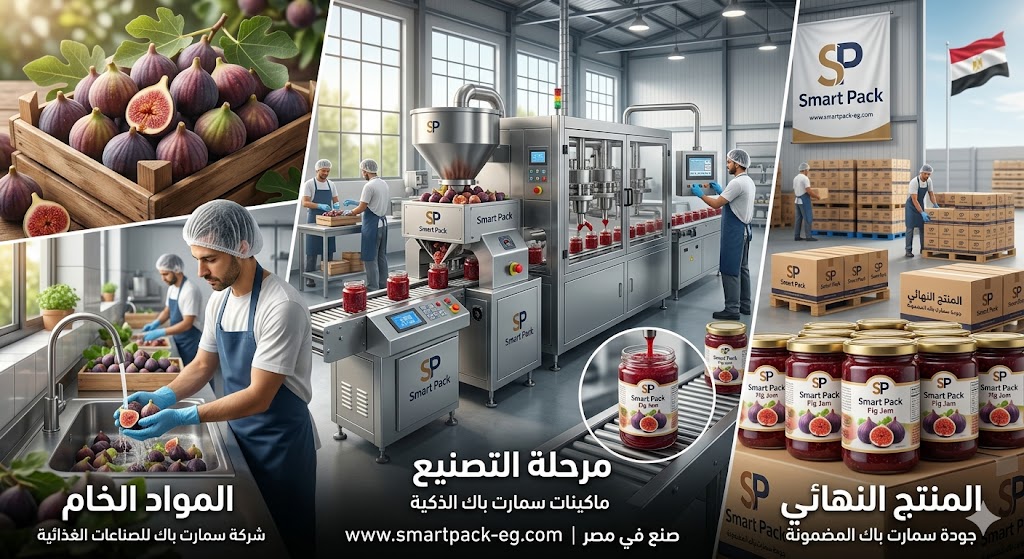
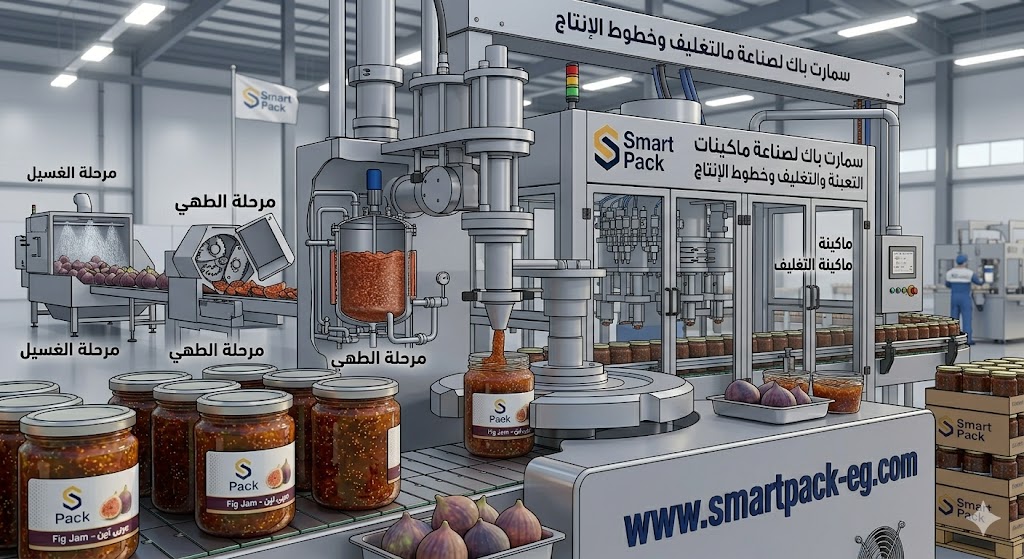
The process begins with receiving and carefully sorting figs to select high-quality fruit. After washing, the figs are cut or partially ground depending on the target product, while preserving the characteristic texture.
The pulp then moves to the cooking stage in industrial kettles, where sugar is added and temperature and cooking time are precisely controlled to achieve the required concentration without losing flavor or color.
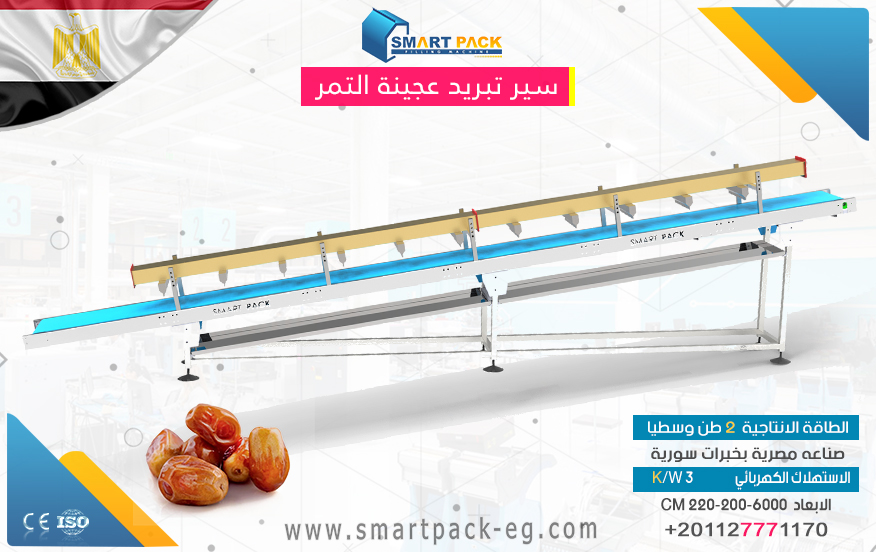
Once cooking is complete, the fig jam is cooled and transferred to filling tanks in preparation for accurate filling and packaging using precision filling machines.
Suitable Filling and Packaging Machines for Fig Jam
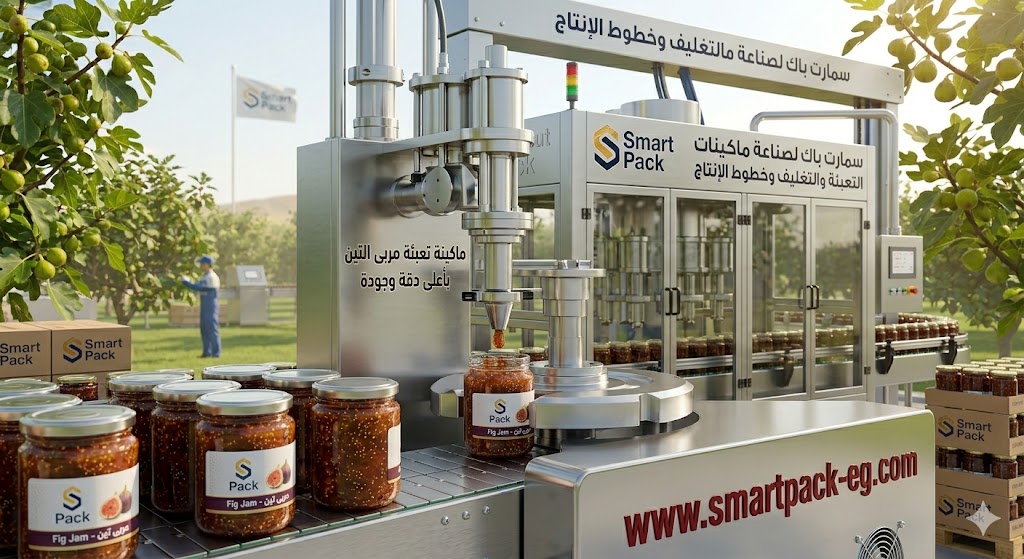
Fig jam is a semi-viscous product and may contain fruit pieces, requiring filling machines designed for this texture.
Suitable filling machine options include:
-
Viscous liquid filling machines
-
Semi-viscous filling machines with fruit pieces
-
Semi-automatic filling machines for glass jars
-
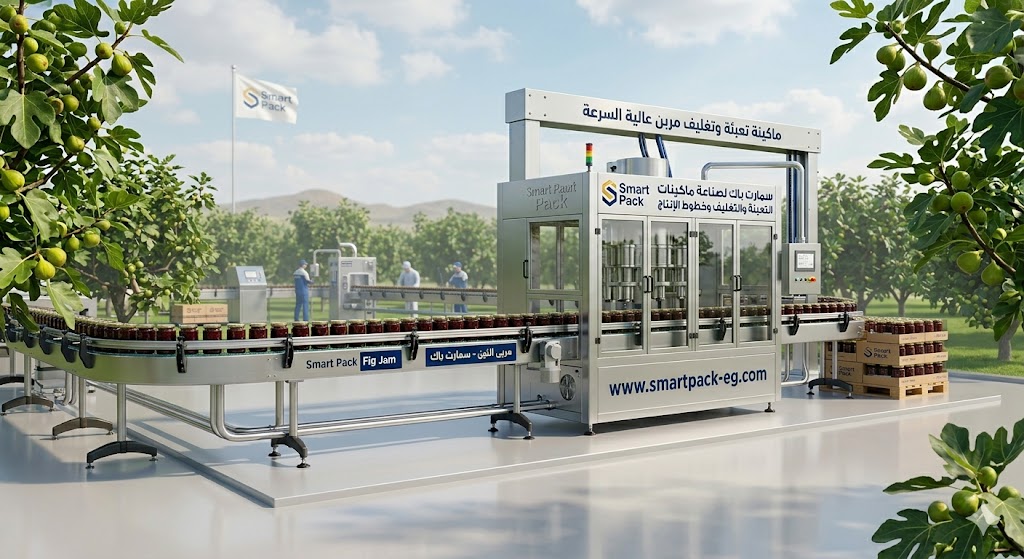
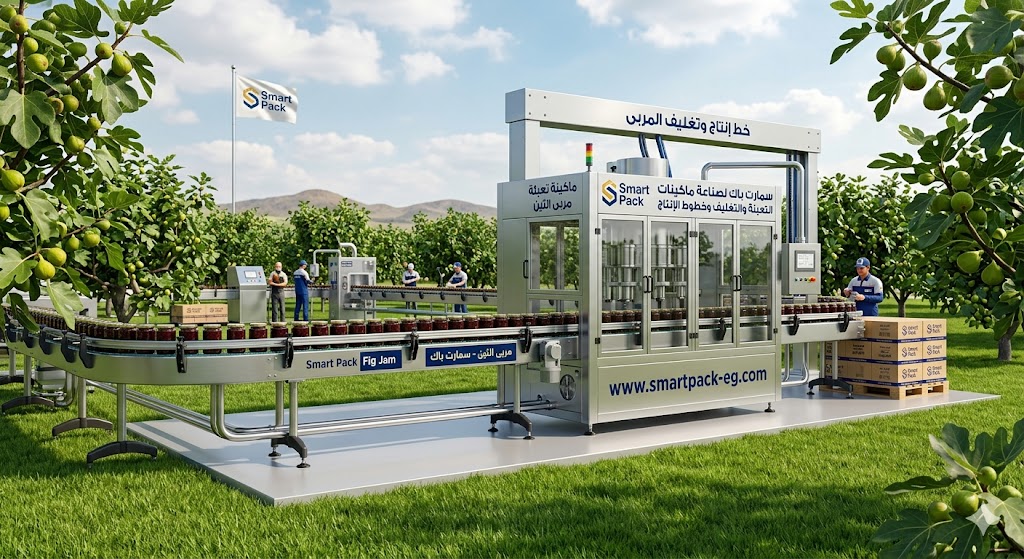
Fully automatic filling and packaging machines for medium and large production lines
Choosing the right filling and packaging equipment reduces waste, improves production efficiency, and enhances the final product’s appearance.
Comparison Tables for Production Capacities and Equipment Options
Production Capacity Comparison
| Production Capacity | Factory Size | Investment Cost | Profit Margin |
|---|---|---|---|
| 250 kg per day | Small | Low | High |
| 1 ton per day | Medium | Medium | Very High |
| 3 tons per day | Large | High | Excellent |
Filling Machine Options
| Machine Type | Automation Level | Suitable For |
|---|---|---|
| Manual machine | Low | Limited production |
| Semi-automatic machine | Medium | Start-up factories |
| Automatic machine | High | Commercial and export-oriented factories |
Fig Jam Market Study
The fig jam market is considered high-value compared to traditional jam varieties. Demand comes from:
-
Local retail markets
-
Gourmet and premium food stores
-
Restaurants and hotels
-
Arab markets
-
Selected European markets
Thanks to its premium image, fig jam offers strong pricing flexibility and attractive margins.
Cost, Profitability, and Return on Investment
Project costs typically include:
-
Production line equipment costs
-
Filling and packaging machine costs
-
Raw fig costs
-
Operating and energy expenses
Due to the high selling price of fig jam relative to raw material cost, net profit margins between 35% and 55% are achievable. In many cases, capital recovery can be achieved within 12 to 16 months with consistent operation and effective marketing.
Smart Investment Tips for a Successful Fig Jam Project
-
Select fully ripe, high-quality figs
-
Preserve the natural texture as a key marketing advantage
-
Use glass packaging to reflect the product’s premium value
-
Take advantage of peak fig seasons to reduce raw material costs
-
Rely on high-precision filling machines to minimize product loss
Why Choose Production Lines and Machines from Smart Pack?
Producing high-value food products requires reliable and precise equipment. Smart Pack provides integrated solutions in food production and packaging, including:
-
Custom-designed jam production lines
-
Filling machines for viscous and semi-viscous products
-
Technical expertise and after-sales support
-
Flexible solutions designed for future expansion
Working with a single trusted supplier ensures full production integration from raw material to final packaged product.
Frequently Asked Questions
Is fig jam in demand in the market?
Yes, fig jam enjoys strong demand locally and internationally, especially in premium markets.
Can production start with a small line?
Yes, factories can start with a small-capacity line and expand as demand grows.
What is the best filling machine for fig jam?
Viscous or semi-viscous filling machines capable of handling fruit pieces are ideal.
Is fig jam suitable for export?
Yes, its long shelf life and high value make it well suited for export markets.
What is the most important success factor for the project?
Raw material quality, precise processing, and selecting the right filling equipment.
If you are looking for a high-value food product with low competition and strong profit potential, industrial fig jam production and filling represent a highly profitable manufacturing opportunity for your factory.
Start building a professional production line today, invest in high-quality filling and packaging machines, and transform a delicate seasonal fruit into a stable, high-return product.
Contact Smart Pack now for a technical consultation and a customized production line design that delivers the best possible return on investment.