 Admin
Admin The Role of Production Lines in Manufacturing Date Pit Powder with Consistent Quality
Investing in Date Pit Grinding as an Opportunity to Increase Profits and Reduce Waste
How to Grind Date Pits and Convert Them into Powder for Industrial Use
Grinding date pits is one of the most important industrial processes that enables factories to transform a solid production by-product into a high-value raw material used in multiple industries such as functional foods, animal feed, and various industrial applications.
Factories that adopt a modern industrial mindset no longer view date pits as waste or an extra cost, but rather as a real opportunity to reduce losses, diversify products, and generate additional profits from the same production line. The success of this process depends primarily on selecting the right production lines and applying well-designed grinding and processing technologies.
What Are Date Pits and Why Do They Require Special Processing Before Grinding
Date pits are characterized by high hardness and density compared to other parts of the date fruit, making them unsuitable for direct use without industrial processing.
They contain fibers and natural oils within a very hard structure
They cannot be ground directly without prior preparation
They require heavy-duty equipment designed for solid materials
Any error in preparation may cause equipment damage or non-uniform powder
For this reason, the process always begins with essential pre-treatment steps before actual grinding.
Stage One: Collecting and Industrial Cleaning of Date Pits
The first step in converting date pits into industrial powder is ensuring complete cleanliness and removal of any unwanted residues.
Separating date pits from pulp and sugar residues
Washing the pits to remove adhered impurities
Removing damaged or broken pits
Preparing the pits for subsequent processing stages
This step is critical to ensure the quality and safety of the final powder, especially when used in food or animal feed factories.
Stage Two: Complete Drying Before Grinding
Drying is a decisive step in the date pit grinding process, as any remaining moisture directly affects grinding efficiency and product quality.
Reducing moisture content to safe levels
Preventing clumping during grinding
Protecting grinding equipment from damage
Improving the homogeneity of the final powder
Industrial dryers or thermal drying systems are commonly used within integrated production lines.
Stage Three: Primary Crushing of Date Pits
Due to their extreme hardness, date pits are not ground directly into fine powder but first undergo a primary crushing stage.
Reducing pit size into smaller fragments
Reducing the load on fine grinding mills
Improving energy efficiency
Extending equipment lifespan
This stage is performed using industrial crushers designed for hard materials.
Stage Four: Grinding Date Pits into Fine Powder
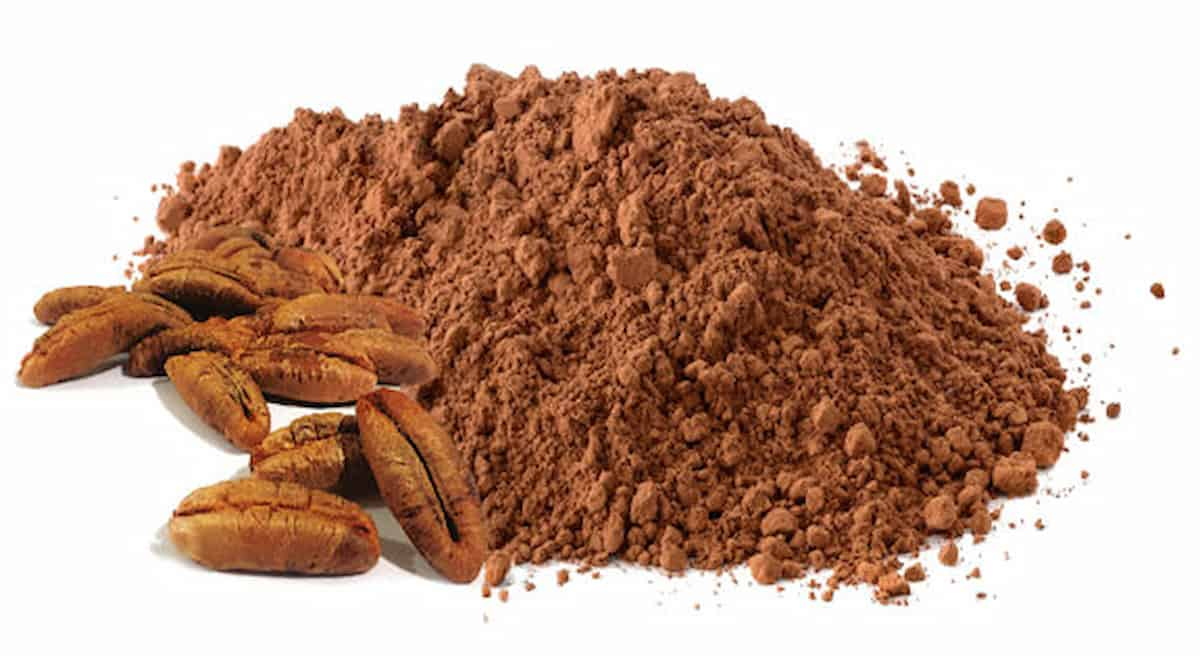
After crushing, the main grinding stage begins, converting the pits into powder suitable for industrial use.
Using powerful mills suitable for fibrous and hard materials
Controlling fineness according to the final application
Ensuring uniform particle size
Reducing material loss during grinding
The resulting powder can be used in food processing equipment or animal feed production lines according to required specifications.
Stage Five: Sieving and Classification
Sieving ensures a homogeneous powder that meets market requirements.
Separating oversized, non-conforming particles
Re-grinding unsuitable fractions
Standardizing final powder particle size
Improving product quality and industrial acceptance
This step significantly increases the commercial value of the powder.
Stage Six: Industrial Packaging and Packing
After grinding, packaging becomes a key factor in product success.
Protecting the powder from moisture
Facilitating transportation and storage
Presenting the product in a professional form
Preserving the physical properties of the powder
Using packaging machines designed for powders ensures consistent quality and stronger marketability.
Industrial Applications of Date Pit Powder
Date pit powder is used in several industrial applications.
Animal feed as a fiber source
Selected functional food products
Roasted date pit coffee alternatives
Natural food additives
Other industrial applications depending on particle fineness
This diversity of uses increases profit opportunities and reduces investment risks.
Tables Illustrating Date Pit Grinding Stages
Stages of Converting Date Pits into Industrial Powder
| Stage | Industrial Objective | Quality Impact |
|---|---|---|
| Cleaning | Removing impurities | Product safety |
| Drying | Reducing moisture | Grinding efficiency |
| Crushing | Size reduction | Equipment protection |
| Grinding | Powder production | Fineness and uniformity |
| Sieving | Particle standardization | Market acceptance |
| Packaging | Product protection | Quality stability |
Impact of Grinding Quality on Profitability
| Grinding Level | Application | Profit Impact |
|---|---|---|
| Poor grinding | Limited use | Low profits |
| Uniform grinding | Food and feed | Stable profits |
| High-quality grinding | Multiple applications | Higher profits |
Industrial Tips for a Successful Date Pit Grinding Project
Select production lines designed for solid materials
Never skip the drying stage
Define powder fineness based on target market
Invest in suitable packaging machines
Test the product before commercial expansion
The Role of Smart Pack in Supporting Date Pit Grinding Projects
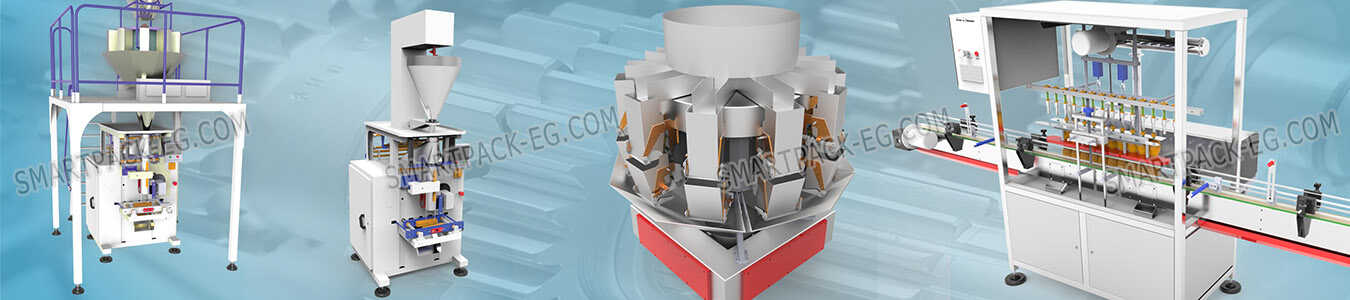
Successfully converting date pits into industrial powder requires integrated equipment solutions, from processing to packaging. The solutions provided by Smart Pack in production lines and packaging machinery help food and feed factories produce high-quality, market-ready, and profitable date pit powder with consistent standards.
Frequently Asked Questions About Date Pit Grinding
Is date pit grinding difficult?
Yes, due to hardness, but it becomes manageable after proper drying and crushing.
Is date pit powder safe for food use?
Yes, when proper cleaning and processing steps are followed.
What is the most common application?
Animal feed production.
Does the project require large investment?
It depends on production capacity and selected processing lines.
Can date pit powder be exported?
Yes, especially for feed and industrial applications.
Conclusion
Grinding date pits and converting them into powder for industrial use is a clear example of how factories can transform waste into a real economic resource. Investing in suitable production lines and professional packaging machinery opens wide opportunities to increase profits, improve efficiency, and build a smart production model that wastes nothing.
Success here depends not only on raw material availability, but on how effectively it is utilized according to modern, competitive, and sustainable industrial standards.