 Admin
Admin The Economic Value of Date Seeds as a Neglected Industrial Resource That Can Be Turned into Profit
Date Seeds Between Food Processing and Modern Animal Feed Industries
Large-Scale Production Opportunities for Date Seeds and Their Role in Reducing Industrial Costs
Investing in Date Seeds as a Smart Entry Point to Maximize Factory Profits
The Economic Value of Date Seeds and How Food and Feed Factories Can Benefit
Date seeds have long been considered a low-value by-product left behind after date processing. However, this perception has changed significantly with the advancement of food processing machinery and the growing adoption of the circular economy concept in food and animal feed factories.
Today, date seeds represent a real industrial raw material with increasing economic value. When utilized intelligently within dedicated production lines, they can help reduce costs, diversify products, and increase overall profitability. Industrial utilization of date seeds is no longer optional—it is a clear investment opportunity for manufacturers who understand their potential.
What Are Date Seeds and Why Do They Represent an Economic Opportunity?
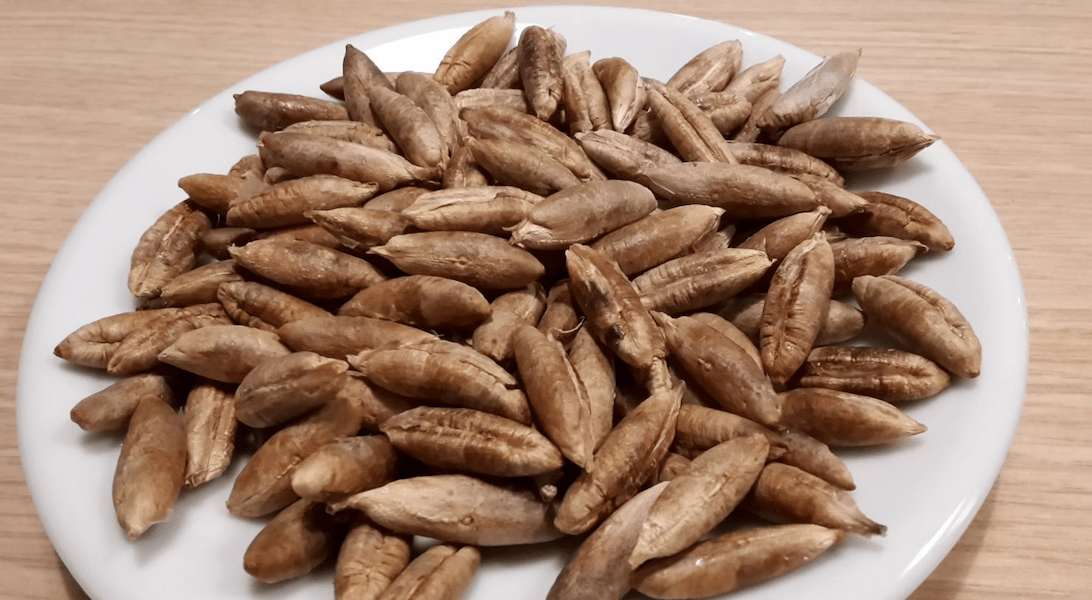
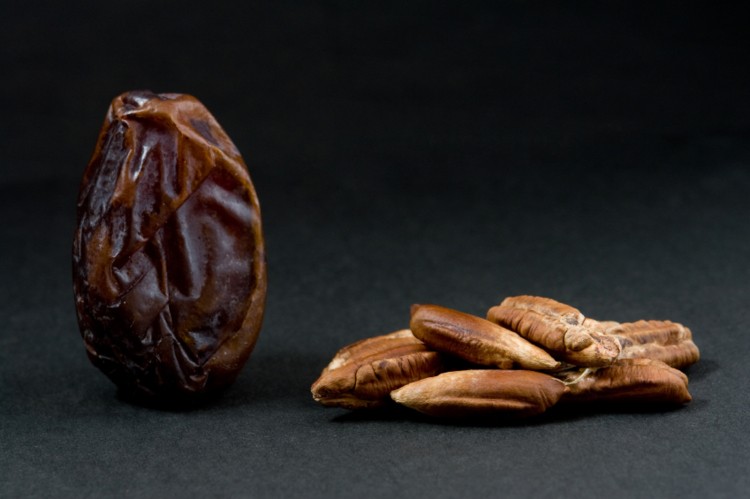
Date seeds are the hard inner part remaining after dates are consumed or processed, representing a significant percentage of total date mass in industrial operations.
They are generated in large, consistent quantities in date processing factories
They contain fibers, oils, and valuable natural components
They are low-cost compared to conventional raw materials
They are available year-round with stable supply chains
These characteristics make date seeds an attractive resource for industrial reuse instead of disposal.
Nutritional and Industrial Value of Date Seeds
Despite their hardness, date seeds contain components that give them notable nutritional and industrial importance.
High fiber content suitable for animal feed formulations
Vegetable oils that can be extracted and utilized
Physical properties that allow grinding into fine powders
Good stability during storage and transportation
These features open the door to multiple industrial applications through specialized production lines.
How Food Factories Can Benefit from Date Seeds
Food manufacturers are increasingly transforming date seeds from waste into value-added ingredients.
Production of date seed powder as a high-fiber ingredient
Use in healthy food products and natural supplements
Development of roasted date seed beverage alternatives
Integration into functional and wellness food products
This approach increases added value and creates new product lines from previously discarded materials.
The Role of Date Seeds in Modern Animal Feed Production
The animal feed sector is currently the largest beneficiary of date seed utilization due to its nutritional profile and low cost.
A reliable fiber source in feed formulations
Improves feed texture and nutritional structure
Reduces dependence on expensive imported raw materials
Well suited for large-scale feed manufacturing
Using date seeds in feed production directly reduces manufacturing costs and improves profit margins.
The Role of Production Lines in Maximizing Date Seed Utilization
Transforming date seeds into usable products requires production lines designed for solid and hard materials.
Cleaning and pre-drying systems
Heavy-duty grinding units for hard seeds
Sieving systems to control particle size
Integration with production and packaging systems
The more specialized the production line, the higher the efficiency and the lower the waste rate.
The Importance of Packaging in Date Seed Products
After processing, packaging becomes a decisive factor in commercial success.
Protection from moisture and spoilage
Ease of transportation and storage
Professional market presentation
Higher market value and customer trust
Using packaging machines suitable for powders and animal feed transforms date seeds into fully marketable products.
Tables Illustrating the Economic Value of Date Seeds
Disposal vs. Industrial Utilization of Date Seeds
| Aspect | Disposal | Industrial Utilization |
|---|---|---|
| Cost | Transport and disposal expenses | Low-cost raw material |
| Added Value | None | High |
| Environmental Impact | Negative | Positive |
| Profitability | Indirect loss | Additional profit source |
Date Seed Utilization by Factory Type
| Factory Type | Industrial Use | Financial Impact |
|---|---|---|
| Food factories | Powders and food ingredients | Product diversification and higher profits |
| Feed factories | Feed blends and fiber | Lower production costs |
| Integrated factories | Food and feed products | Maximum return on investment |
Market Outlook for Date Seeds and Their Products
Demand for date seed-based products is growing due to:
Rising prices of traditional raw materials
Increasing focus on sustainability
Expansion of the animal feed market
Growing interest in functional food ingredients
This growth positions date seeds as a raw material with a clear and promising economic future.
Profit Opportunities and Investment Returns from Date Seeds
Utilizing date seeds fundamentally changes the profit equation in factories.
Reduced waste disposal costs
Creation of new products from existing production lines
Improved resource efficiency
Higher overall factory profit margins
Investing in date seeds means investing in smart production and packaging with zero resource waste.
Smart Tips for Factories Planning to Utilize Date Seeds
Assess available seed volume before investing
Choose production lines suitable for hard materials
Define the target market: food or animal feed
Invest in appropriate packaging machinery
Focus on quality to increase market acceptance
Smart Pack’s Role in Supporting Date Seed Projects
Turning date seeds into profitable products requires precise technical solutions.
Smart Pack’s production lines and packaging machines help food and feed factories utilize date seeds efficiently—transforming them from waste into a sustainable profit source.
Frequently Asked Questions About the Economic Value of Date Seeds
Are date seeds suitable for food processing?
Yes, after proper processing and grinding, they can be used in selected food products.
What is the most common industrial use of date seeds?
Animal feed production is currently the most widespread use.
Is utilizing date seeds profitable?
Highly profitable when sufficient volume and suitable production lines are available.
Do date seeds require special equipment?
Yes, due to their hardness, heavy-duty grinding equipment is required.
Can date seed products be exported?
Yes, especially feed products and processed powders.
Conclusion
Date seeds are no longer a production waste—they are a real economic opportunity capable of transforming profitability in food and animal feed factories. Investing in suitable production lines and packaging machinery opens the door to utilizing a readily available, low-cost, high-return resource.
Smart industrial thinking begins with eliminating waste, and date seeds are the clearest example of how by-products can be converted into sustainable profit and long-term industrial growth.