 Admin
Admin Tamarind Between Consumer Demand and Modern Food Processing Opportunities
Investing in Tamarind Processing as a Growth Opportunity for Food Manufacturers
Modern Tamarind Industry and Its Role in Developing Profitable Food Products
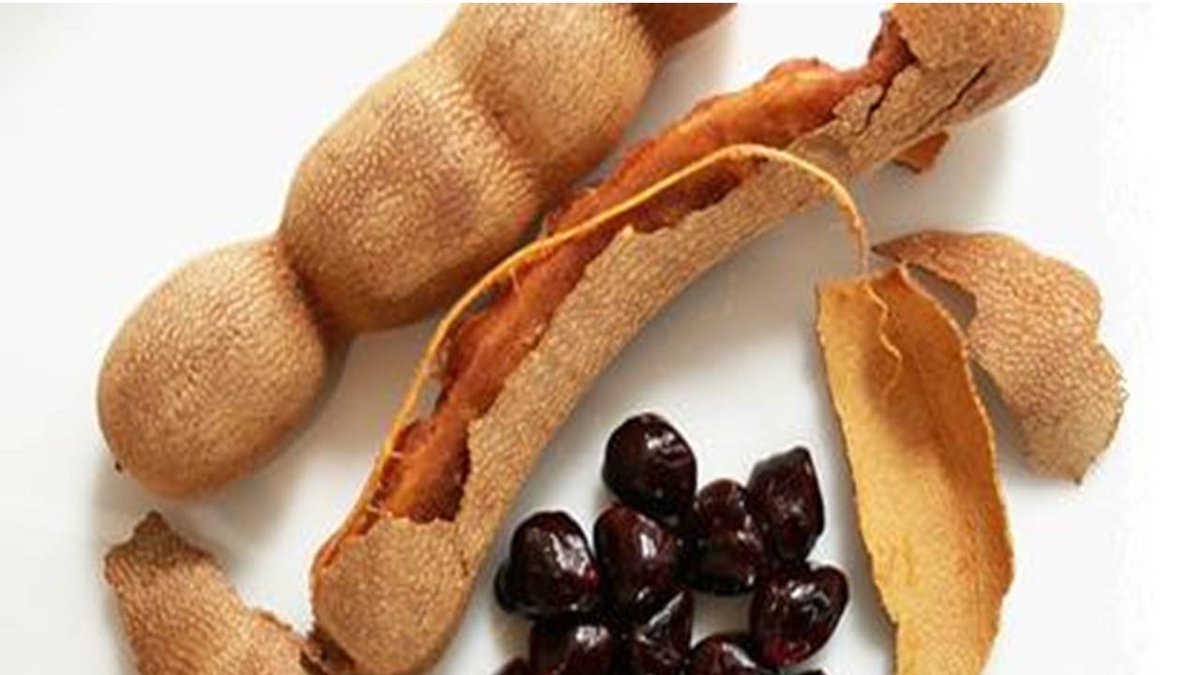
The tamarind industry is no longer limited to traditional, small-scale methods. It has evolved into a fully integrated food processing sector within modern food and beverage factories. This transformation is driven by the growing demand for natural products, healthy beverages, and high-value food alternatives.
By adopting modern tamarind processing, factories can produce and package a wide range of market-ready products capable of achieving stable profits in a highly competitive market.
The Evolution of Tamarind Processing: From Traditional Product to Modern Food Industry
Tamarind processing has undergone a major transformation thanks to advances in food processing machinery and industrial technologies.
Transition from manual preparation to automated production systems
Improved extraction methods that preserve flavor and nutritional value
Standardized quality suitable for local and export markets
Reduced waste and higher operational efficiency within production lines
This evolution has turned tamarind into a scalable industrial raw material, rather than a seasonal traditional product.
The Role of Modern Tamarind Processing in Developing New Food Products
Modern tamarind processing enables factories to innovate and diversify their product portfolios.
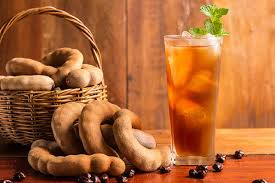
Ready-to-drink tamarind beverages
Natural tamarind concentrates for food applications
Sauces and natural flavor solutions
Low-processed, health-oriented refreshment products
Seasonal products with high market demand
Product diversification directly contributes to higher sales volumes and increased profitability from the same raw material.
How Modern Production Lines Maximize Tamarind Profitability
The success of tamarind processing depends heavily on the efficiency of the production lines used.
Precision extraction lines that preserve natural properties
Mixing and control systems for acidity and concentration
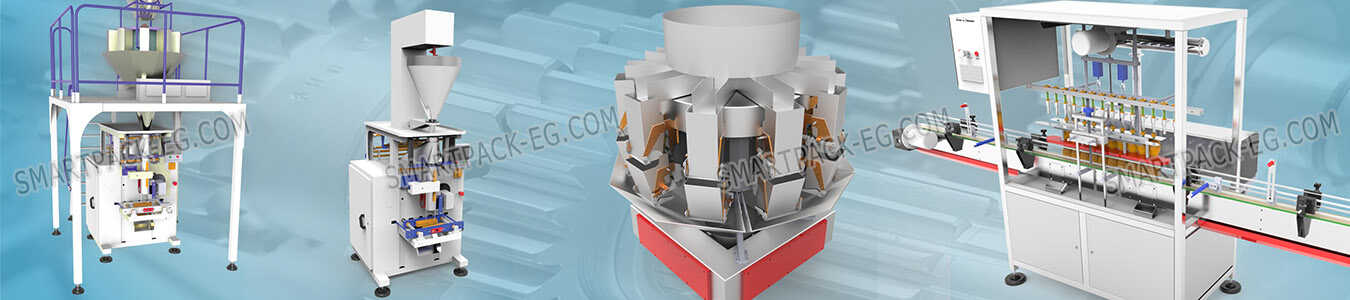
Integration with automatic filling and packaging systems
Higher production capacity without compromising quality
Every improvement in line efficiency directly reduces unit costs and increases profit margins.
The Importance of Filling and Packaging Machines for Tamarind Products
A high-quality product requires professional presentation. Filling and packaging machines play a critical role in transforming tamarind into a successful commercial product.
Preserving flavor and quality throughout shelf life
Protecting the product from contamination and external factors
Ensuring accurate volumes and weights
Enhancing visual appeal and building consumer trust
Professional packaging does not only protect quality—it raises market value and boosts profitability.
Traditional vs. Modern Tamarind Processing
Performance, Quality, and Profitability Comparison
| Aspect | Traditional Processing | Modern Processing |
|---|---|---|
| Product Quality | Inconsistent due to manual methods | Stable and consistent through automation |
| Production Efficiency | Low with high waste | High efficiency and reduced losses |
| Marketing Opportunities | Limited to local markets | Strong local and export potential |
| Profitability | Weak or seasonal | Sustainable and scalable profits |
Tamarind Processing as an Investment Opportunity for Food Factories
The rising demand for natural beverages and healthy food products has made tamarind processing a real investment opportunity.
Expansion of the natural drinks market
Growing consumer awareness of quality and health
Export potential to regional and international markets
Multiple products from a single production line
These factors make investing in tamarind production and packaging a smart long-term industrial decision.
The Role of Equipment Selection in Successful Tamarind Projects
Choosing the right equipment is the key difference between a limited project and a scalable, profitable one. Integrated solutions in filling, packaging, and production lines allow factories to control both quality and cost.
Smart Pack solutions help manufacturers to:
Improve operational efficiency
Reduce product waste
Enhance final product quality
Strengthen market competitiveness
Industrial Development Impact on Tamarind Profitability
| Level of Development | Operational Performance | Impact on Profits |
|---|---|---|
| No modernization | Slow production and inconsistent quality | Limited profits |
| Partial modernization | Noticeable efficiency improvement | Stable profits |
| Fully modern processing | Consistent output and high quality | Strong profit growth |
Smart Tips for Factories Entering the Tamarind Industry
Study market demand before selecting the final product
Choose food processing machines suitable for tamarind characteristics
Integrate production with professional filling and packaging systems
Use quality as a core marketing advantage
Plan for expansion from the beginning
Frequently Asked Questions About Modern Tamarind Processing
Is tamarind processing profitable for food factories?
Yes, especially when using modern production lines and professional packaging.
Which tamarind products are in highest demand?
Ready-to-drink beverages and natural concentrates.
Can factories expand product ranges using the same line?
Yes, thanks to the flexibility of modern production lines.
Does packaging affect product success?
Directly—it increases trust and market acceptance.
Does modern processing reduce costs?
Yes, by minimizing waste and improving operational efficiency.
Strategic Conclusion
Modern tamarind processing is no longer a secondary option—it is a real industrial opportunity for building profitable food products that meet the demands of a market increasingly focused on natural ingredients and quality.
Smart investment in advanced production lines and filling and packaging machines is the key to transforming tamarind from a traditional product into a sustainable source of profits and long-term industrial growth.