 Admin
Admin Types of Tamarind and How Food Factories Choose the Right One for Production and Beverages
Tamarind as a Food Manufacturing Opportunity for Product Diversity and Sustainable Profits
Tamarind is one of the food raw materials characterized by wide variety and multiple industrial applications, giving it high value within food and beverage factories.
Differences between tamarind types do not affect flavor and color alone—they directly influence production decisions, filling and packaging processes, operating costs, and marketability.
Factories that understand these differences and select the most suitable tamarind type for each food application are better positioned to develop successful products and achieve stable profits.
Sweet Tamarind and Its Use in the Food Industry
Sweet tamarind is one of the less acidic varieties and features a balanced flavor that makes it suitable for a wide range of food products.
Used in low-acidity soft drinks
Suitable for children’s products and daily-consumption foods
Common in confectionery and light sauces
Reduces the need for artificial sweeteners
This type is preferred in food processing machinery designed for ready-to-consume, health-oriented products with broad consumer acceptance.
Sour Tamarind and Its Main Industrial Applications
Sour tamarind is the most widely used industrially, thanks to its high natural acidity and strong flavor profile.
Primarily used in traditional tamarind beverages
Ideal for producing concentrates and natural flavorings
Suitable for sauces and complex food products
Delivers strong flavor using smaller raw material quantities
This variety is highly compatible with liquid and concentrate filling and packaging lines, offering high production efficiency and lower operating costs.
Raw, Unprocessed Tamarind in Food Factories
Raw tamarind is commonly used by factories that operate fully integrated processing lines, starting from raw material handling.
Provides full control over acidity and concentration
Lower purchase cost compared to semi-processed forms
Requires additional processing and extraction equipment
Ideal for large-scale industrial projects
This option is preferred by factories targeting high-volume production and long-term expansion.
Tamarind Concentrate and Its Role in Ready-to-Drink Beverages
Tamarind concentrate is a highly efficient semi-processed product widely used in ready-to-drink beverage manufacturing.
Easy integration into production lines
Consistent flavor and concentration
Reduced processing stages
Faster production cycles
This type is ideal for factories relying on automatic filling and packaging machines and aiming for high speed and consistent quality.
Uses of Different Tamarind Types in Food and Beverages
The choice of tamarind type directly defines the nature of the final product.
Cold and hot beverages
Sauces and compound food products
Natural flavorings
Healthy and refreshing products
High-demand seasonal foods
This versatility enables food manufacturers to build diverse product portfolios from a single raw material.
The Role of Production Lines in Handling Different Tamarind Types
Variations in tamarind types require flexible production lines.
Extraction lines for raw, unprocessed tamarind
Precise mixing systems for tamarind concentrates
Acidity and concentration control equipment
Integration with multiple filling and packaging systems
The more flexible the production line, the greater the factory’s ability to diversify products and increase profitability.
Comparison Tables: Tamarind Types and Industrial Uses
Industrial Comparison of Tamarind Types
| Type | Industrial Characteristics | Ideal Use |
|---|---|---|
| Sweet tamarind | Balanced flavor, low acidity, easy processing | Light drinks, children’s products |
| Sour tamarind | Strong flavor, high acidity, efficient usage | Traditional drinks, concentrates |
| Raw tamarind | Full processing control, long-term cost efficiency | Large factories, integrated lines |
| Tamarind concentrate | Easy operation, consistent quality | Ready-to-drink beverages |
Impact of Tamarind Type Selection on Profitability
| Selection | Operational Effect | Profit Impact |
|---|---|---|
| Proper product-type match | Reduced waste and improved quality | Higher profits |
| Poor type selection | Processing issues and flavor inconsistency | Potential losses |
Market Study of Tamarind Types
Demand for tamarind-based products is growing strongly in:
Natural beverages
Health-focused products
Seasonal markets
Export markets
This demand diversity makes tamarind a flexible raw material with strong industrial scalability.
Smart Tips for Factories When Choosing Tamarind Type
Define the final product before selecting the tamarind type
Match the tamarind type with existing food processing machinery
Consider operating costs, not raw material price alone
Test the selected type before large-scale contracts
Plan for future product expansion
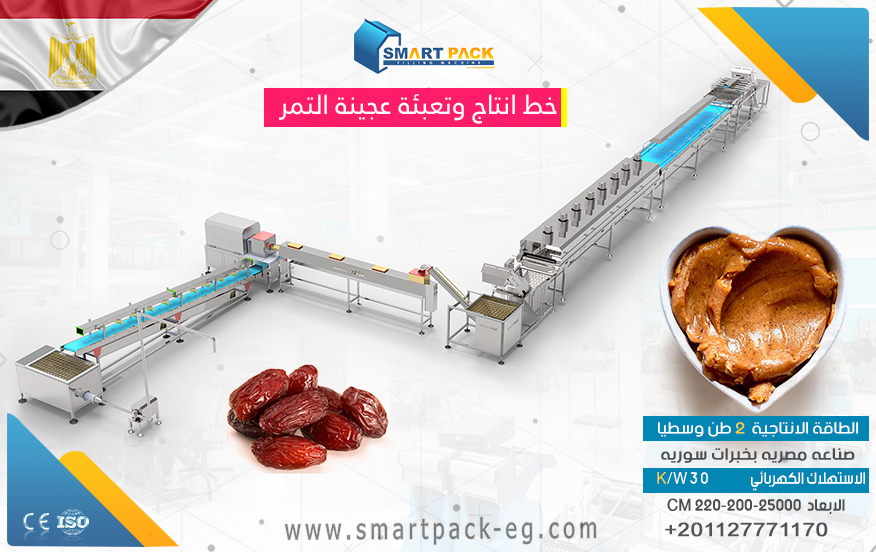
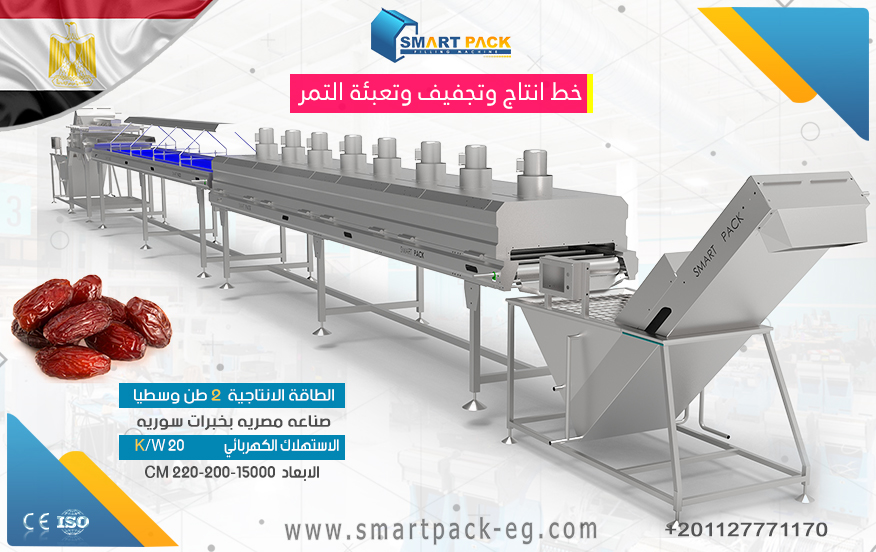
How Smart Pack Supports Tamarind-Based Food Factories
Selecting the right tamarind type requires precise production capabilities.
Smart Pack’s solutions in filling and packaging machines and complete production lines enable factories to efficiently process different tamarind types and convert them into profitable food and beverage products.
Frequently Asked Questions About Tamarind Types
What is the best tamarind type for beverages?
Sour tamarind or tamarind concentrate is most commonly used.
Can one tamarind type be used for all products?
Not recommended—each product has an optimal type for quality and profitability.
Is raw tamarind cheaper?
Yes, but it requires complete processing lines.
How does tamarind type affect flavor?
The type determines acidity level and final taste.
Does tamarind type selection affect profits?
Directly—correct selection reduces costs and increases market acceptance.
Conclusion
The diversity of tamarind types gives food factories a golden opportunity to create multiple products from a single raw material, provided each type is used in the right application.
Smart investment in production lines and filling and packaging machines compatible with tamarind characteristics is the fastest path to stable profits and building a competitive food brand in a rapidly growing market.