 Admin
Admin An Integrated Applied Vision for Factory Disinfection Against Modern Infection Agents
A Professional Methodology for Implementing Advanced Sanitation Systems in Pharmaceutical Manufacturing Facilities
An Advanced Practical Framework to Ensure High-Level Cleanliness in Pharmaceutical Production Lines
An Effective Technical Approach to Reducing Health Risks and Enhancing Product Quality
4
In pharmaceutical and drug manufacturing environments, surface-level cleaning is not enough. What is required is deep, validated sterilization that eliminates all pathogens and viruses at every stage of the production process. For sterilization to deliver real value and comply with international standards, it must rely on scientifically proven methods, safe disinfecting agents, and professional execution inside the factory.
Why Is Sterilization Critical in Pharmaceutical Manufacturing?
In pharmaceutical factories, sterilization directly impacts final product quality and patient safety. It prevents accidental contamination and ensures compliance with strict health and regulatory requirements imposed by authorities.
This process requires more than a basic disinfectant—it demands an integrated sterilization system designed to eliminate bacteria, microbes, and viruses that could compromise pharmaceutical materials during manufacturing or filling stages.
Key Sterilization Methods Used in Pharmaceutical Plants
Industrial sterilization can be performed using several methods, each suitable for specific products and operating conditions:
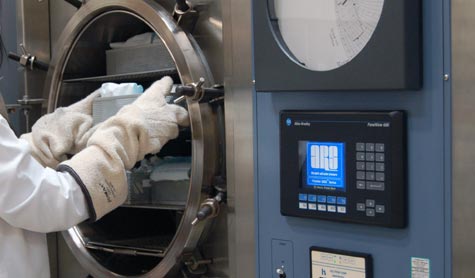
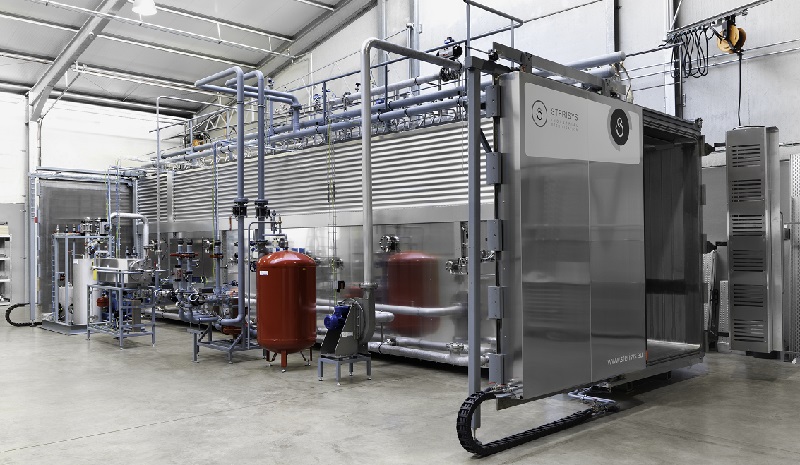
Pure Steam Sterilization
One of the most widely used sterilization methods in pharmaceutical facilities, especially for glassware, metal equipment, and open containers prior to filling.
It is highly effective at penetrating internal components and uses high temperatures to ensure complete elimination of microorganisms.
High-Temperature Water Sterilization
Used to sterilize liquids inside sealed containers that can withstand heat without undergoing thermal shock or chemical degradation.
This method is suitable for certain heat-stable pharmaceutical liquids.
Radiation Sterilization (Gamma / Electron Beam)
A technology that uses radiation to destroy the genetic material of microorganisms within packaged products or finished medical items.
It is widely used for medical devices and certain pharmaceutical products.
Chemical Sterilization (Ethylene Oxide / Hydrogen Peroxide)
Powerful chemical agents used in environments where heat-based sterilization is not possible.
This method is ideal for medical devices and pharmaceutical tools with complex structures or heat-sensitive components.
4
Comparison of Common Pharmaceutical Sterilization Methods
| Sterilization Method | Ideal Application | Key Advantages | Challenges |
|---|---|---|---|
| Steam Sterilization | Metal & glass tools | Very high effectiveness | Requires heat-resistant equipment |
| High-Temperature Water | Sealed liquid products | Effective for liquids | Limited for sensitive formulations |
| Radiation | Packaged products | Penetrates all surfaces | Higher operational cost |
| Chemical Sterilization | Delicate equipment | No high heat required | Requires strict concentration control |
How to Choose the Right Sterilization Method for Your Products
Selecting the appropriate sterilization method depends on several critical factors:
Product type (solid, liquid, semi-solid)
Material properties (heat tolerance or chemical sensitivity)
Regulatory requirements and compliance standards
Operational cost and production efficiency
For example, heat-sensitive pharmaceutical formulations require radiation or chemical sterilization instead of thermal methods.
The Relationship Between Sterilization Quality and Industrial Filling
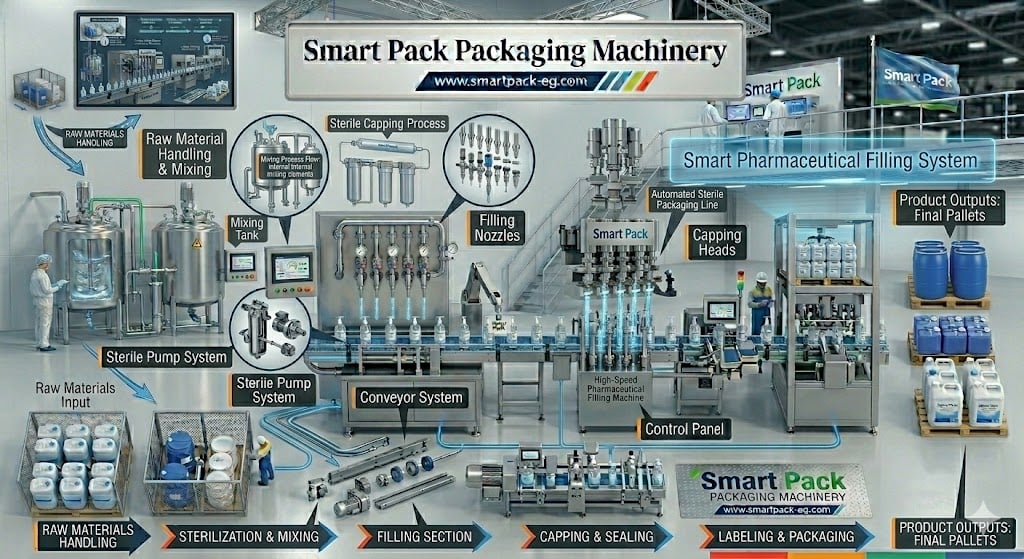
Sterilization cannot be separated from the final filling stage. A sterilized product must be transferred into a clean, secure container to prevent recontamination after sterilization.
This is where professional liquid filling machines play a vital role by:
Organizing filling operations in a controlled environment
Preventing external contamination
Ensuring precise volume control
Delivering a safe, market-ready final product
4
Industrial Sterilization vs. Traditional Disinfection
Traditional disinfection is typically used in households or simple applications and is insufficient for pharmaceutical quality assurance.
Industrial sterilization relies on standardized protocols, specialized equipment, and strict monitoring systems to achieve validated results without compromising product integrity.
Practical Tips for Achieving Effective Factory Sterilization
Understand the nature of your pharmaceutical product before selecting a sterilization method.
Strictly adhere to international standards to ensure market acceptance.
Use advanced monitoring and documentation systems for every sterilization cycle.
Integrate sterilization into the factory’s standard operating procedures.
Ensure seamless integration between sterilization and professional filling and packaging stages.
The Critical Role of Filling Machines in Sterile Pharmaceutical Plants
Once a product is fully sterilized, the filling stage becomes a decisive step. Any error during filling can reintroduce contamination and eliminate the value of prior sterilization.
For this reason, pharmaceutical manufacturers rely on:
Precision-engineered liquid filling machines
Automated sealing systems that prevent contaminant entry
Integrated production lines synchronized with sterilization units
Why Choose Liquid Filling Machines from a Trusted Supplier?
Selecting filling machines is a strategic decision that directly affects product quality, production speed, and profit margins.
A reliable supplier offers:
Proven expertise in pharmaceutical production lines
Comprehensive technical support before and after installation
Spare parts availability and scheduled maintenance
Customized solutions tailored to your factory’s needs
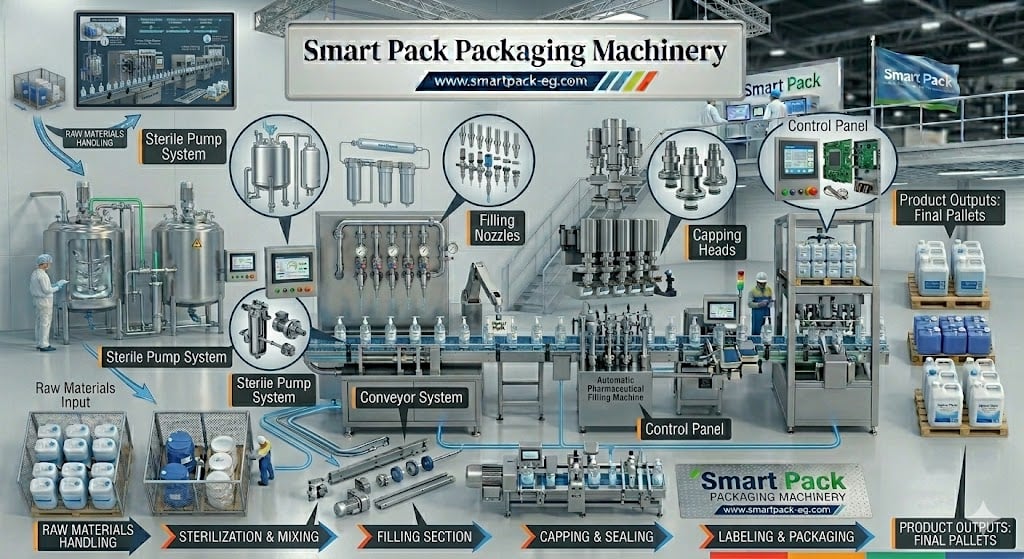
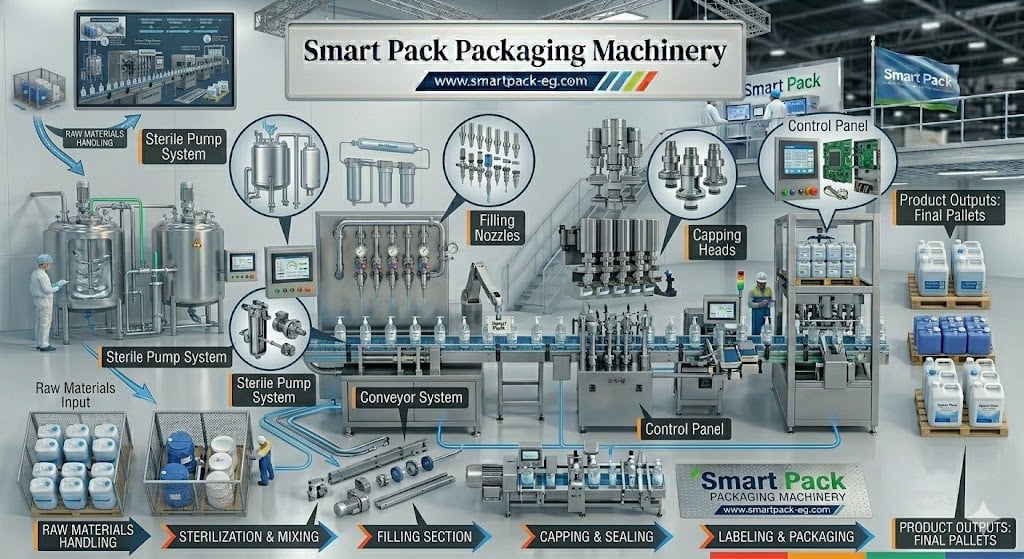
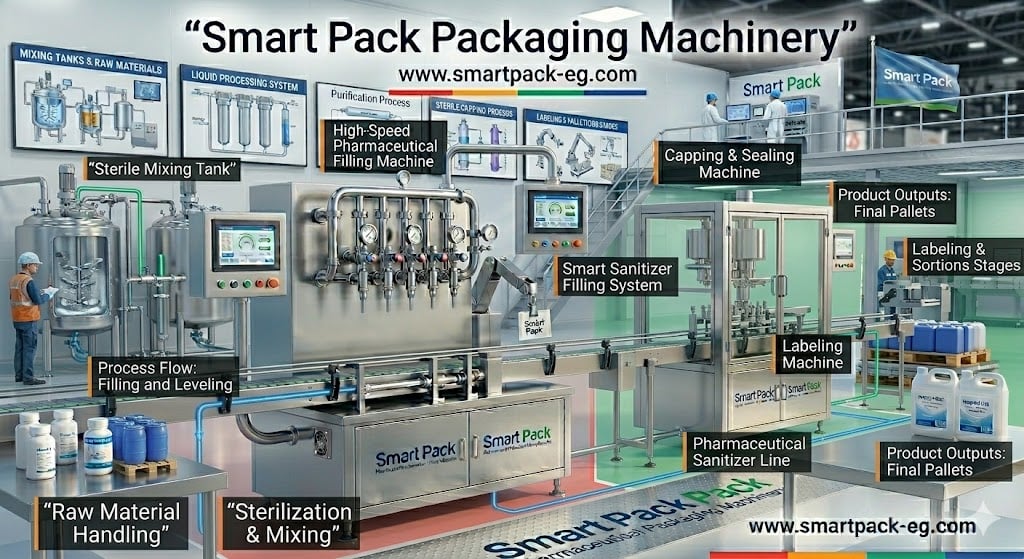
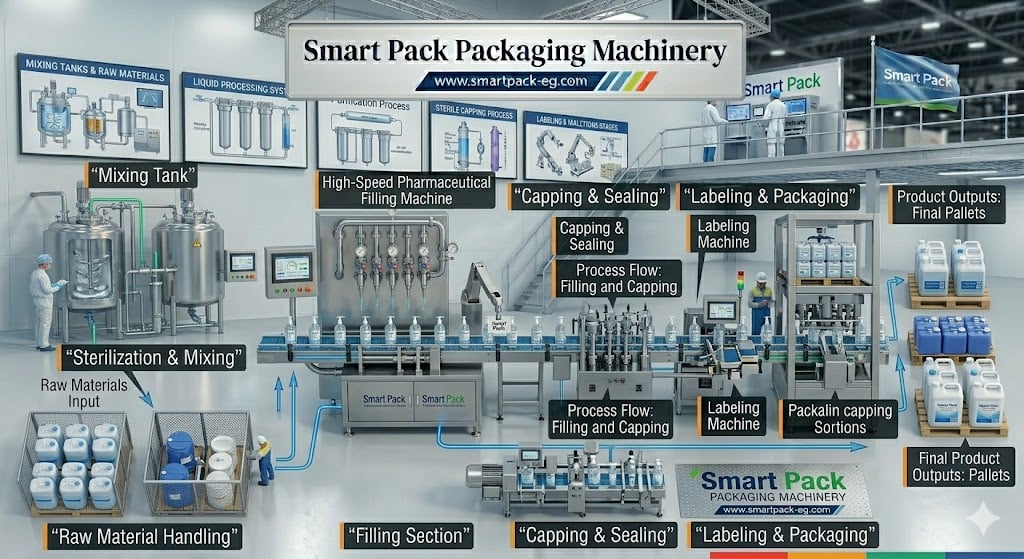
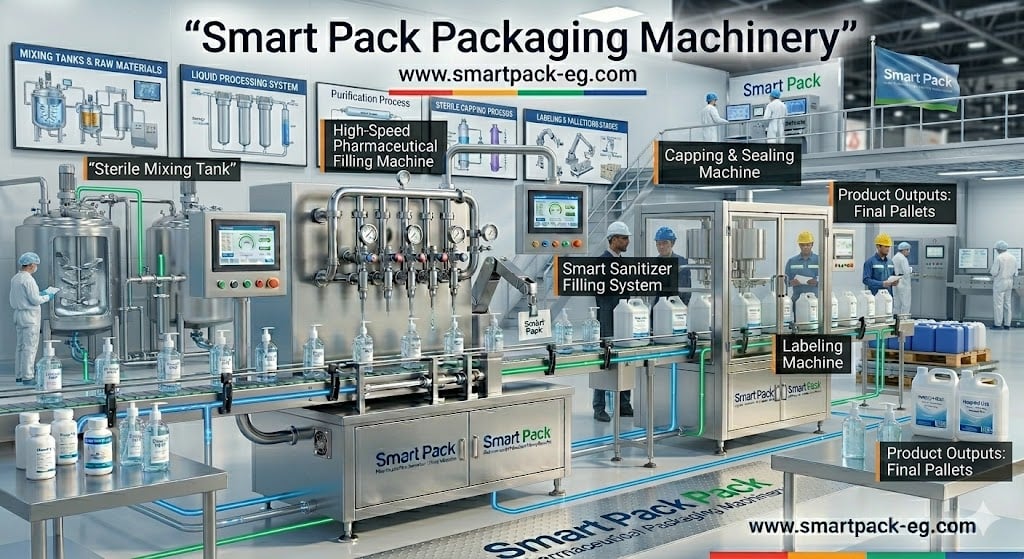
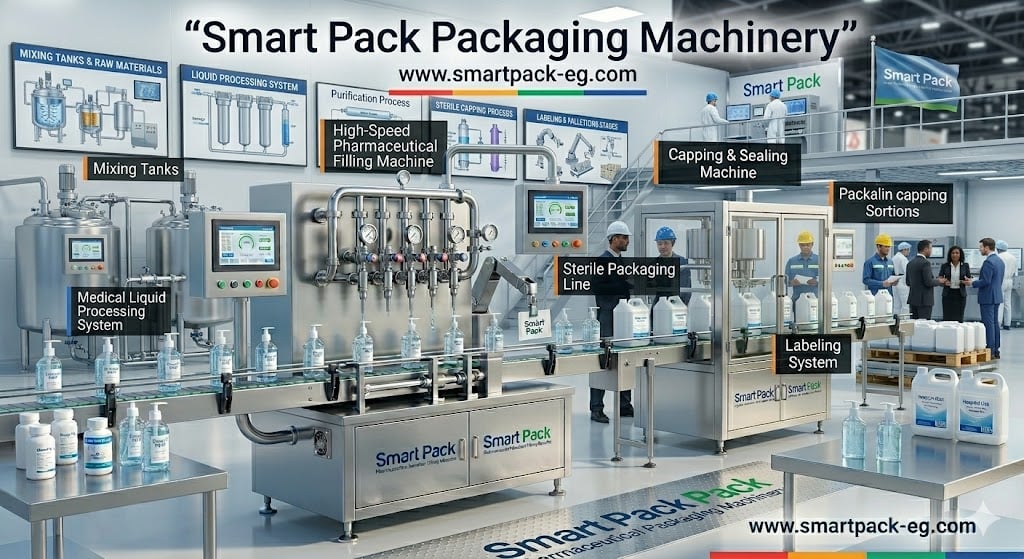
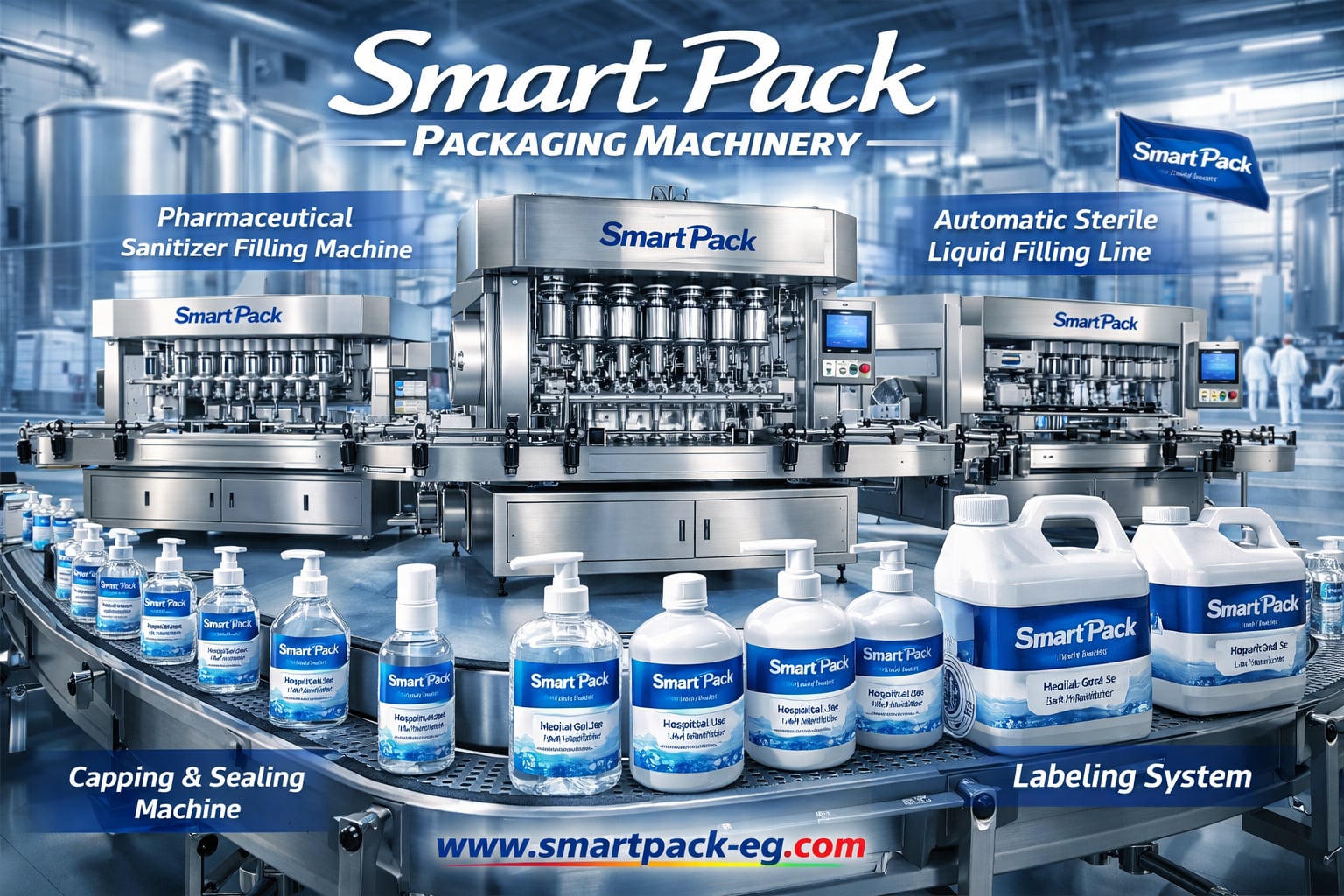
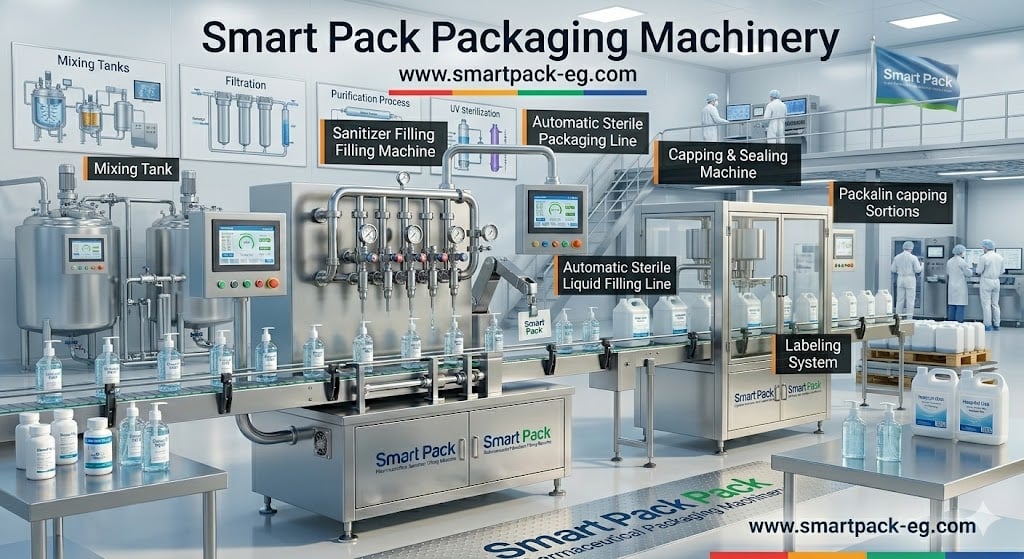
Smart Pack provides liquid filling machines specifically designed to meet sterilization requirements across pharmaceutical, disinfectant, and industrial liquid industries, delivering complete operational support to ensure high-quality output from day one.
Pharmaceutical Factory Sterilization – Frequently Asked Questions
What is the difference between sterilization and disinfection in pharmaceutical plants?
Sterilization eliminates all microorganisms and viruses, while disinfection only reduces their presence without guaranteeing complete elimination.
What is the best sterilization method for heat-sensitive pharmaceutical products?
Radiation or chemical sterilization methods are most suitable for materials that cannot tolerate high temperatures.
Can sterilization be performed without specialized equipment?
No. Pharmaceutical environments require advanced equipment to achieve compliant and validated sterilization results.
How does sterilization affect product quality?
Proper sterilization ensures product safety, purity, and readiness for filling and distribution.
Why is the filling machine part of the sterilization system?
Because improper filling can reintroduce contamination, making filling an essential component of the overall sterile production process.
Sterilizing pharmaceutical factories against viruses and diseases is not a luxury—it is an industrial necessity and a critical health safeguard. Achieving this requires correct implementation based on technology, expertise, and validated systems.
When advanced sterilization methods are combined with high-quality liquid filling machines from a trusted supplier, manufacturers achieve maximum safety, superior product quality, and stronger market confidence.