
 Admin
Admin An Integrated Practical Perspective on Disinfection Methods Using Chlorine and Its Alternatives
A Practical Strategic Framework for Safe and Effective Sanitization in Homes and Facilities
A Professional Approach to Selecting the Right Disinfectants for Every Surface and Environment
An Applied Methodology for Effective Disinfection and Public Health Protection
4
Disinfection and sanitation have become top priorities for both consumers and institutions as health risks continue to rise and viruses and diseases spread globally. Many common beliefs have emerged around effective disinfection methods—especially the use of chlorine and other disinfectants—raising questions about what is truly effective and what is merely exaggerated.
In this article, we present practical facts and best practices for handling disinfectants correctly, emphasizing the importance of selecting high-quality products and using professional packaging solutions to ensure maximum safety, stability, and effectiveness.
Why the Growing Focus on Disinfection Truly Matters
Effective protection against viruses and diseases is not achieved simply by spraying chemicals or relying on conventional cleaning products. It requires a scientific understanding of how disinfectants work, how to apply them correctly, and how to achieve optimal results without harming surfaces or human health.
Popular ideas surrounding disinfection range from scientifically sound practices to overly simplistic or unsafe assumptions. Understanding the difference is essential.
What Is Disinfection and Why Is It Important?
Disinfection is the process of eliminating harmful microorganisms—such as bacteria and viruses—from surfaces, water, and frequently used materials to reduce the risk of infection and disease transmission.
Maximizing the effectiveness of disinfection depends on choosing the right chemical agent, applying it correctly, and allowing sufficient contact time to ensure surfaces are safe for human use.
Chlorine as a Disinfectant: Between Reality and Overuse
Chlorine has been one of the most widely used disinfectants for decades, applied in water treatment, surface sanitation, and public health facilities. Its availability and relatively low cost make it a common choice for both household and institutional use.
4
Advantages of Using Chlorine for Disinfection
Chlorine offers high effectiveness in eliminating most bacteria and viruses when used at recommended concentrations.
It is cost-efficient compared to many alternative chemical disinfectants, making it suitable for large-scale and domestic applications.
It is easy to apply and monitor, with concentration levels that can be controlled accurately.
In certain uses, such as water treatment, it provides a residual protective effect after application.
Challenges and Limitations of Chlorine Use
Chlorine has a strong odor and unpleasant taste, which can limit its suitability—especially in drinking water applications.
It may react with organic matter to form potentially harmful byproducts such as trihalomethanes, which are associated with long-term health risks.
Increasing chlorine concentration does not necessarily improve effectiveness and may damage sensitive surfaces or pose inhalation risks.
Chlorine may be less effective against certain microorganisms compared to advanced alternative technologies.
Comparative Overview: Chlorine vs. Other Disinfection Methods
| Comparison Aspect | Chlorine Disinfection | Alternative Methods (Bleaching Agents, UV, Chlorine Dioxide) |
|---|---|---|
| Effectiveness Against Pathogens | High in most cases | Higher in specific advanced applications |
| Residual Protective Effect | Yes, especially in water | Not always available |
| Material Cost | Low | Higher for some alternatives |
| Ease of Use | Very simple | May require specialized training |
| Health Risks | Present if misused | Lower in certain methods |
| Surface Impact | May corrode metals or damage wood | Depends on the alternative material |
How to Use Disinfectants Correctly Without Overuse
Avoid using excessively high concentrations without proper knowledge, as this does not guarantee better disinfection and may cause unwanted side effects.
Always follow manufacturer instructions and safety guidelines when handling chlorine or other disinfectants.
Ensure proper ventilation to reduce the risk of inhaling fumes during application.
Test the disinfectant on a small surface area first to prevent material damage.
The Role of Professional Packaging in Disinfection Effectiveness
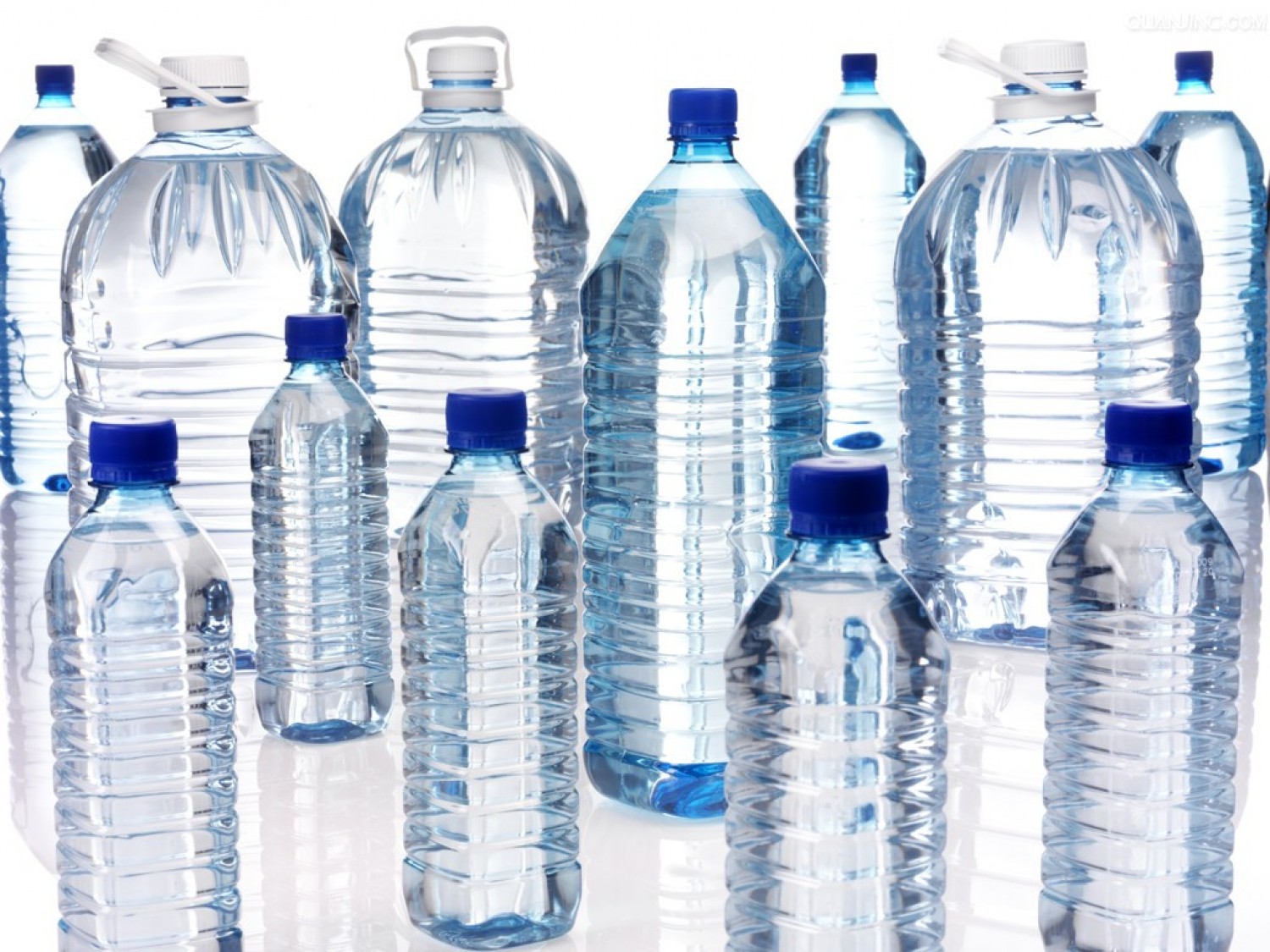
The effectiveness of disinfectants also depends on how they are packaged and delivered to the market. Professional packaging solutions play a crucial role in:
Maintaining concentration stability during storage
Reducing contamination risks during use
Providing user-friendly formats suitable for various environments
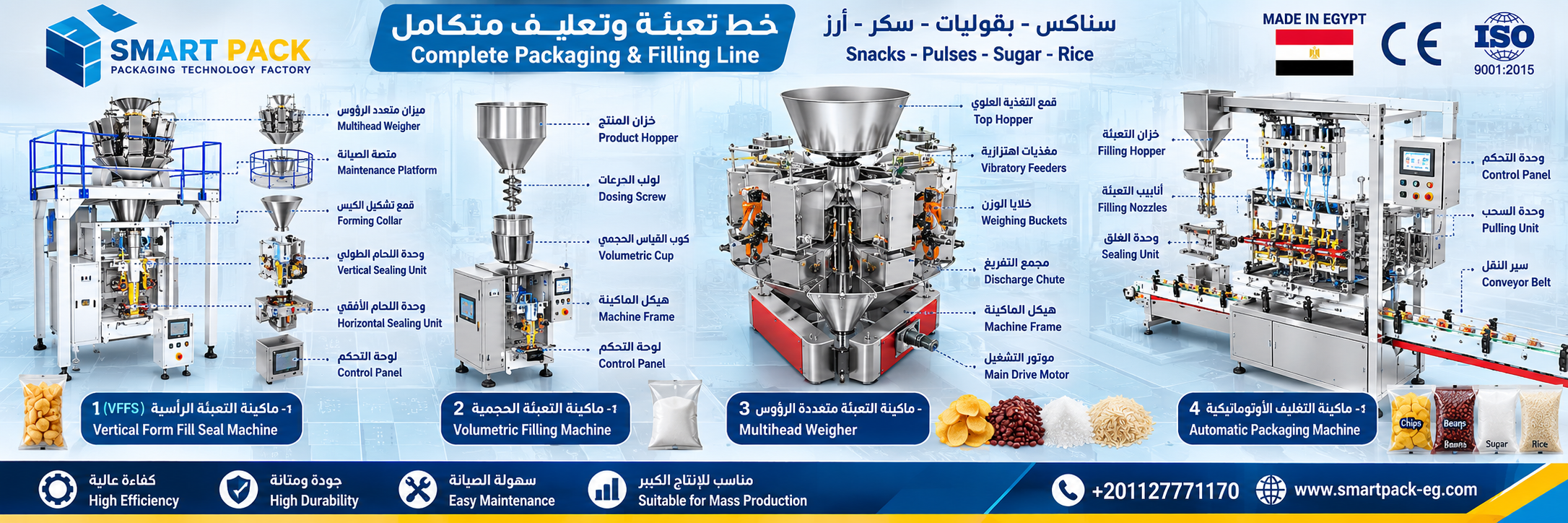
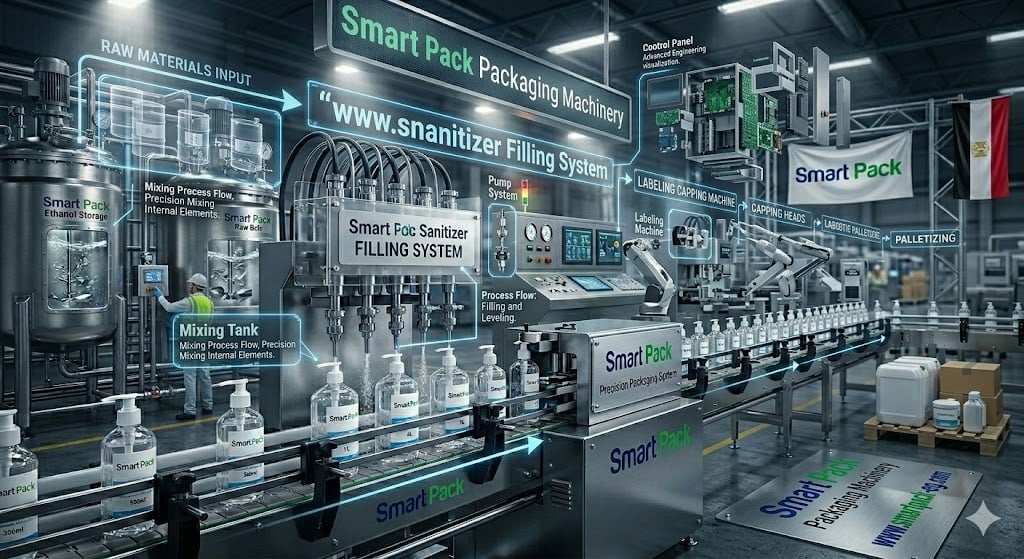
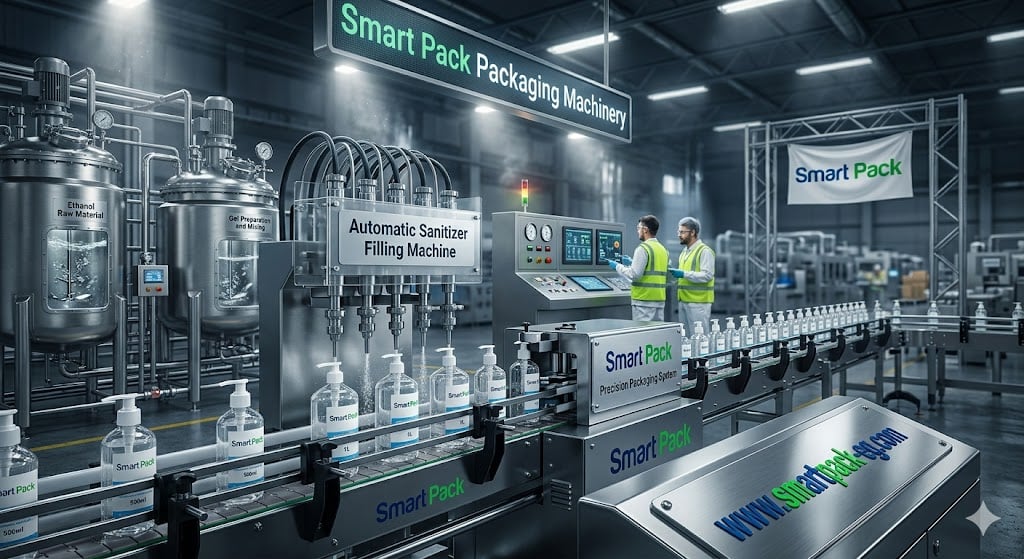
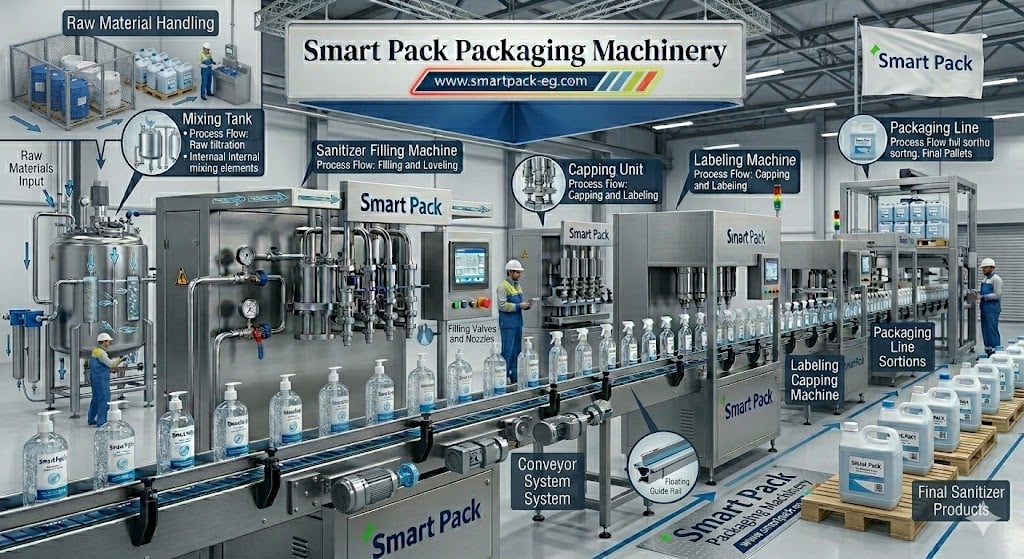
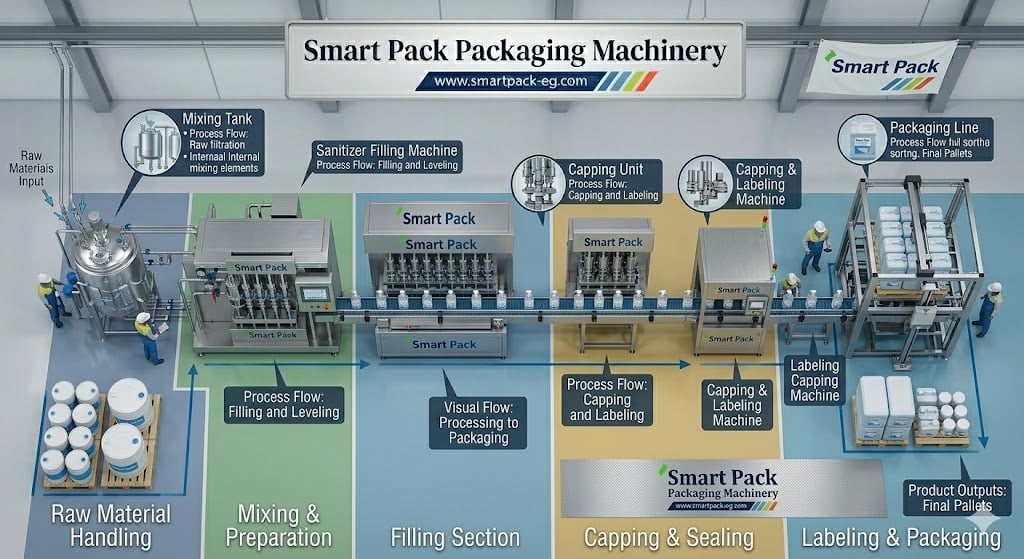
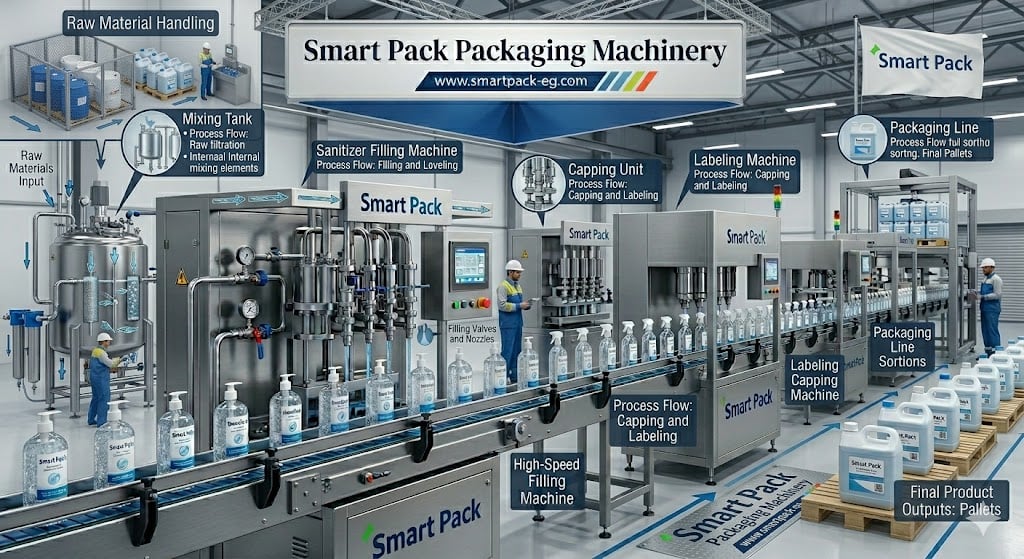
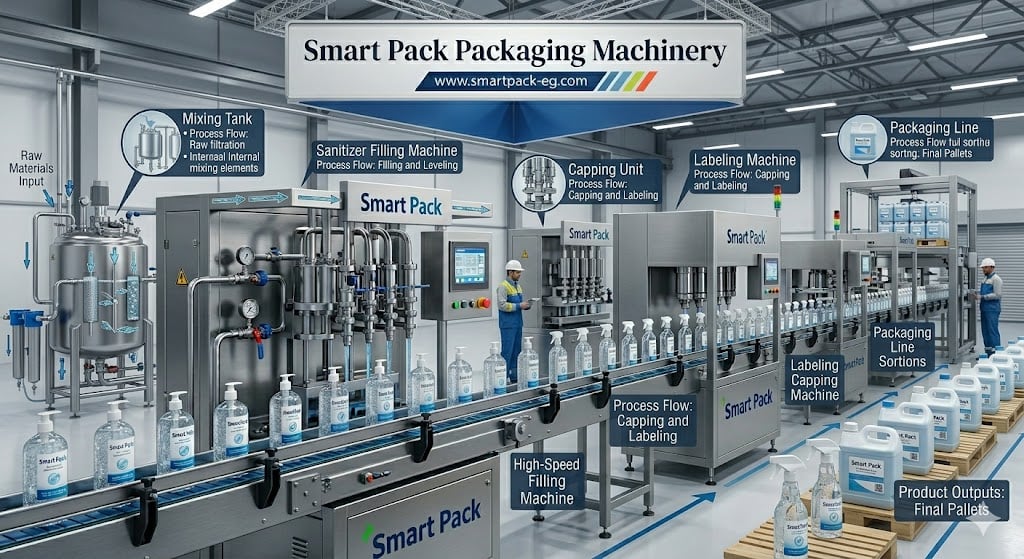
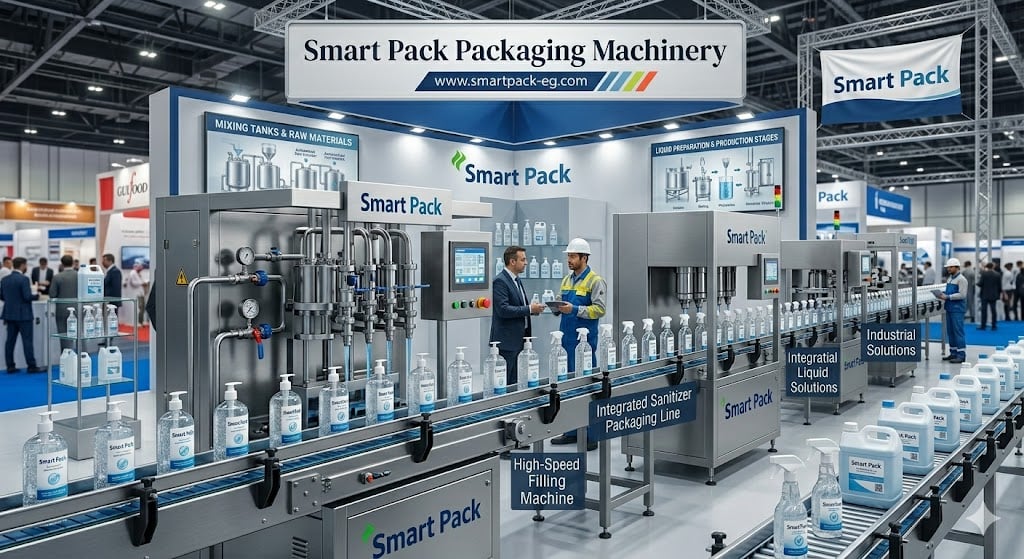
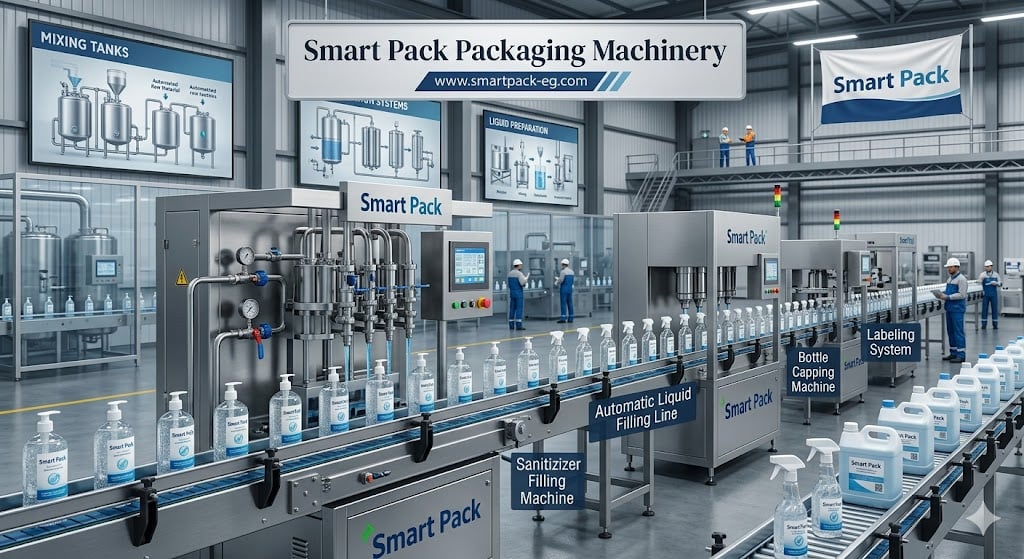
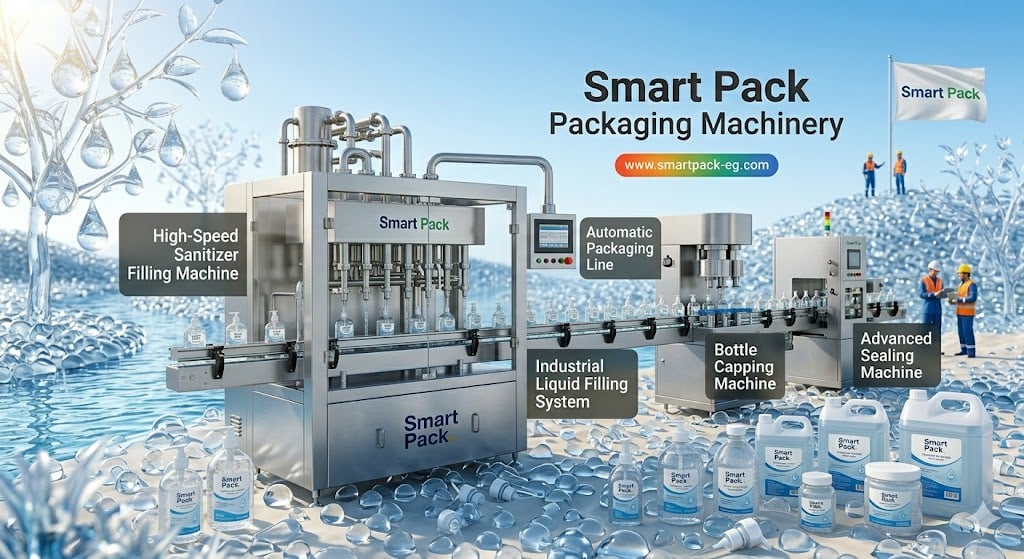
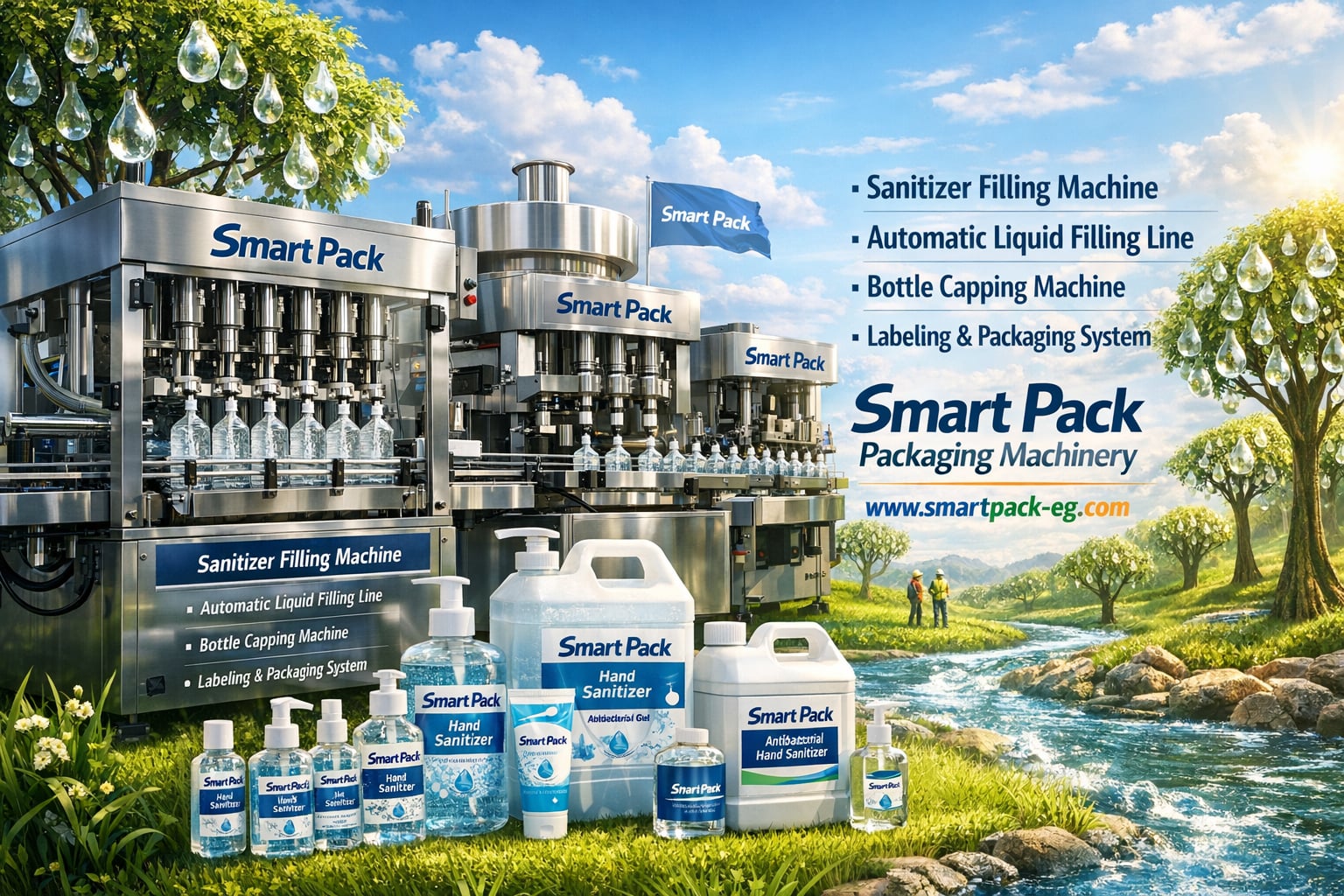
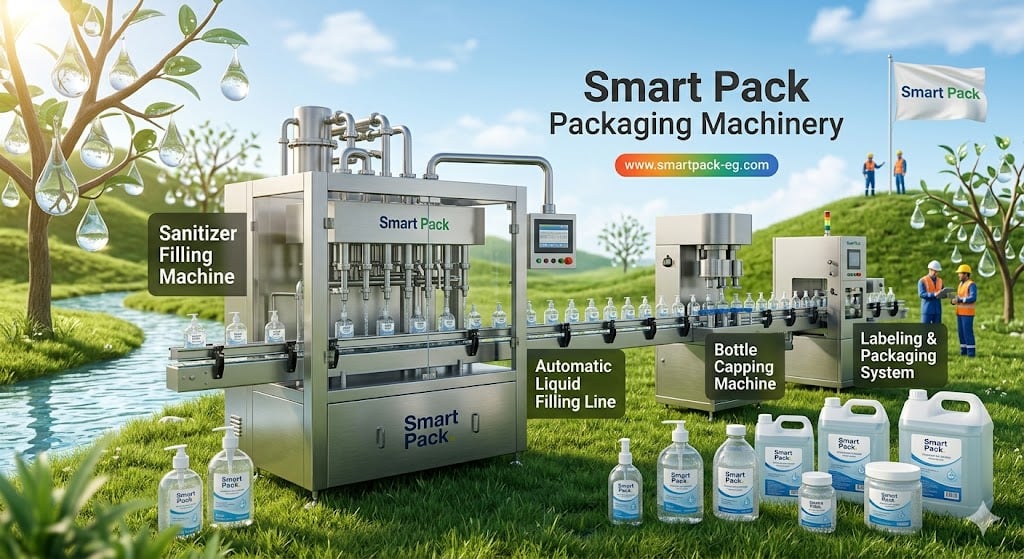
This is where advanced liquid filling machines become essential in production lines, ensuring consistent quality, safety, and reliability of disinfectant products.
4
Why Do Factories and Companies Rely on Liquid Filling Machines?
Product strength lies not only in formulation but also in packaging quality. Liquid filling machines ensure:
Precise dosing in every container
Consistent quality across production batches
A professional appearance that builds consumer trust
Safe handling during storage and transportation
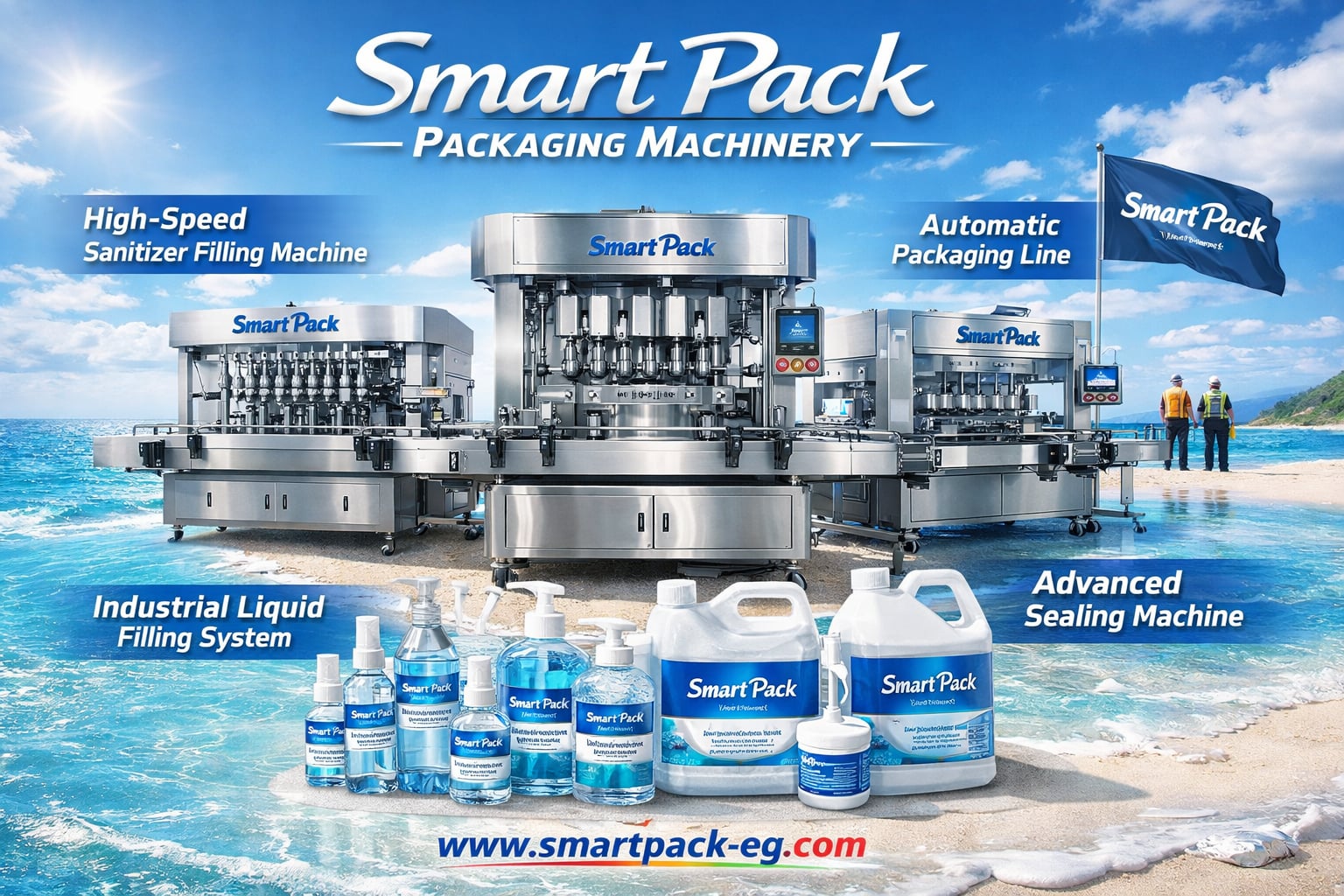
Partnering with a reliable supplier of liquid filling machines, such as Smart Pack, enables manufacturers to implement integrated production solutions that enhance product quality and maximize market success—whether producing disinfectants, cleaning agents, or hygiene products.
Frequently Asked Questions About Chlorine Disinfection
What are the main benefits of chlorine-based disinfection?
Chlorine is highly effective against most bacteria and viruses, easy to apply, and cost-efficient compared to many alternatives.
Is chlorine suitable for water disinfection?
Yes, it is widely used to disinfect drinking water, swimming pools, and distribution networks at safe, controlled concentrations.
Does chlorine leave an odor or taste after use?
A noticeable odor or taste may occur, particularly in water applications, which is why precise concentration control is essential.
Are there safer alternatives to chlorine?
Alternatives such as chlorine dioxide or UV disinfection can be safer in certain applications but often come at a higher cost.
How can chlorine be used safely?
By following safety guidelines, avoiding chemical mixing, and ensuring proper ventilation during application.
While chlorine remains a reliable and effective option for many disinfection processes, true success lies in proper usage, selecting the right disinfectant for each application, and delivering the final product in a professional and safe form.
Investing in advanced liquid filling machines and integrated industrial solutions significantly enhances disinfectant quality, strengthens consumer confidence, and supports long-term success in competitive markets.