




 Admin
Admin Important Guidelines and Instructions for Disinfecting Floors, Surfaces, and Furniture
A Comprehensive Practical Vision for Safe and Effective Disinfection
A Professional Methodology for Daily Hygiene in Homes and Facilities
An Advanced Operational Framework to Improve Cleaning and Disinfection Efficiency
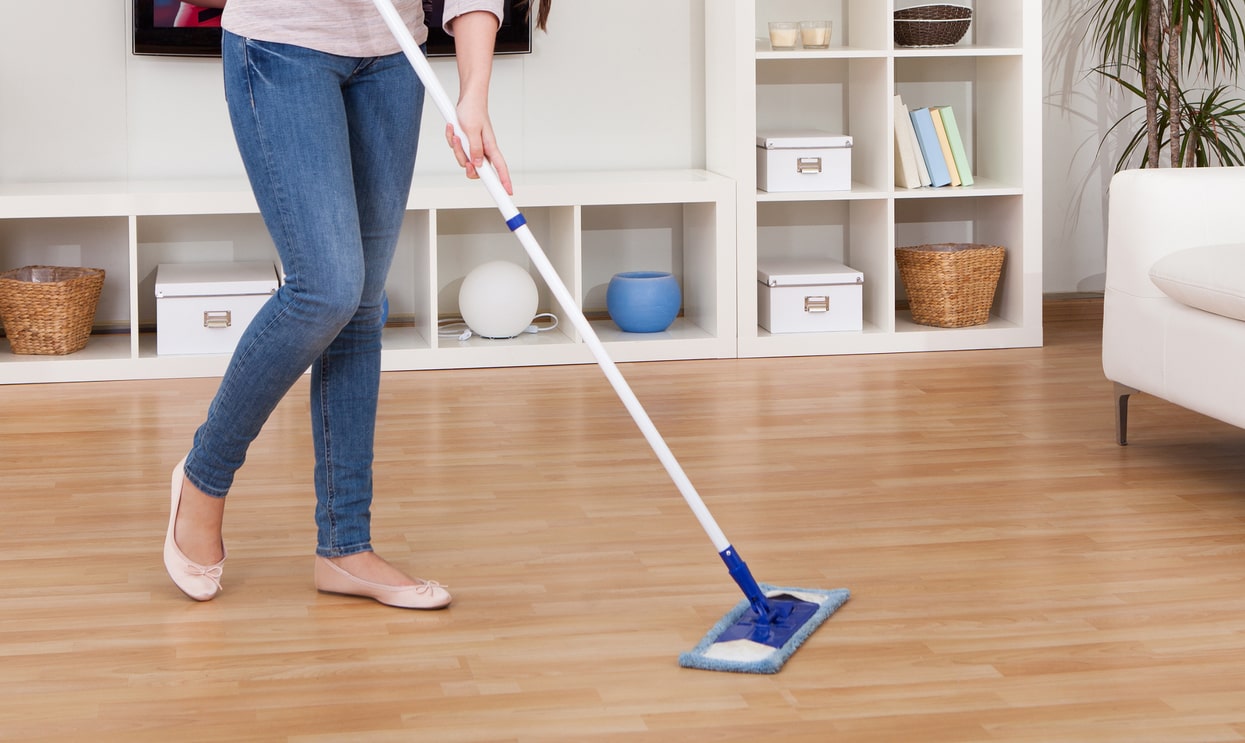
Disinfecting floors, surfaces, and furniture has become an essential part of daily hygiene in homes and facilities. It is no longer a secondary or temporary action, but a necessary step to protect health and maintain a high-quality living and working environment.
Using the right disinfection methods and selecting appropriate cleaning products for each surface directly reduces germ transmission, preserves materials, and achieves effective, safe cleanliness at the same time.
This guide provides a clear, practical approach to understanding how to properly disinfect floors, surfaces, and furniture—while optimizing the use of disinfectants and cleaning products.
4
The Importance of Disinfecting Floors and Surfaces in Daily Life
Floors and surfaces are among the most exposed elements to contamination due to constant use in homes, offices, and service facilities. Regular disinfection is therefore essential to maintain a healthy environment.
Key benefits include:
-
Reducing the spread of bacteria and viruses
-
Protecting the health of family members and staff
-
Improving indoor air quality
-
Extending the lifespan of floors and surfaces
-
Enhancing the effectiveness of cleaning products
Cleaning vs Disinfecting Floors and Surfaces
Cleaning focuses on removing visible dirt, while disinfection targets invisible microorganisms.
Relying on cleaning alone does not provide sufficient protection, and disinfecting without prior cleaning reduces the effectiveness of disinfectants.
Detailed Comparison
| Comparison Element | Cleaning Floors & Surfaces | Disinfecting Floors & Surfaces |
|---|---|---|
| Main goal | Remove visible dirt and grease | Eliminate germs and bacteria |
| Materials used | Regular detergents | Specialized disinfectants |
| Health impact | Improves appearance only | Reduces infection risks |
| Effect duration | Short-term | Longer-lasting |
| Correct order | First step | Follows cleaning |
| Standalone use | Not sufficient | Ineffective without cleaning |
Disinfecting Floors According to Material Type
Different floor materials require different disinfection methods. Using unsuitable products may cause damage or dullness.
Ceramic and Porcelain Floors
Use suitable cleaners with diluted disinfectants, and rinse well to avoid residue buildup.
Wooden Floors
Require specialized wood-safe products. Avoid excess moisture and strong disinfectants that can damage the finish.
Marble Floors
Use pH-neutral cleaners only. Acidic products can cause surface erosion.
Disinfecting High-Touch Surfaces in Homes and Facilities
Surfaces that require frequent disinfection include:
-
Door handles
-
Light switches
-
Tables and desks
-
Kitchen countertops
-
Plastic and metal surfaces
Consistent disinfection of these areas significantly reduces germ transmission and improves overall hygiene.
Proper Furniture Disinfection While Preserving Materials
Wooden Furniture
Clean with a slightly damp cloth and a mild disinfectant. Dry immediately after cleaning.
Metal Furniture
Use gentle cleaners and avoid leaving moisture to prevent corrosion.
Fabric Furniture
Use specialized fabric cleaners or steam cleaning. Always test products on an inconspicuous area first.
Common Disinfection Mistakes to Avoid
-
Mixing different disinfectants together
-
Using higher concentrations than recommended
-
Ignoring proper ventilation
-
Using the same cleaning tools for all surfaces
-
Wiping disinfectants before the recommended contact time
Avoiding these mistakes ensures better results and user safety.
The Relationship Between Disinfectant Quality and Packaging Method
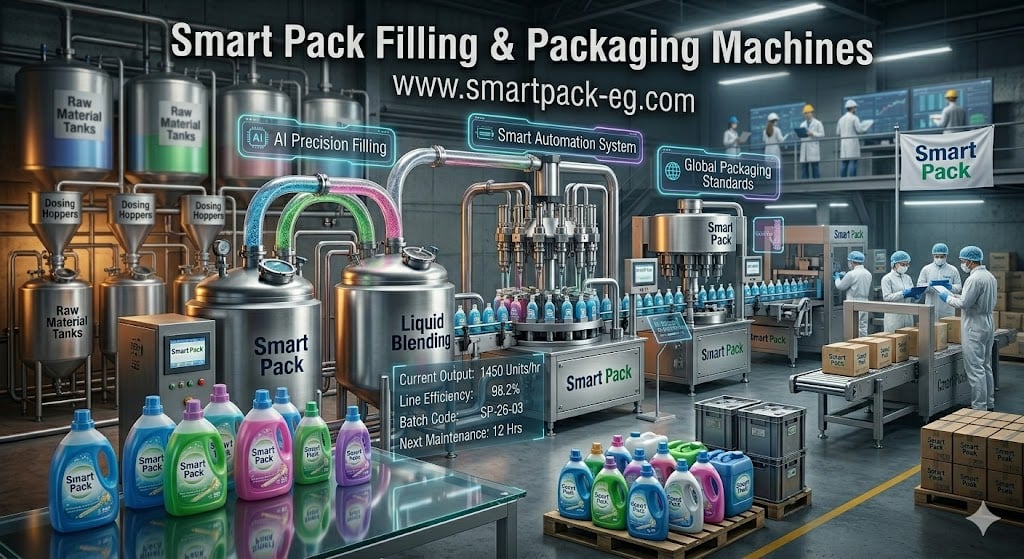
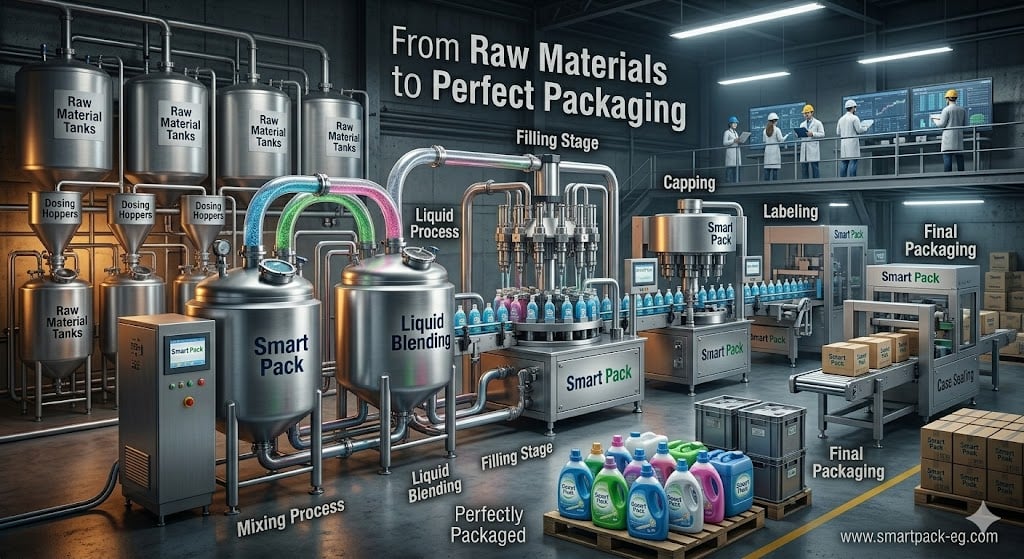
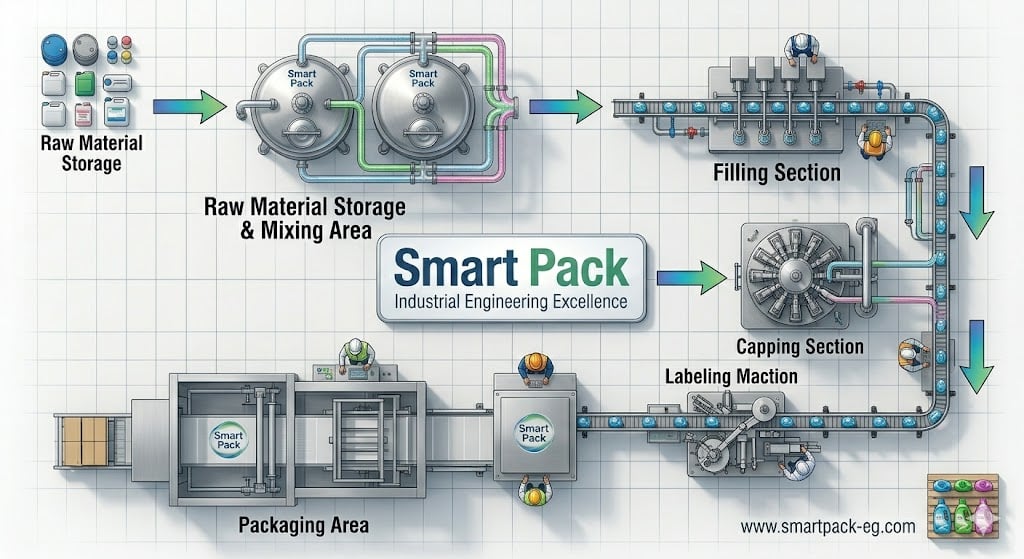
The effectiveness of disinfectants depends not only on formulation, but also on proper packaging, which maintains product stability and safety during storage and use.
Professionally packaged products are safer, easier to use, and more reliable in both homes and facilities.
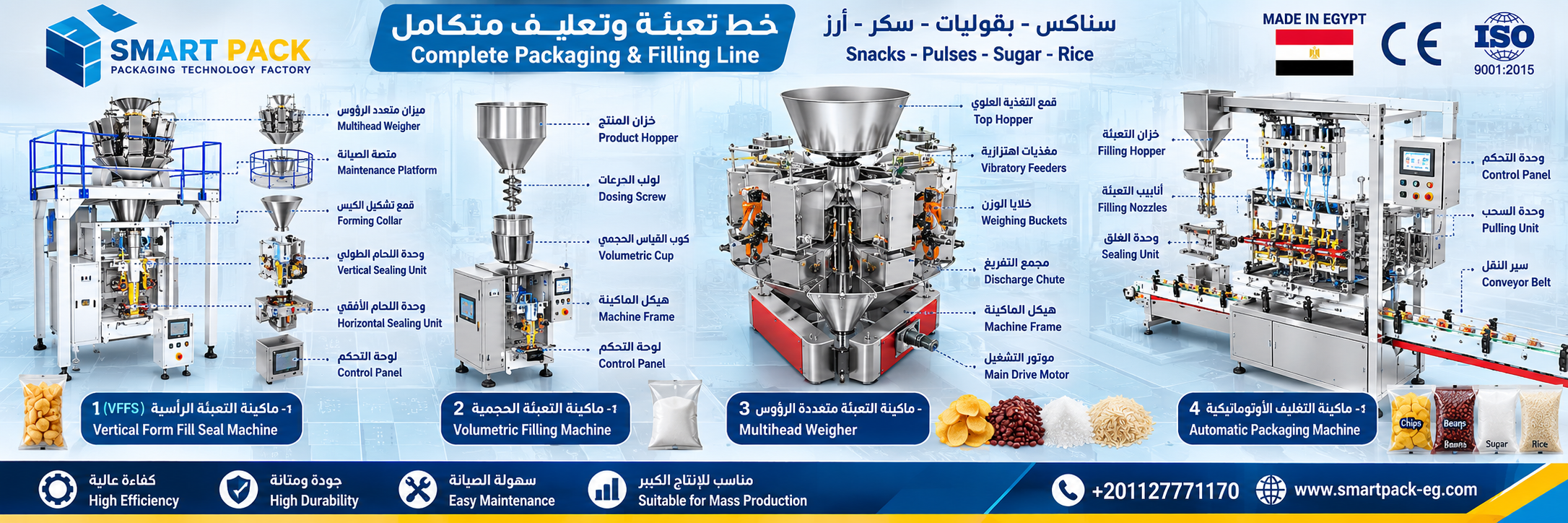
This highlights the importance of precise liquid filling solutions to ensure consistent product quality.
Frequently Asked Questions
What is the safest way to disinfect floors without damage?
Clean thoroughly first, then use a disinfectant suitable for the floor material.
Can the same disinfectant be used for all surfaces?
No. Each surface requires a compatible disinfectant to avoid damage.
How often should high-touch surfaces be disinfected?
Daily, or more frequently depending on usage.
Does packaging affect disinfectant effectiveness?
Yes. Proper packaging preserves stability and performance.
What is the safest way to disinfect furniture?
Use material-specific products and test before full application.
Final Insight
Properly disinfecting floors, surfaces, and furniture is a direct investment in health and safety. Success depends on understanding surface types, choosing the right disinfectants, and applying correct steps without overuse or neglect.
By using high-quality, properly packaged cleaning and disinfectant products, you can achieve the highest level of daily cleanliness with safety and efficiency.