 Admin
Admin Food & Beverage Packaging and Filling Industry
Profitable Production Solutions for Modern Factories
The food and beverage industry is one of the fastest-growing and most stable industrial sectors in the Egyptian market, driven by continuous and rising demand for food products both locally and regionally. This makes investing in professional production, filling, and packaging lines a strategic move for any factory aiming for long-term sustainability and increasing profitability.
Relying on advanced filling and packaging machines is no longer just an operational choice—it has become a decisive factor in improving final product quality, reducing waste, increasing production capacity, and opening strong opportunities for expansion and export.
That is why understanding packaging and filling stages in food and beverage factories, and selecting the right machinery, is essential to achieving maximum efficiency at the lowest long-term cost.
Food & Beverage Filling and Packaging Machines
Smart Investment for Factory Success in Egypt
The Importance of Packaging in Food and Beverage Factories
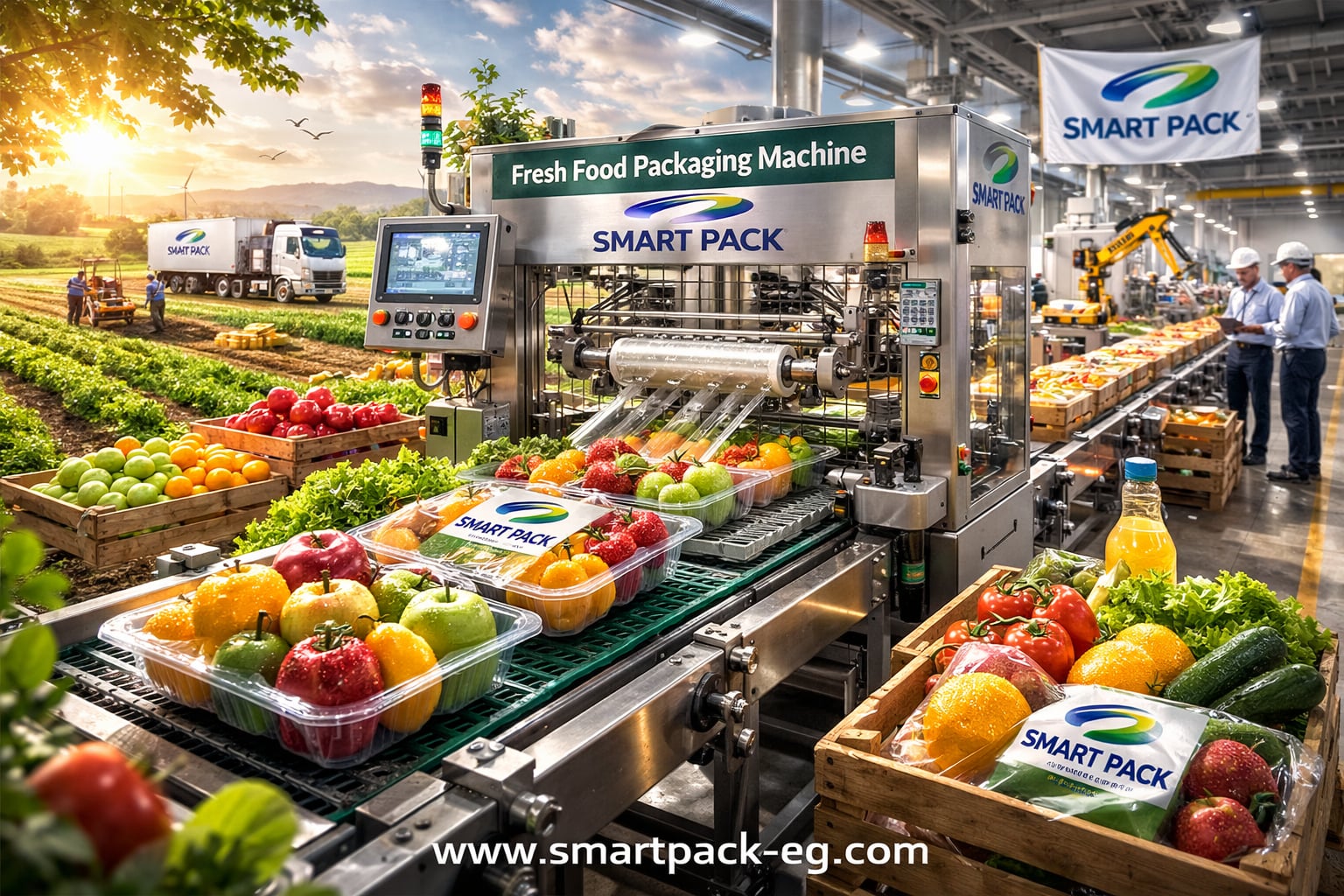
Packaging plays a critical role in the food product lifecycle. It goes far beyond visual appearance—it protects the product, preserves quality, extends shelf life, and facilitates transportation, storage, and marketing.
Factories that rely on modern packaging systems are better able to:
-
Comply with food safety and hygiene standards
-
Reduce waste caused by human error
-
Standardize packaging appearance and strengthen brand image
-
Respond quickly to market demands and production expansion
Core Stages of Filling and Packaging Operations
Filling and packaging processes in food and beverage factories consist of integrated stages, and seamless coordination between them ensures maximum operational efficiency.
Product Preparation
The food or beverage product is prepared according to approved recipes—whether liquid, semi-liquid, or solid—under strict hygiene and quality controls.
Transfer to Filling Units
Products are transferred using conveyors or closed piping systems to prevent contamination and preserve product properties.
Filling Stage
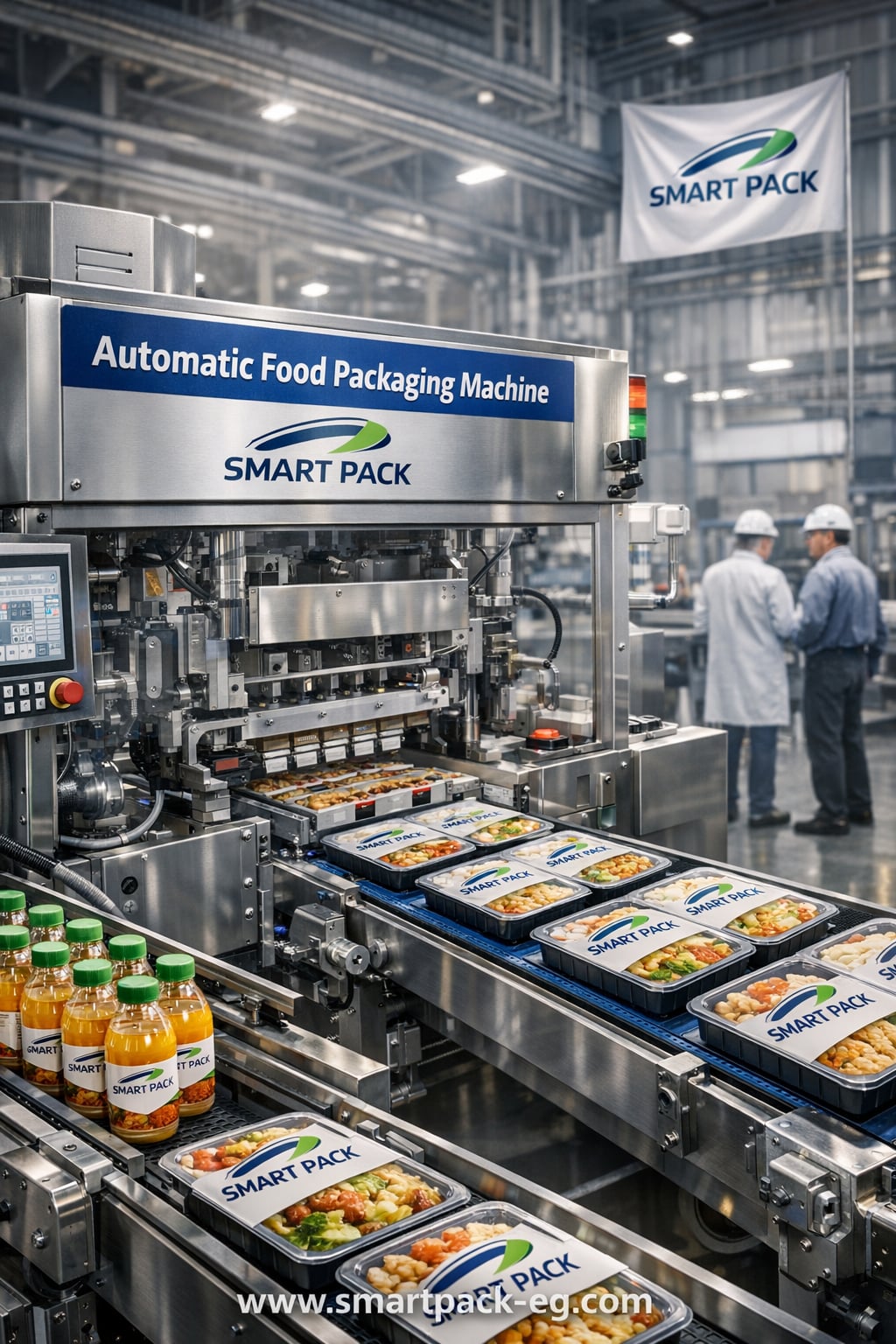
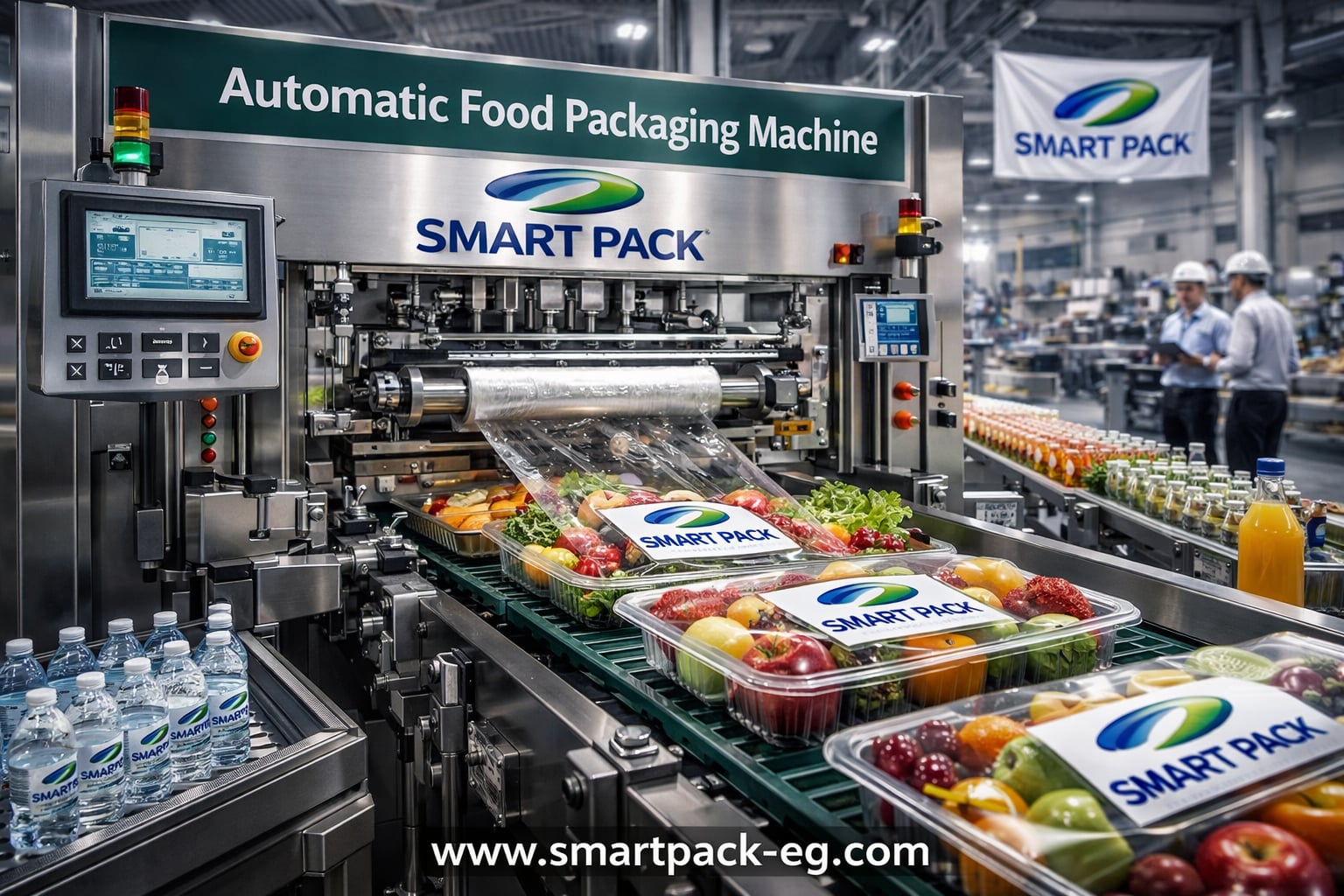
This is the most critical phase, where specialized filling machines accurately fill products into designated containers—glass, plastic, metal, or flexible packaging.
Sealing and Closing
Containers are securely sealed to prevent leakage or air exposure, directly impacting product quality and shelf life.
Final Packaging
Includes labeling, coding, bundling, and packing products into cartons or shipping units for storage or distribution.
Types of Food and Beverage Filling & Packaging Machines
Machine selection depends on product type, production volume, and target market.
Liquid Filling Machines
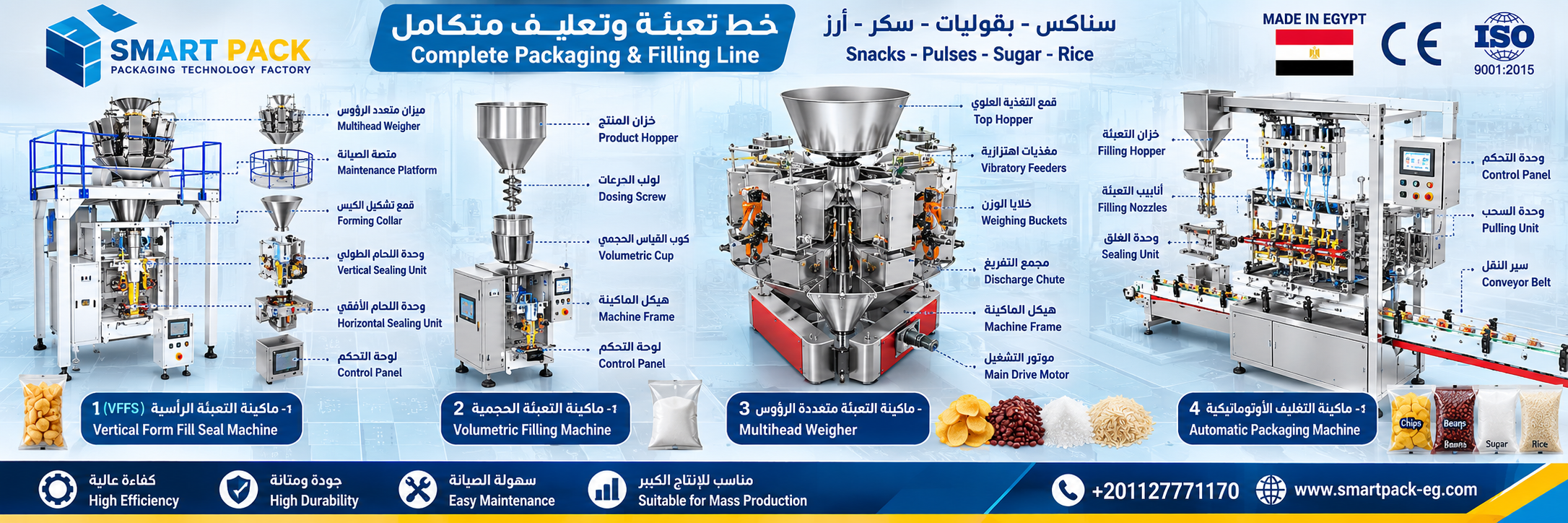
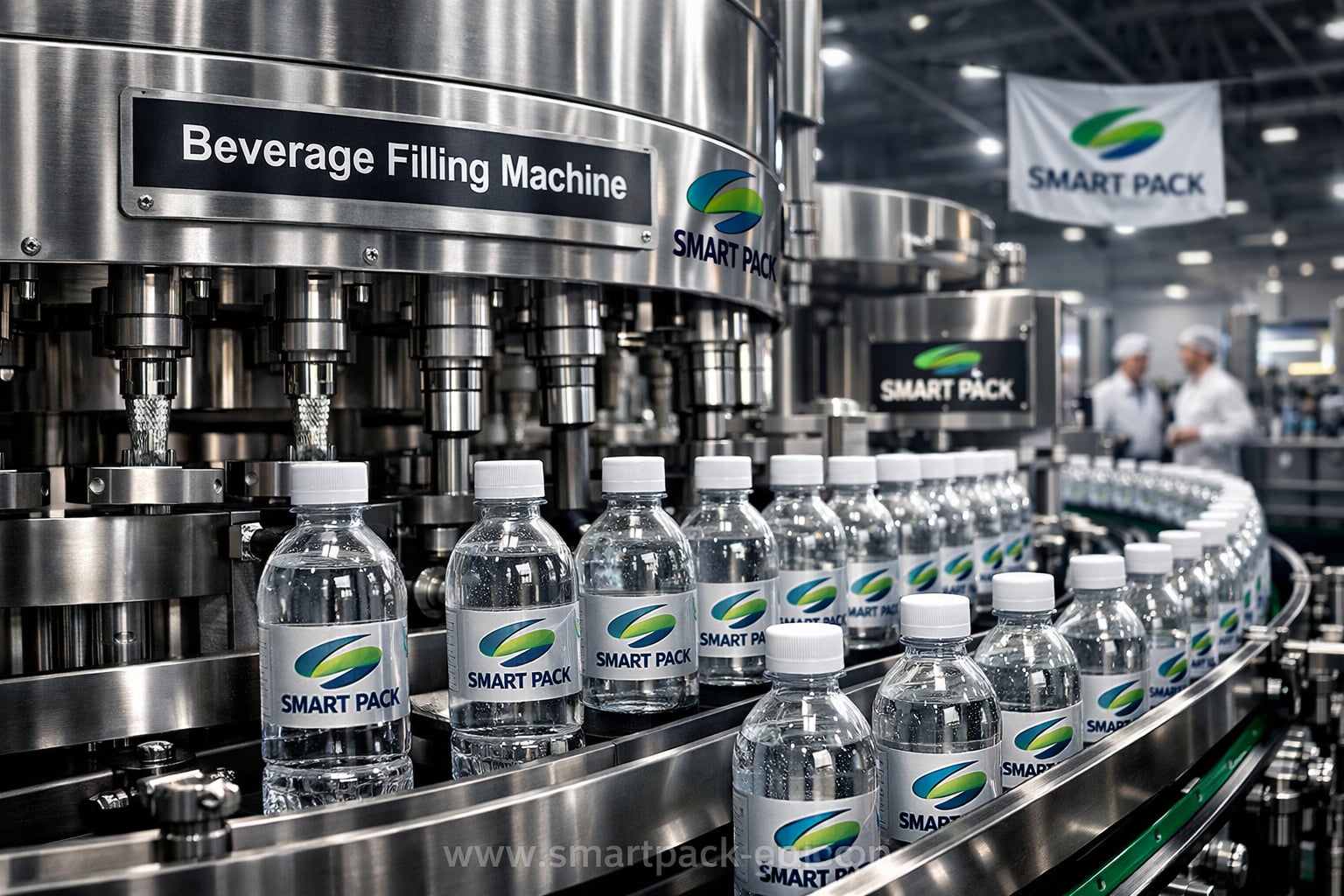
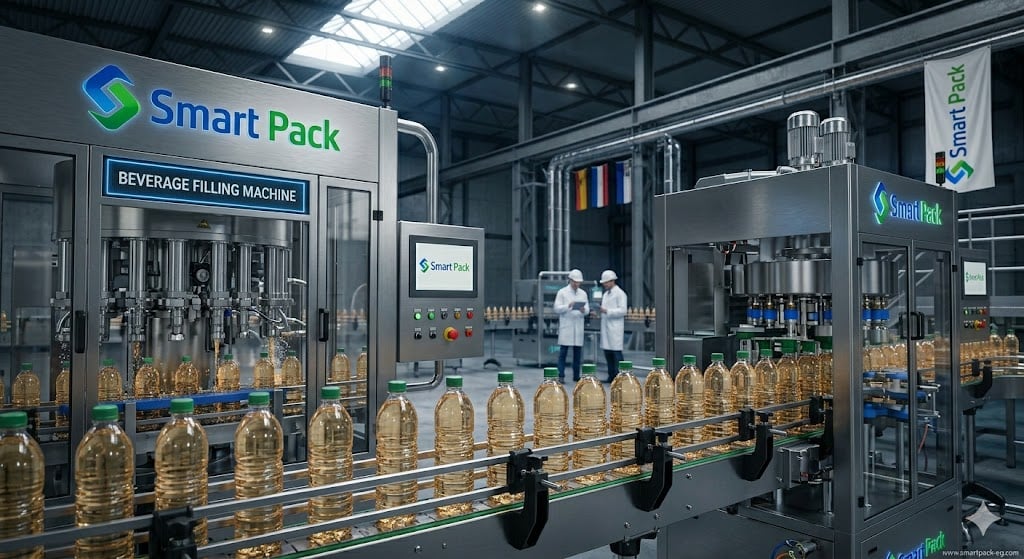
Used for beverages, juices, oils, and sauces, offering high accuracy and variable production speeds for small and large factories.
Semi-Liquid Filling Machines
Designed for yogurt, sauces, honey, and viscous products, using special pumping systems to handle viscosity efficiently.
Solid Product Filling Machines
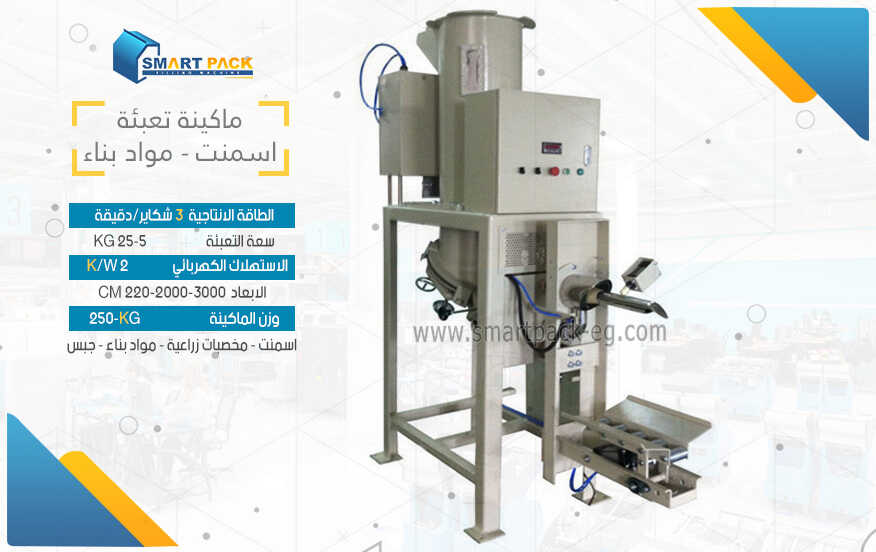
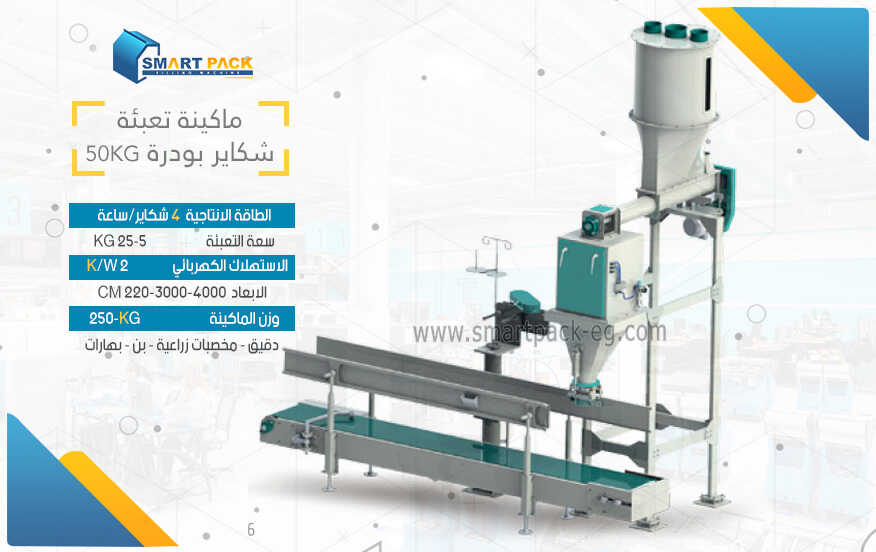
Used for grains, sugar, rice, and pasta, operating with precise weighing systems to meet specifications.
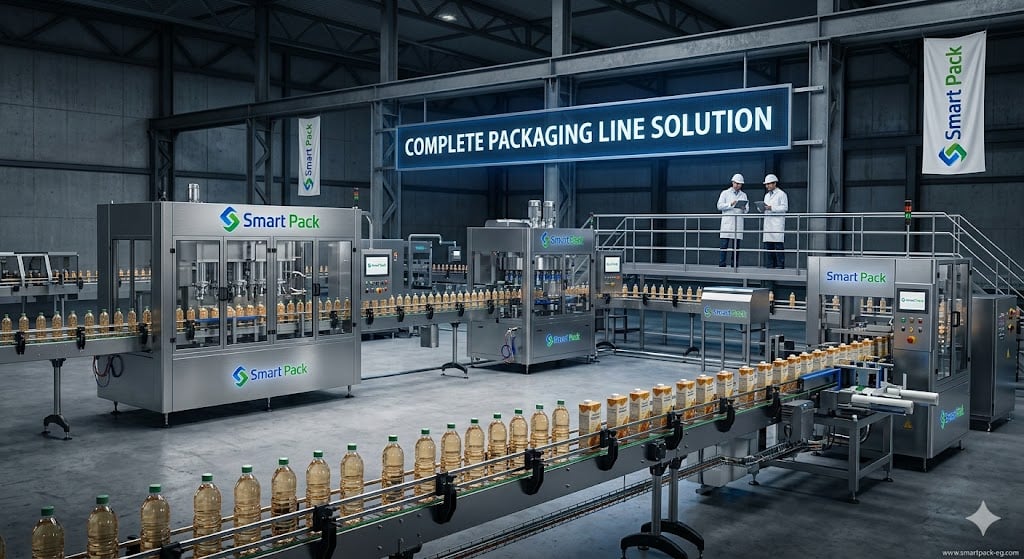
Fully Automatic Integrated Production Lines
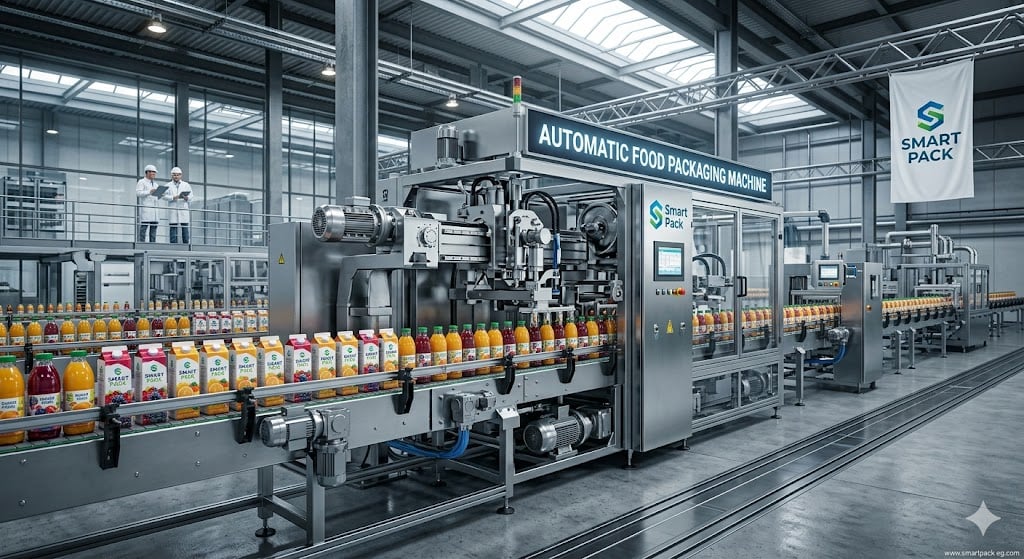
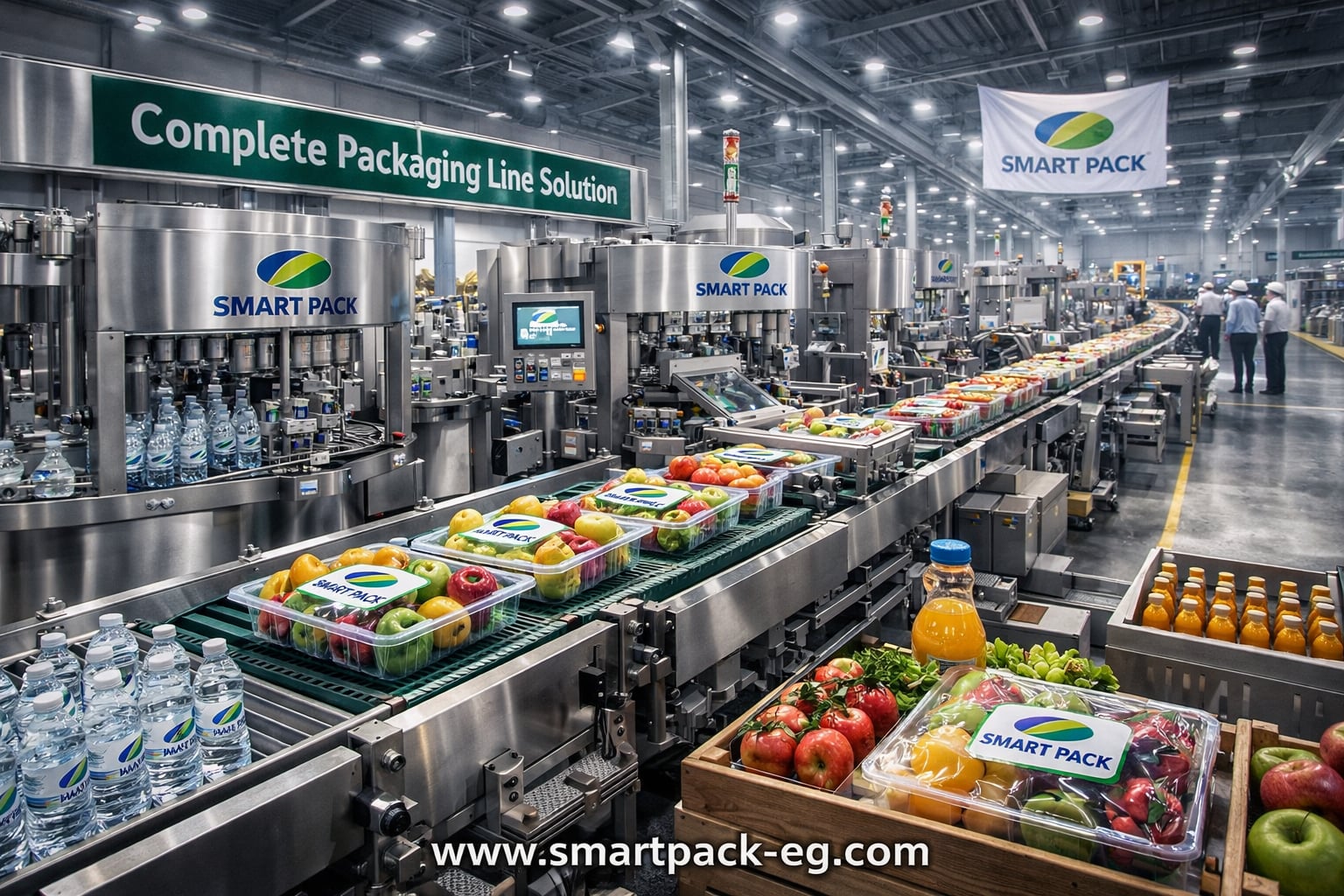
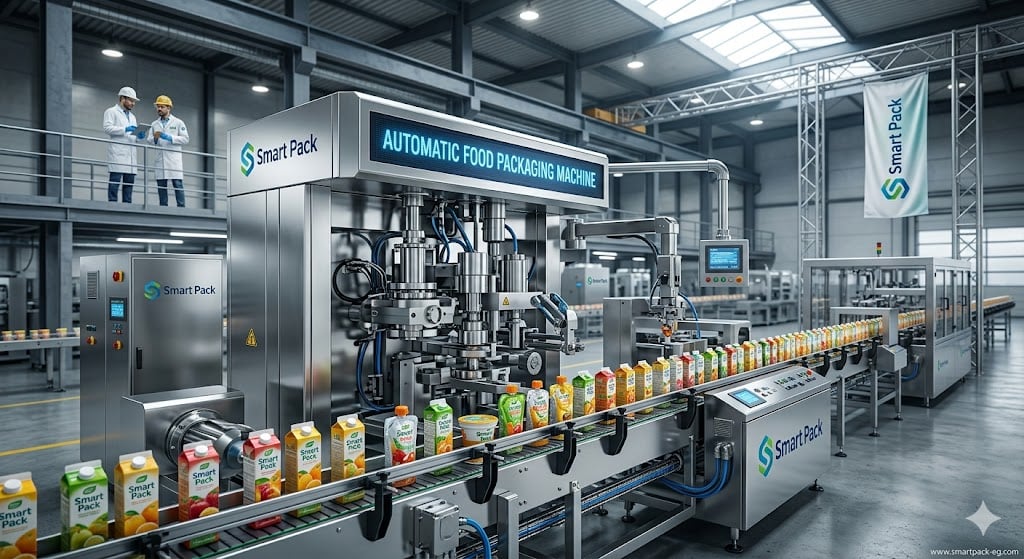
Combine filling, sealing, printing, and final packaging—ideal for factories targeting high-volume production and consistent export.
Comparison of Packaging Systems
| Comparison Factor | Traditional Systems | Semi-Automatic Systems | Fully Automatic Lines |
|---|---|---|---|
| Production Speed | Low | Medium | Very High |
| Filling Accuracy | Limited | Good | Excellent |
| Waste Rate | High | Medium | Very Low |
| Operating Cost | High | Medium | Lowest long-term |
| Export Readiness | Weak | Moderate | Excellent |
How Filling & Packaging Machines Impact Project Profitability
Investing in modern filling and packaging machinery directly increases factory profits by reducing waste, lowering labor costs, and boosting output in less time. This significantly improves profit margins and strengthens market competitiveness.
High-quality packaging also influences consumer purchasing decisions, increasing market acceptance and export potential.
Key Tips Before Purchasing Filling & Packaging Lines
Before making a purchase decision, factory owners should consider:
-
Precisely defining product type and characteristics
-
Analyzing current and future production capacity
-
Ensuring machine quality, easy maintenance, and spare parts availability
-
Choosing a supplier with proven expertise and continuous technical support
This is where Smart Pack plays a vital role by offering integrated food and beverage packaging solutions tailored to factories of all sizes—focusing on efficiency, durability, and ease of operation.
Why Choose Smart Pack for Your Factory?
Smart Pack has extensive experience in designing and manufacturing food and beverage filling and packaging machines that meet local market needs and international export standards. The company provides flexible, customizable solutions based on product type and production scale.
Choosing Smart Pack means gaining:
-
High operational efficiency
-
Accurate filling with minimal waste
-
Strong technical support and after-sales service
-
A long-term investment with sustainable returns
Conclusion
This guide highlights the stages and machinery of food and beverage filling and packaging, demonstrating how an integrated production line can increase factory efficiency, improve product quality, and maximize profitability in the Egyptian market.
If you are planning to upgrade your factory or launch a competitive food production line capable of local and international expansion, selecting the right filling and packaging machinery is the most important step.
Contact the Smart Pack team today for a professional consultation and discover the optimal production line that delivers maximum efficiency and maximum profitability.